Kirjojen hintavertailu. Mukana 12 016 292 kirjaa ja 12 kauppaa.

Kirjahaku

Etsi kirjoja tekijän nimen, kirjan nimen tai ISBN:n perusteella.

2 kirjaa tekijältä Janet Oppenheim

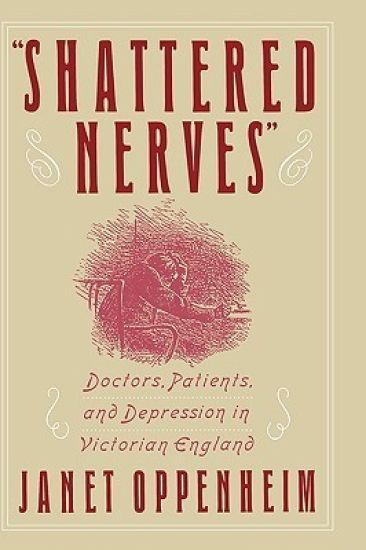
'Shattered Nerves'

'Shattered Nerves'

Janet Oppenheim

Oxford University Press Inc
1991
sidottu
Janet Oppenheim's book explores an illness that figures in nearly every volume of Victorian autobiography, memoirs, diaries, letters, and more than a few novels. Variously described as shattered nerves, nervous collapse, neurasthenia, or nervous breakdown, the illness was the focus of extensive medical discussion during the Victorian and Edwardian decades. Few doctors could decide whether nervous breakdown was a physiological disorder, to be cured by medication, or a moral weakness for which the patient needed psychiatric care. Oppenheim uses the letters, diaries, and autobiographies of men and women who suffered breakdowns, examines medical archives, published scientific sources, and contemporary fiction, in which the `nervous type' was so familiar as to border on caricature. Shattered Nerves places a puzzling medical problem in its full social, cultural, and intellectual context.
The Other World

The Other World

Janet Oppenheim

Cambridge University Press
1988
pokkari
The Other World examines the public fascination with spiritualism and psychical research in Britain from the mid-nineteenth to the early twentieth century. It explores the variety of social background, education, and professional expertise that characterized the men and women who attended séances and investigated psychic phenomena, and it places them in the context of their times without ridiculing their beliefs. It is not concerned with the question of whether psychic phenomena are ‘real’, but rather attempts to understand the reasons why artisans, intellectuals, and aristocrats alike embraced spiritualism as a surrogate religion or endorsed psychical research as the science of the future. Whether self-educated workers, medical doctors, clergymen, housewives, university professors, journalists, comparative psychologists, or Nobel prize-winning physicists, they cannot be dismissed as cranks and eccentrics. Their efforts to mediate between the demands of science and the comforts of faith reflected anxieties central to the Victorian and Edwardian decades.