Kirjojen hintavertailu. Mukana 11 514 481 kirjaa ja 12 kauppaa.

Kirjahaku

Etsi kirjoja tekijän nimen, kirjan nimen tai ISBN:n perusteella.

3 kirjaa tekijältä Jared C. Calaway

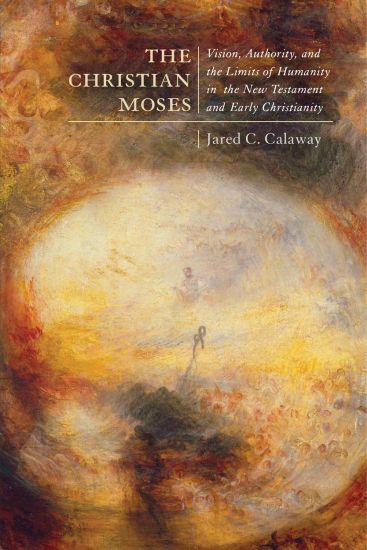
The Christian Moses

The Christian Moses

Jared C. Calaway

McGill-Queen's University Press
2019
sidottu
Two verses about Moses in the Bible have been the subject of debate since the first century. In Exodus 33:20, God tells Moses that no one can see God and live, but Numbers 12:8 says that Moses sees the form of the Lord. How does one reconcile these two opposing statements? Did Moses see God, and who gets to decide? The Christian Moses investigates how ancient Christians from the New Testament to Augustine of Hippo resolved questions of who can see God, how one can see God, and what precisely one sees. Jared Calaway explains that the decision about whether and how Moses saw God was not a neutral exercise for an early Christian. Rather, it established the interpreter's authority to determine what was possible in divine-human relations and set the parameters for the nature of humanity. As a result, Calaway argues, interpretations of Moses' visions became a means for Jews and Christians to jockey for power, allowing them to justify particular social arrangements, relations, and identities, to assert the limits of humans in the face of divinity, and to create an Other. Seeing early Christians with new eyes, The Christian Moses reassesses how debates on Moses' visions from the first through the fifth centuries were, in reality, debates on the boundaries of humanity.
The Christian Moses

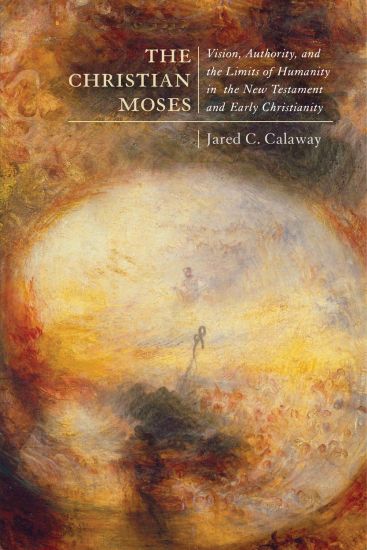
The Christian Moses

Jared C. Calaway

McGill-Queen's University Press
2019
nidottu
Two verses about Moses in the Bible have been the subject of debate since the first century. In Exodus 33:20, God tells Moses that no one can see God and live, but Numbers 12:8 says that Moses sees the form of the Lord. How does one reconcile these two opposing statements? Did Moses see God, and who gets to decide? The Christian Moses investigates how ancient Christians from the New Testament to Augustine of Hippo resolved questions of who can see God, how one can see God, and what precisely one sees. Jared Calaway explains that the decision about whether and how Moses saw God was not a neutral exercise for an early Christian. Rather, it established the interpreter's authority to determine what was possible in divine-human relations and set the parameters for the nature of humanity. As a result, Calaway argues, interpretations of Moses' visions became a means for Jews and Christians to jockey for power, allowing them to justify particular social arrangements, relations, and identities, to assert the limits of humans in the face of divinity, and to create an Other. Seeing early Christians with new eyes, The Christian Moses reassesses how debates on Moses' visions from the first through the fifth centuries were, in reality, debates on the boundaries of humanity.
The Sabbath and the Sanctuary

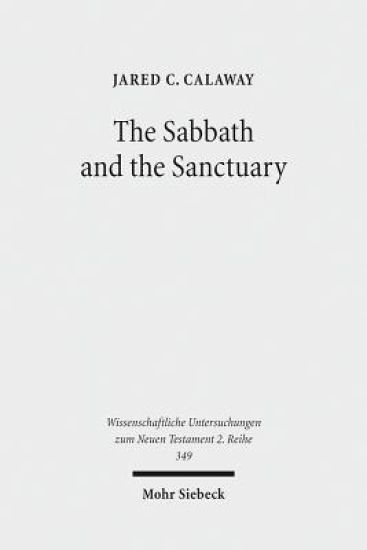
The Sabbath and the Sanctuary

Jared C. Calaway

Mohr Siebeck
2013
nidottu
Who can enter the sacred and heavenly presence of God? And how? Various ancient Jewish and emergent Christian groups disputed these questions in the first century CE. Jared C. Calaway states that the Letter to the Hebrews joined this debate by engaging and countering priestly frameworks of sacred access that aligned the Sabbath with the sanctuary. From the Hebrew Bible through late Second Temple Judaism, the sanctity of the sanctuary could be experienced through the Sabbath, sacred space through sacred time. In its sweeping vistas of Sabbath rest and the heavenly homeland, the heavenly sanctuary and the coming age, and the heavenly priesthood, Hebrews reworked this priestly framework, showing familiarity with its traditional and contemporary forms, such as the "Songs of the Sabbath Sacrifice". In a manner resembling postwar layers of the emergent Christian tradition, instead of entering God's sacred and heavenly Presence through the weekly Sabbath, one could only experience the heavenly realities of the Sabbath and the sanctuary through faithfulness and obedience to Jesus, the faithful and obedient heavenly high priest who purifies, sanctifies, and perfects.