Kirjojen hintavertailu. Mukana 11 342 296 kirjaa ja 12 kauppaa.

Kirjahaku

Etsi kirjoja tekijän nimen, kirjan nimen tai ISBN:n perusteella.

2 kirjaa tekijältä Jason Crawford

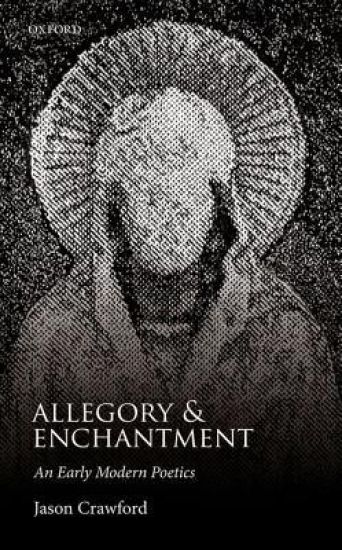
Allegory and Enchantment

Allegory and Enchantment

Jason Crawford

Oxford University Press
2017
sidottu
What is modernity? Where are modernitys points of origin? Where are its boundaries? And what lies beyond those boundaries? Allegory and Enchantment explores these broad questions by considering the work of English writers at the threshold of modernity, and by considering,in particular, the cultural forms these writers want to leave behind. From the fourteenth to the seventeenth centuries, many English writers fashion themselves as engaged in breaking away from an array of old idols: magic, superstition, tradition, the sacramental, the medieval. Many of these writers persistently use metaphors of disenchantment, of awakening from a broken spell, to describe their self-consciously modern orientation toward a medieval past. And many of them associate that repudiated past with the dynamics and conventions of allegory. In the hands of the major English practitioners of allegorical narrativeWilliam Langland, John Skelton, Edmund Spenser, and John Bunyanallegory shows signs of strain and disintegration. The work of these writers seems to suggest a story of modern emergence in which medieval allegory, with its search for divine order in the material world, breaks down under the pressure of modern disenchantment. But these four early modern writers also make possible other understandings of modernity. Each of them turns to allegory as a central organizing principle for his most ambitious poetic projects. Each discovers in the ancient forms of allegory a vital, powerful instrument of disenchantment. Each of them, therefore, opens up surprising possibilities: that allegory and modernity are inescapably linked; that the story of modern emergence is much older than the early modern period; and that the things modernity has tried to repudiatethe old enchantmentsare not as alien, or as absent, as they seem.
God's Fools

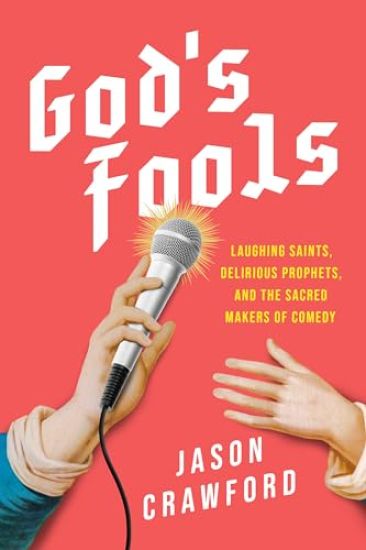
God's Fools

Jason Crawford

GLOBE PEQUOT PRESS
2025
sidottu
From the self-abasements of Charlie Chaplin and Lenny Bruce’s provocations to the present-day culture warring over figures like Dave Chappelle and Hannah Gadsby, comedians have always been not simply entertainers, but charismatic observers of (and participants in) social anxieties and pathologies. Performers as varied as Mort Sahl, Richard Pryor, Margaret Cho, and Louis CK have courted both devotion and outrage at various points in their careers, as they cavort at the outer extremities of taboo, good taste, and received opinion.In God’s Fools:Laughing Saints, Delirious Prophets, and the Sacred Makers of Comedy religion and literature scholar Jason Crawford gives a penetrating and surprising look at the social role that comedians play by placing them in their proper historical lineage—one that begins not with vaudeville and minstrelry but with the mystics, martyrs, and misfits of the premodern Judeo-Christian world. In Crawford’s expansive account, comedians like Chaplin and Chappelle mingle with such motley historical figures as St. Francis of Assisi, the first-century rabbi Akiba, and the Shakespearean collaborator Robert Armin. In lively and memorable character sketches, Crawford reveals the compelling through-lines that connect these figures to modern comedians, showing how, they attract devotion as exemplars of bad behavior—of a shabbiness transfigured by mystical insight—and act as lightning rods for rejection and punishment during times of deep cultural division.