Kirjojen hintavertailu. Mukana 11 244 527 kirjaa ja 12 kauppaa.

Kirjahaku

Etsi kirjoja tekijän nimen, kirjan nimen tai ISBN:n perusteella.

4 kirjaa tekijältä Jason M. Barr

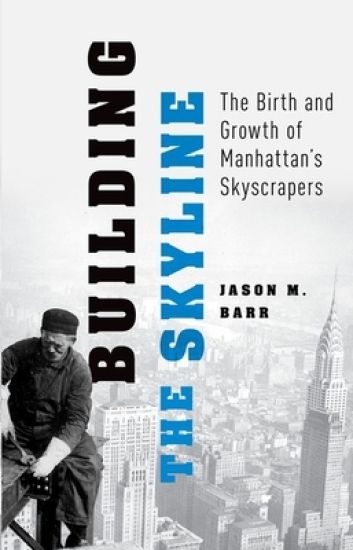
Building the Skyline

Building the Skyline

Jason M. Barr

Oxford University Press Inc
2018
nidottu
The Manhattan skyline is one of the great wonders of the modern world. In Building the Skyline, Jason Barr chronicles the history of the Manhattan skyscrapers and provides insights into the economic forces that have created its distinctive and iconic panorama. Bedrock is Manhattan's natural and geological history, which influenced early land use and the development of neighborhoods, including the dense tenement neighborhoods of Five Points and the Lower East Side. Barr sheds light on why skyscrapers emerged downtown and why they appeared three miles to the north in midtown--but not in between the two areas-and debunks myths that geology was the cause. Rather, the patterns of skyscraper construction reflected economic and demographic forces at the time, which in turn influenced subsequent developments. As the first rigorous investigation of innovative ways to accommodate as many people as possible on the same location, Building the Skyline is an important contribution to understanding the growth and life of cities.
Building the Skyline

Building the Skyline

Jason M. Barr

Oxford University Press Inc
2016
sidottu
The Manhattan skyline is one of the great wonders of the modern world. But how and why did it form? Much has been written about the city's architecture and its general history, but little work has explored the economic forces that created the skyline. This book chronicles the economic history of the Manhattan skyline. In the process, the book debunks some widely-held misconceptions about the city's history. Part I lays out the historical and environmental background that established Manhattan's real estate trajectory before the Skyscraper Revolution at the end of the 19th century. The book begins with Manhattan's natural and geological history and then moves on to how it influenced early land use and neighborhood formation, and how these early decisions eventually impacted the location of skyscrapers. Part II focuses specifically on the economic history of skyscrapers and the skyline, investigating the reasons for their heights, frequencies, locations, and shapes. The book discusses why skyscrapers emerged downtown and why they appeared three miles to the north in midtown, but not in between. Contrary to popular belief it was not due to the depths of Manhattan's bedrock, nor the presence of Grand Central Station. Rather midtown's emergence was a response to the economic and demographic forces that were taking place north of 14th Street after the Civil War. The book also presents the first rigorous investigation of the causes of the building boom during the Roaring Twenties. Contrary to conventional wisdom, the boom was largely a rational response to the economic growth of the nation and city. The last chapter investigates the value of Manhattan Island and the relationship between skyscrapers and land prices. Finally, an Epilogue offers policy recommendations for a resilient and robust future skyline.
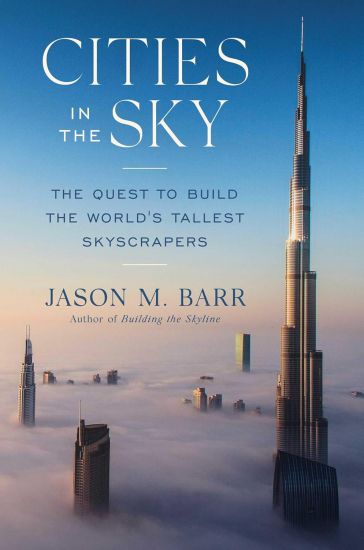
Cities in the Sky

Cities in the Sky

Jason M. Barr

SIMON SCHUSTER
2024
sidottu
From one of the world’s top experts on the economics of skyscrapers—a fascinating account of the ever-growing quest for super tall buildings across the globe.The world’s skyscrapers have brought us awe and wonder, and yet they remain controversial—for their high costs, shadows, and overt grandiosity. But, decade by decade, they keep getting higher and higher. What is driving this global building spree of epic proportions? In Cities in the Sky, author Jason Barr explains all: why they appeal to cities and nations, how they get financed, why they succeed economically, and how they change a city’s skyline and enable the world’s greatest metropolises to thrive in the 21st century. From the Empire State Building (1,250 feet) to the Shanghai Tower (2,073 feet) and everywhere in between, Barr explains the unique architectural and engineering efforts that led to the creation of each. Along the way, Barr visits and unpacks some surprising myths about the earliest skyscrapers and the growth of American skylines after World War II, which incorporated a new suite of technologies that spread to the rest of the world in the 1990s. Barr also explores why London banned skyscrapers at the end of the 19th century but then embraced them in the 21st and explains how Hong Kong created the densest cluster of skyscrapers on the planet. Also covered is the dramatic result of China’s “skyscraper fever” and then on to the Arabian Peninsula to see what drove Dubai to build the world’s tallest building, the Burj Khalifa, which at 2,717 feet, is higher than the new One World Trade Center in New York by three football fields. Filled with fascinating details for urbanists, architecture buffs, and urban design enthusiasts alike, Cities in the Sky addresses the good, bad, and ugly for cities that have embraced vertical skylines and offers us a glimpse to the future to see whether cities around the world will continue their journey ever upwards.
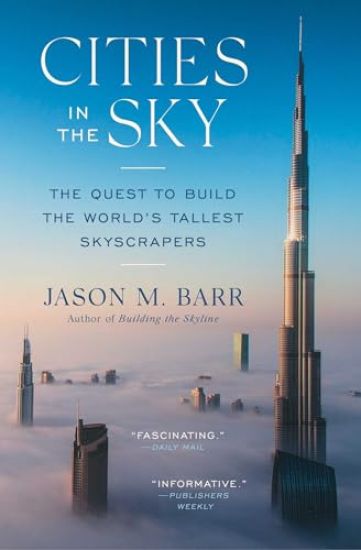
Cities in the Sky

Cities in the Sky

Jason M. Barr

SIMON SCHUSTER
2025
pokkari
From one of the world’s top experts on the economics of skyscrapers—a “fascinating” (Daily Mail, London) and “informative” (Publishers Weekly) account of the ever-growing quest for super tall buildings across the globe.The world’s skyscrapers have brought us awe and wonder, and yet they remain controversial—for their high costs, shadows, and overt grandiosity. But, decade by decade, they keep getting higher and higher. What is driving this global building spree of epic proportions? In Cities in the Sky, author Jason Barr “provides an enjoyable, expansive study of a subject he loves” (Kirkus Reviews), explaining why they appeal to cities and nations, how they get financed, why they succeed economically, and how they change a city’s skyline and enable the world’s greatest metropolises to thrive in the 21st century. From the Empire State Building (1,250 feet) to the Shanghai Tower (2,073 feet) and everywhere in between, Barr explains the unique architectural and engineering efforts that led to the creation of each structure. Along the way, he visits and unpacks some surprising myths about the earliest skyscrapers and the growth of American skylines after World War II, which incorporated a new suite of technologies that spread to the rest of the world in the 1990s. Barr also explores why London banned skyscrapers at the end of the 19th century but then embraced them in the 21st and explains how Hong Kong created the densest cluster of skyscrapers on the planet. Also covered is the dramatic result of China’s “skyscraper fever” and then on to the Arabian Peninsula to see what drove Dubai to build the world’s tallest building, the Burj Khalifa, which at 2,717 feet, is higher than the new One World Trade Center in New York by three football fields. Filled with fascinating details for urbanists, architecture buffs, and urban design enthusiasts alike, Cities in the Sky “masterfully weaves together the history, myths, economics, and engineering behind the most iconic structures across the world’s skylines” to showcase “the ambition, ingenuity, and vision that encourage us to build higher and bolder” (Grady Hillhouse, creator of Practical Engineering).