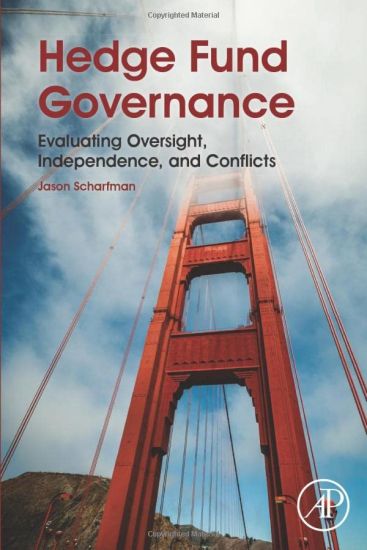
Hedge Fund Governance: Evaluating Oversight, Independence and Conflicts summarizes the fundamental elements of hedge fund governance and principal perspectives on governance arguments. An authoritative reference on governance, it describes the tools needed for developing a flexible, comprehensive hedge fund governance analysis framework. Case studies and interviews with professional fund directors shine a bright light of pragmatism on this framework. The author’s global analysis of more than 5,000 hedge fund governance structures enables him to draw realistic conclusions about best practices. He also explores the value consequences of good vs. bad governance, estimating the actual dollar losses that can result from bad governance, as well as the operational and investment performance benefits of certain governance practices.
Alternative investments such as hedge funds, private equity, and fund of funds continue to be of strong interest among the investment community. As these investment strategies have become increasingly complex, fund managers have continued to devote more time and resources towards developing best practice operations to support the actual trade processing, fund accounting, and back-office mechanics that allow these strategies to function. Representative of this operational growth, estimates have indicated that fund managers have seen increased operating budgets of 30% or more in recent years.In today’s highly regulated environment, alternative investment managers have also increasingly had to integrate rigorous compliance and cybersecurity oversight into fund operations. Additionally, with recent advances in artificial intelligence and big data analysis, fund managers are devoting larger portions of their information technology budgets towards realizing technology-based operational efficiencies. Alternative investment fund service providers have also substantially increased their scope and breadth of their operations-related services. Furthermore, investors are increasingly performing deep-dive due diligence on fund manager operations at both fund level and management company levels.This book provides current and practical guidance on the foundations of how alternative investment managers build and manage their operations. While other publications have focused on generalized overviews of historical trading procedures across multiple asset classes, and the technical intricacies of specific legacy operational procedures, Alternative Investment Operations will be the first book to focus on explaining up-to-date information on the specific real-world operational practices actually employed by alternative investment managers. This book will focus on how to actually establish and manage fund operations. Alternative Investment Operationswill be an invaluable up-to-date resource for fund managers and their operations personnel as well as investors and service providers on the implementation and management of best practice operations.
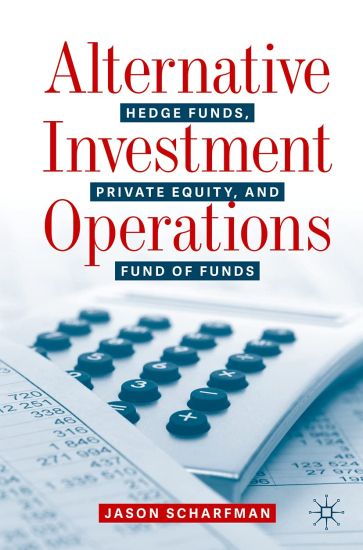
Alternative investments such as hedge funds, private equity, and fund of funds continue to be of strong interest among the investment community. As these investment strategies have become increasingly complex, fund managers have continued to devote more time and resources towards developing best practice operations to support the actual trade processing, fund accounting, and back-office mechanics that allow these strategies to function. Representative of this operational growth, estimates have indicated that fund managers have seen increased operating budgets of 30% or more in recent years.In today’s highly regulated environment, alternative investment managers have also increasingly had to integrate rigorous compliance and cybersecurity oversight into fund operations. Additionally, with recent advances in artificial intelligence and big data analysis, fund managers are devoting larger portions of their information technology budgets towards realizing technology-based operational efficiencies. Alternative investment fund service providers have also substantially increased their scope and breadth of their operations-related services. Furthermore, investors are increasingly performing deep-dive due diligence on fund manager operations at both fund level and management company levels.This book provides current and practical guidance on the foundations of how alternative investment managers build and manage their operations. While other publications have focused on generalized overviews of historical trading procedures across multiple asset classes, and the technical intricacies of specific legacy operational procedures, Alternative Investment Operations will be the first book to focus on explaining up-to-date information on the specific real-world operational practices actually employed by alternative investment managers. This book will focus on how to actually establish and manage fund operations. Alternative Investment Operationswill be an invaluable up-to-date resource for fund managers and their operations personnel as well as investors and service providers on the implementation and management of best practice operations.
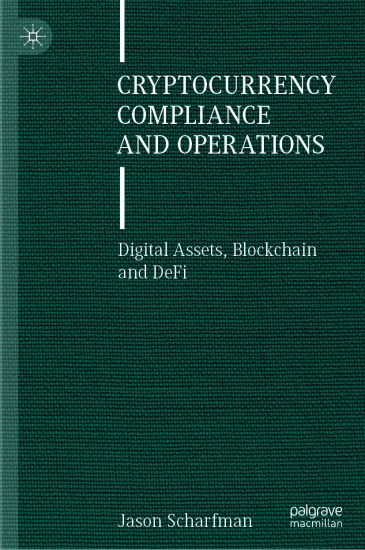
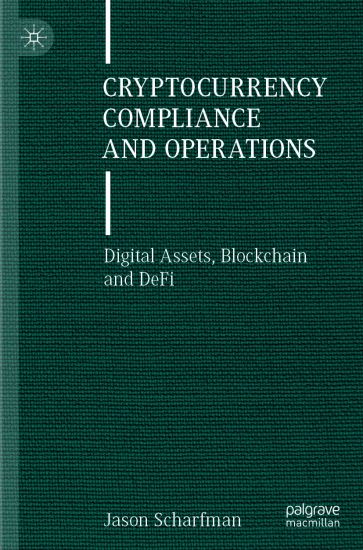
Cryptocurrencies and digital assets are increasingly garnering interest from institutional investors. This is on top of the already strong support in place for cryptocurrencies such as Bitcoin from the retail investor. With this rapid growth has come a series of complex operational and regulatory compliance challenges. These challenges have become further exacerbated by the increasing pace of technological advances in areas such as decentralized finance (DeFi) tokenization, blockchain and distributed ledger technology (DLT) essential to the crypto and digital asset markets. This book will be the first book to provide current and practical guidance on the operational and compliance foundations of crypto investing and asset management. The book will include: · Step-by-step analysis of the modern operational mechanics behind cryptocurrency investment operations · Detailed guidance and example documentation on the procedures launching a crypto fund · Explanation of the operational procedures and compliance requirements for crytpo asset managers · Detailed analysis of crypto anti-money laundering compliance, regulations and laws for cryptocurrencies · Up-to-date analysis of recent crypto case studies, frauds and regulatory enforcement actions · Review of the digital asset landscape including non-fungible tokens (NFTs) and asset tokenization · Current examples of real-world crypto operations policies and compliance manuals · Analysis of the emerging trends in crypto operations and compliance in areas including blockchain, DeFi,crypto lending, yield farming, crypto mining and dApps Cryptocurrency Compliance and Operations will be an invaluable up-to-date resource for investors, fund managers, and their operations and compliance personnel as well as service providers on the implementation and management of best practice operations.?
Cryptocurrencies and digital assets are increasingly garnering interest from institutional investors. This is on top of the already strong support in place for cryptocurrencies such as Bitcoin from the retail investor. With this rapid growth has come a series of complex operational and regulatory compliance challenges. These challenges have become further exacerbated by the increasing pace of technological advances in areas such as decentralized finance (DeFi) tokenization, blockchain and distributed ledger technology (DLT) essential to the crypto and digital asset markets. This book will be the first book to provide current and practical guidance on the operational and compliance foundations of crypto investing and asset management. The book will include: · Step-by-step analysis of the modern operational mechanics behind cryptocurrency investment operations · Detailed guidance and example documentation on the procedures launching a crypto fund · Explanation of the operational procedures and compliance requirements for crytpo asset managers · Detailed analysis of crypto anti-money laundering compliance, regulations and laws for cryptocurrencies · Up-to-date analysis of recent crypto case studies, frauds and regulatory enforcement actions · Review of the digital asset landscape including non-fungible tokens (NFTs) and asset tokenization · Current examples of real-world crypto operations policies and compliance manuals · Analysis of the emerging trends in crypto operations and compliance in areas including blockchain, DeFi,crypto lending, yield farming, crypto mining and dApps Cryptocurrency Compliance and Operations will be an invaluable up-to-date resource for investors, fund managers, and their operations and compliance personnel as well as service providers on the implementation and management of best practice operations.?
Cryptocurrencies and digital assets have continued to gain widespread acceptance from both retail and institutional investors. With this rapid growth in both the crypto and digital asset spaces, there has also been an unfortunate steady drumbeat of fraudulent activity. It has been reported that in 2021 alone over $14 billion in crypto was stolen from investors. Frauds have touched all aspects of the crypto universe ranging from outright Bitcoin theft, pig butchering, and wallet phising to DeFi rug pulls, exchange hacks, mining scams and NFT fraud. The Cryptocurrency and Digital Asset Fraud Casebook will provide up to date information and analysis on fraudulent activity in the crypto space.
Cryptocurrencies and digital assets have continued to gain widespread acceptance from both retail and institutional investors. With this rapid growth in both the crypto and digital asset spaces, there has also been an unfortunate steady drumbeat of fraudulent activity. It has been reported that in 2021 alone over $14 billion in crypto was stolen from investors. Frauds have touched all aspects of the crypto universe ranging from outright Bitcoin theft, pig butchering, and wallet phising to DeFi rug pulls, exchange hacks, mining scams and NFT fraud. The Cryptocurrency and Digital Asset Fraud Casebook will provide up to date information and analysis on fraudulent activity in the crypto space.
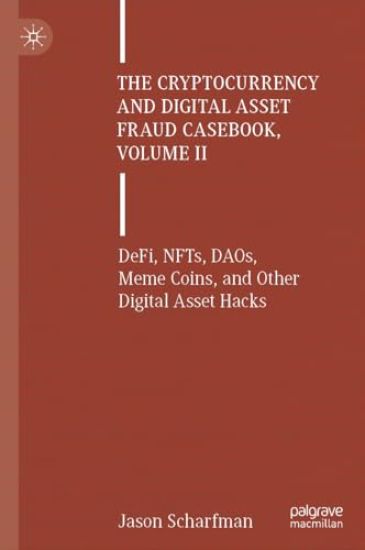
Cryptocurrencies and digital assets have continued to gain widespread acceptance from both retail and institutional investors. As part of this continued growth, there has been an unfortunate series of ongoing and increasingly sophisticated frauds, Ponzi schemes, and hacks that have cost investors billions of dollars. Since the publication of the original Cryptocurrency and Digital Asset Fraud Casebook, conservative estimates indicate that there have been thousands of new digital asset fraud cases that have contributed to billions in broadening losses in space. Beyond the digital asset space, cryptocurrency-related scams also continue to present increasingly meaningful threats to traditional finance institutions, the global economy, and national security, as well. These new challenges, combined with the ongoing evolving regulatory environment for digital assets, create an environment where there is a continued need for the up-to-date information and analysis of real-world case studies. It includes an up-to-date analysis of recent case studies in cryptocurrency and digital asset fraud alongside an analysis of recent decentralized finance (DeFi) hacks, smart contract attacks, and rug pulls. This book reviews the impact of digital asset bankruptcies, the FTX fraud, and the industry-wide post-FTX fallout on the growth of cryptocurrency fraud. It also examines the explosive growth of cryptocurrency romance scams, pig butchering, and related organized crime money laundering efforts and includes a related exclusive case study. Offering an in-depth examination of digital asset frauds in the gaming, metaverse, and NFT spaces, it also covers Decentralized Autonomous Organization (DAO) fraud, smart contract attacks, dApp scams, crypto asset manager investment fraud, mining fraud, honeypots, meme coins, and artificial intelligence-based digital asset fraud. Leveraging the author’s experience analyzing and implementing compliance and operations best practices with a variety of cryptocurrency and digital asset projects and consulting with international regulators on blockchain and digital asset policy, this book will be of interest to those working throughout the cryptocurrency and digital asset space including Web 3.0 builders and service providers including lawyers, auditors, blockchain infrastructure, regulators, governments, retail investors, and institutional investors.
Cryptocurrencies and digital assets have continued to gain widespread acceptance from both retail and institutional investors. Alongside this rapid growth, the digital ecosystem remains plagued by bad actors who prey on the space. These range from state-sponsored North Korean hacker groups, Russian ransomware gangs, multinational organized criminal enterprises to lower-level Chinese gangsters and run of the mill romance scammers. These criminals indiscriminately target victims across all demographics. Furthermore, cryptocurrency-related scams continue to present increasingly significant threats to institutions and national security. Since the publication of The Cryptocurrency and Digital Asset Fraud Casebook volumes I and II, scammers have only intensified the sophistication and scope of their attacks. This evolving threat landscape, coupled with a rapidly changing regulatory environment, underscores the ongoing need for up-to-date information and analysis. The Cryptocurrency and Digital Asset Fraud Casebook, Volume III: Exchange Hacks, Deepfakes, Social Media, and Artificial Intelligence Scams is essential reading for anyone seeking the latest insights into fraudulent activity within the cryptocurrency and digital asset space.
Cryptocurrencies and digital assets have continued to gain widespread acceptance from both retail and institutional investors. As part of this continued growth, there has been an unfortunate series of ongoing and increasingly sophisticated frauds, Ponzi schemes, and hacks that have cost investors billions of dollars. Since the publication of the original Cryptocurrency and Digital Asset Fraud Casebook, conservative estimates indicate that there have been thousands of new digital asset fraud cases that have contributed to billions in broadening losses in space. Beyond the digital asset space, cryptocurrency-related scams also continue to present increasingly meaningful threats to traditional finance institutions, the global economy, and national security, as well. These new challenges, combined with the ongoing evolving regulatory environment for digital assets, create an environment where there is a continued need for the up-to-date information and analysis of real-world case studies. It includes an up-to-date analysis of recent case studies in cryptocurrency and digital asset fraud alongside an analysis of recent decentralized finance (DeFi) hacks, smart contract attacks, and rug pulls. This book reviews the impact of digital asset bankruptcies, the FTX fraud, and the industry-wide post-FTX fallout on the growth of cryptocurrency fraud. It also examines the explosive growth of cryptocurrency romance scams, pig butchering, and related organized crime money laundering efforts and includes a related exclusive case study. Offering an in-depth examination of digital asset frauds in the gaming, metaverse, and NFT spaces, it also covers Decentralized Autonomous Organization (DAO) fraud, smart contract attacks, dApp scams, crypto asset manager investment fraud, mining fraud, honeypots, meme coins, and artificial intelligence-based digital asset fraud. Leveraging the author's experience analyzing and implementing compliance and operations best practices with a variety of cryptocurrency and digital asset projects and consulting with international regulators on blockchain and digital asset policy, this book will be of interest to those working throughout the cryptocurrency and digital asset space including Web 3.0 builders and service providers including lawyers, auditors, blockchain infrastructure, regulators, governments, retail investors, and institutional investors.