Kirjojen hintavertailu. Mukana 12 016 292 kirjaa ja 12 kauppaa.

Kirjahaku

Etsi kirjoja tekijän nimen, kirjan nimen tai ISBN:n perusteella.

3 kirjaa tekijältä Jay W. Simson

Crisis of Command in the Army of the Potomac

Crisis of Command in the Army of the Potomac

Jay W. Simson

McFarland Co Inc
2008
pokkari
With the ascendancy of Ulysses S. Grant in late 1863, the command tone of the United States Army underwent a dramatic change. While Grant's predecessor George McClellan had been overly cautious about committing troops and resources to fight the South, Grant held the philosophy that a war fought for total ends required total means. Philip Sheridan set about reorganizing the army to reflect Grant's new style. During the last six months of the war, he relieved three generals of their commands because of their inability to follow his orders precisely. William Averell, Alfred Torbert and Gouverneur Warren found themselves and their careers casualties of Sheridan's intense determination to bring an end to the hostilities. Only Ranald S. Mackenzie managed to survive Sheridan's search for effective leaders, proving himself the ideal subordinate.
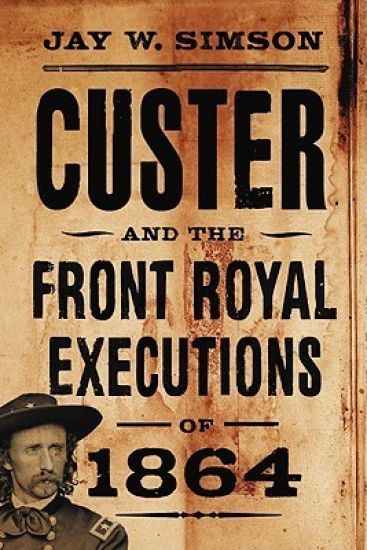
Custer and the Front Royal Executions of 1864
For nearly a century and a half most historians of the Civil War have accepted the claim by Confederate Colonel John S. Mosby that George Armstrong Custer bears all of the guilt associated with the summary executions of six of Mosby's Rangers at Front Royal, Virginia on September 23, 1864. This book challenges that view through a comprehensive look at the events of the day and a history of the persons involved, contending that Custer was not responsible for these executions, being neither present on the scene nor the initiating officer.
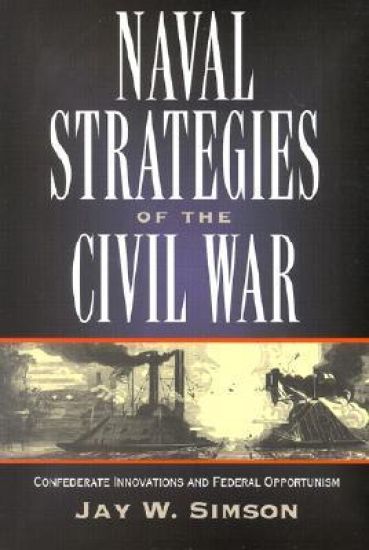
Naval Strategies of the Civil War

Naval Strategies of the Civil War

Jay W. Simson

Cumberland House Publishing,US
2001
pokkari
One of the most overlooked aspects of the American Civil War is the naval strategy played out by the U.S. Navy and the fledgling Confederate Navy, which may make this the first book to compare and contrast the strategic concepts of the Southern Secretary of the Navy Stephen R. Mallory against his Northern counterpart, Gideon Welles. Both men had to accomplish much and were given great latitude in achieving their goals.Mallory's vision of seapower emphasized technological innovation and individual competence as he sought to match quality against the Union Navy's numerical superiority. Welles had to deal with more bureaucratic structure and to some degree a national strategy dictated by the White House. The naval blockade of the South was one of his first tasks -- for which he had but few ships available -- and although he followed the national strategy, he did not limit himself to it when opportunities arose.Mallory's dedication to ironclads is well known, but he also defined the roles of commerce raiders, submarines, and naval mines. Welles's contributions to the Union effort were rooted in his organizational skills and his willingness to cooperate with the other military departments of his government. This led to successes through combined army and naval units in several campaigns on and around the Mississippi River.Naval Strategies of the Civil War then is the story of the very different approaches each man took in defining and executing the naval struggles of the conflict. Until now, it has been mostly an untold story lost in the general histories of the war. In the end, the author concludes that success favored flexible organization rather than desperate, albeit creative, measures.