Kirjojen hintavertailu. Mukana 12 390 323 kirjaa ja 12 kauppaa.

Kirjahaku

Etsi kirjoja tekijän nimen, kirjan nimen tai ISBN:n perusteella.

8 kirjaa tekijältä Jean Hatzfeld

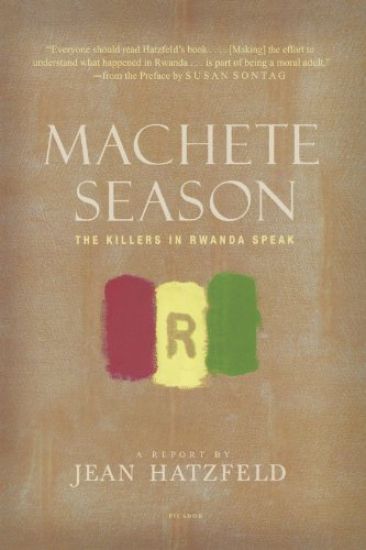
Machete Season: The Killers in Rwanda Speak
A veteran foreign correspondent shares a collection of interviews with ten Hutu men--all tried, convicted, and sentenced for the genocidal killings of their Tutsi neighbors--as they describe their participation in the heinous crimes and their reasons for the murders, in a study that considers the roots of human morality and ethics. Reprint. 25,000 first printing.
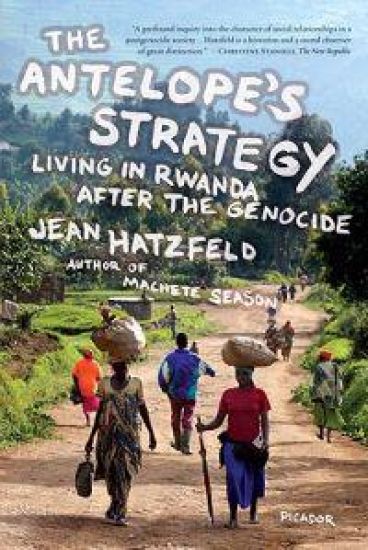
The Antelope's Strategy: Living in Rwanda After the Genocide
One hot May morning in 2003, a crowd of Hutus who had participated in the genocidal killings of April 1994 in Rwanda filed out of prison and into the sunshine, singing hallelujahs, their freedom granted by presidential pardon. As they returned to their old villages, Tutsi survivors watched as the people who had killed their neighbors and families returned to the homes around them. In The Antelope's Strategy, Jean Hatzfeld returns to Rwanda to talk with both Hutus and Tutsis struggling to live side by side. We hear the voices of killers who have been released from prison or returned from exile, and Tutsi escapees who must now tolerate them as neighbors. How are they managing with the process of reconciliation? Is such a thing even possible? The enormously varied answers Hatzfeld gets suggest that little faith in true recovery survives among those who lived through the genocide. This is an astonishing exploration of the pain of memory, the nature of stoic hope, and the ineradicability of grief.
Blood Papa: Rwanda's New Generation

Blood Papa: Rwanda's New Generation

Jean Hatzfeld

Picador USA
2019
nidottu
The continuation of a groundbreaking study of the Rwandan genocide, and the story of the survivor generation In Rwanda from April to June 1994, 800,000 Tutsis were slaughtered by their Hutu neighbors in the largest and swiftest genocide since World War II. In his previous books, Jean Hatzfeld has documented the lives of the killers and victims, but after twenty years he has found that the enormity of understanding doesn't stop with one generation. In Blood Papa, Hatzfeld returns to the hills and marshes of Nyamata to ask what has become of the children--those who never saw the machetes yet have grown up in the shadow of tragedy. Fabrice, Sandra, Jean-Pierre, and others share the genocide as a common inheritance. Some have known only their parents' silence and lies, enduring the harassment of classmates or the stigma of a father jailed for unspeakable crimes. Others have enjoyed a loving home and the sympathies offered to survivor children, but do so without parents or an extended family. The young Rwandans in Blood Papa see each other in the neighborhood--they dance and gossip, frequent the same caf s, and, like teenagers everywhere, love sports, music, and fashion; they surf the Web and dream of marriage. Yet Hutu and Tutsi children rarely speak of the ghosts that haunt their lives. Here their moving first-person accounts combined with Hatzfeld's arresting chronicles of everyday life form a testament to survival in a country devastated by the terrible crimes and trauma of the past.
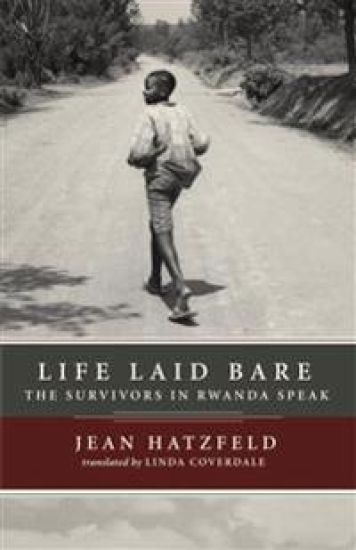
Life Laid Bare: The Survivors in Rwanda Speak
A seasoned reporter's powerful, necessary account of the Rwandan genocide, based on harrowing firsthand testimonies. In the late 1990s, French author and journalist Jean Hatzfeld made several journeys into the hilly, marshy region of the Bugesera, one of the areas most devastated by the Rwandan genocide of April 1994, where an average of five out of six Tutsis were hacked to death with machete and spear by their Hutu neighbors and militiamen. In the villages of Nyamata and N'tarama, Hatzfeld interviewed fourteen survivors of the genocide, from orphan teenage farmers to the local social worker. For years the survivors had lived in a muteness as enigmatic as the silence of those who survived the Nazi concentration camps. In Life Laid Bare, they speak for those who are no longer alive to speak for themselves; they tell of the deaths of family and friends in the churches and marshes to which they fled, and they attempt to account for the reasons behind the Tutsi extermination. For many of the survivors "life has broken down," while for others, it has "stopped," and still others say that it "absolutely must go on." These horrific accounts of life at the very edge contrast with Hatzfeld's own sensitive and vivid descriptions of Rwanda's villages and countryside in peacetime. These voices of courage and resilience exemplify the indomitable human spirit, and they remind us of our own moral responsibility to bear witness to these atrocities and to never forget what can come to pass again. Winner of the Prix France Culture and the Prix Pierre Mille, Life Laid Bare allows us, in the author's own words, "to draw as close as we can get to the Rwandan genocide."
Life Laid Bare: The Survivors in Rwanda Speak
"To make the effort to understand what happened in Rwanda is a painful task that we have no right to shirk-it is part of being a moral adult." -Susan Sontag In the late 1990s, French author and journalist Jean Hatzfeld made several journeys into the hilly, marshy region of the Bugesera, one of the areas most devastated by the Rwandan genocide of April 1994, where an average of five out of six Tutsis were hacked to death with machete and spear by their Hutu neighbors and militiamen. In the villages of Nyamata and N'tarama, Hatzfeld interviewed fourteen survivors of the genocide, from orphan teenage farmers to the local social worker. For years the survivors had lived in a muteness as enigmatic as the silence of those who survived the Nazi concentration camps. In Life Laid Bare, they speak for those who are no longer alive to speak for themselves; they tell of the deaths of family and friends in the churches and marshes to which they fled, and they attempt to account for the reasons behind the Tutsi extermination. For many of the survivors "life has broken down," while for others, it has "stopped," and still others say that it "absolutely must go on." These horrific accounts of life at the very edge contrast with Hatzfeld's own sensitive and vivid descriptions of Rwanda's villages and countryside in peacetime. These voices of courage and resilience exemplify the indomitable human spirit, and they remind us of our own moral responsibility to bear witness to these atrocities and to never forget what can come to pass again. Winner of the Prix France Culture and the Prix Pierre Mille, Life Laid Bare allows us, in the author's own words, "to draw as close as we can get to the Rwandan genocide."
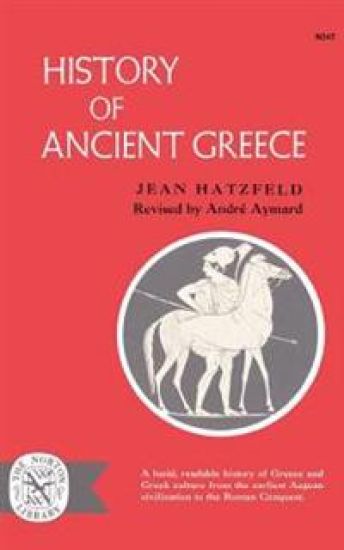
History of Ancient Greece

History of Ancient Greece

Jean Hatzfield; Jean Hatzfeld

W. W. Norton Company
1968
pokkari
This excellent introduction traces Greek history from the pre-Hellenes up to the Roman Conquest and the end of the Greek states. Broad-ranging in approach, the book outlines major patterns of development and decline in economic, political, religious, social, intellectual, and cultural life at home and in the colonies.