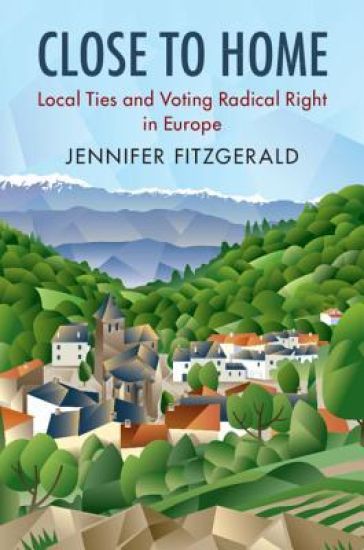
Who votes for radical right parties and why? This book argues that the increasing popularity of the radical right in Europe originates in community bonds: strong ties to one's locality motivate support for the radical right. These parties use nostalgic themes and symbolic politicking to idealize community, defend local autonomy, and ultimately draw local identity into the electoral realm. While other explanations of the radical right's popularity typify supporters as victims of macro-economic shifts and strains, the author's account explores people's day-to-day experiences that link local connections to political decisions. The analysis also raises questions about the political implications of different formal authority structures such as the level and nature of power devolved to local units. The localist model of radical right support illuminates the psychological, social, and institutional conditions and processes that render people's feelings about their cities, towns, and villages relevant for politics.
Who votes for radical right parties and why? This book argues that the increasing popularity of the radical right in Europe originates in community bonds: strong ties to one's locality motivate support for the radical right. These parties use nostalgic themes and symbolic politicking to idealize community, defend local autonomy, and ultimately draw local identity into the electoral realm. While other explanations of the radical right's popularity typify supporters as victims of macro-economic shifts and strains, the author's account explores people's day-to-day experiences that link local connections to political decisions. The analysis also raises questions about the political implications of different formal authority structures such as the level and nature of power devolved to local units. The localist model of radical right support illuminates the psychological, social, and institutional conditions and processes that render people's feelings about their cities, towns, and villages relevant for politics.
As women’s university participation expanded rapidly in the first decade of the twentieth century, two close friends at Queen’s University Belfast nursed scholarly ambitions. Helen Waddell, budding feminist literary critic, and Maude Clarke, future Irish historian, were to become famous medievalists. Waddell’s progress was stymied by her stepmother’s insistence on family duty and by academic misogyny; Clarke’s father, in contrast, helped to clear her way. This joint biography intertwines the story of their friendship with their modern education, their shifting research interests and the obstacles and opportunities that faced them as women seeking academic careers. It traces Waddell’s evolution into an independent scholar, creative writer and translator of medieval Latin, and Clarke’s career as an influential Oxford don, training a generation of high-achieving women academics. The book also reproduces the surviving chapters of Helen Waddell’s Woman in the Drama before Shakespeare (1912-1919), an example of early feminist literary criticism, and Maude Clarke’s searching, self-reflective ‘Historiographical Notes’ (c.1930).