Kirjojen hintavertailu. Mukana 11 627 461 kirjaa ja 12 kauppaa.

Kirjahaku

Etsi kirjoja tekijän nimen, kirjan nimen tai ISBN:n perusteella.

4 kirjaa tekijältä Jennifer Mather Saul

Dogwhistles and Figleaves

Dogwhistles and Figleaves

Jennifer Mather Saul

Oxford University Press
2024
sidottu
Pinpoints how "dogwhistles" and "figleaves," two kinds of linguistic trick, distort political discourse and normalize racism It is widely accepted that political discourse in recent years has become more openly racist and more accepting of wildly implausible conspiracy theories. Dogwhistles and Figleaves explores ways in which such changes--both of which defied previously settled norms of political speech--have been brought about. Jennifer Saul shows that two linguistic devices, dogwhistles and figleaves, have played a crucial role. Some dogwhistles (such as "88", used by Nazis online to mean "Heil Hitler") serve to disguise messages that would otherwise be rejected as unacceptable, allowing them to be transmitted surreptitiously. Other dogwhistles (like the 1988 "Willie Horton" ad) work by influencing people in ways that they are not aware of, and which they would likely reject were they aware. Figleaves (such as "just asking questions") take messages that could easily be recognized as unacceptable, and provide just enough cover that people become more willing to accept them. Saul argues that these devices are important for the spread of racist discourse. She also shows how they contribute to the transmission of norm-violating discourse more generally, focusing on the case of wildly implausible conspiracist speech. Together, these devices have both exploited and widened existing divisions in society, and normalized racist and conspiracist speech. This book is the first full-length exploration of dogwhistles and figleaves. It offers an illuminating and disturbing view of the workings of contemporary political discourse.
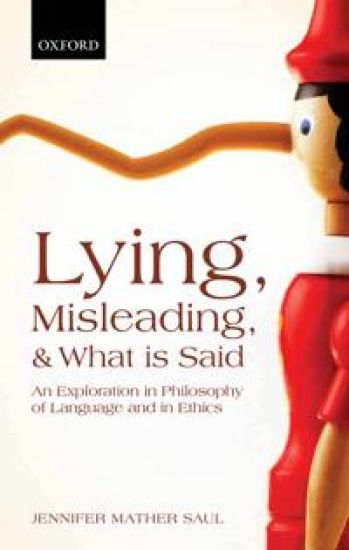
Lying, Misleading, and What is Said

Lying, Misleading, and What is Said

Jennifer Mather Saul

Oxford University Press
2015
nidottu
Many people (both philosophers and not) find it very natural to think that deceiving someone in a way that avoids lying--by merely misleading--is morally preferable to simply lying. Others think that this preference is deeply misguided. But all sides agree that there is a distinction. In Lying, Misleading, and What is Said, Jennifer Saul undertakes a close examination of the lying/misleading distinction. Saul begins by using this very intuitive distinction to shed new light on entrenched debates in philosophy of language over notions like what is said. Next, she tackles the puzzling but widespread moral preference for misleading over lying, and arrives at a new view regarding the moral significance of the distinction. Finally, Saul draws her conclusions together to examine a range of historically important and interesting cases, from a consideration of modern politicians to the early Jesuits.
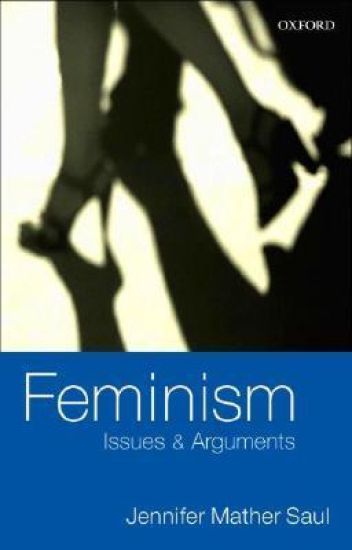
Feminism

Feminism

Jennifer Mather Saul

Oxford University Press
2003
nidottu
An introduction to feminist philosophy. The chapters are organised around key issues of practical significance, such as pornography, abortion and sexual harassment. Clear arguments are provided for a variety of feminist positions, drawing upon up-to-date empirical research.
Lying, Misleading, and What is Said

Lying, Misleading, and What is Said

Jennifer Mather Saul

Oxford University Press
2012
sidottu
Many people (both philosophers and not) find it very natural to think that deceiving someone in a way that avoids lying--by merely misleading--is morally preferable to simply lying. Others think that this preference is deeply misguided. But all sides agree that there is a distinction. In Lying, Misleading, and What is Said, Jennifer Saul undertakes a close examination of the lying/misleading distinction. Saul begins by using this very intuitive distinction to shed new light on entrenched debates in philosophy of language over notions like what is said. Next, she tackles the puzzling but widespread moral preference for misleading over lying, and arrives at a new view regarding the moral significance of the distinction. Finally, Saul draws her conclusions together to examine a range of historically important and interesting cases, from a consideration of modern politicians to the early Jesuits.