Kirjojen hintavertailu. Mukana 11 699 587 kirjaa ja 12 kauppaa.

Kirjahaku

Etsi kirjoja tekijän nimen, kirjan nimen tai ISBN:n perusteella.

10 kirjaa tekijältä Jens Gunni Busck

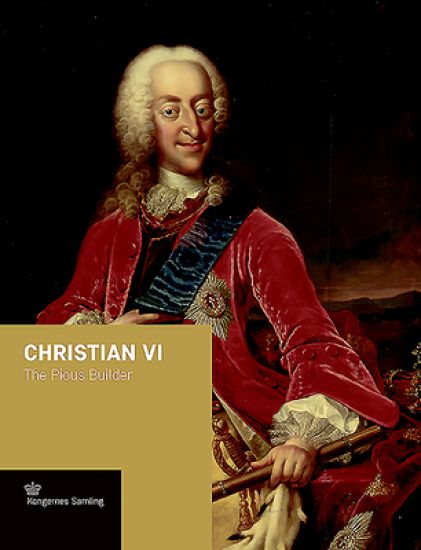
Christian VI

Christian VI

Jens Gunni Busck

Historika
2019
sidottu
Christian VI ruled Denmark-Norway from 1730 until his death in 1746. As King he was enthusiastic about construction projects - he built the first Christiansborg Palace, Hirschholm Palace, and the Hermitage Palace. As an adherent of the Pietist religious movement, he believed it was sinful to enjoy oneself and life at his court was reminiscent of life in a monastery. He took a number of measures to combat a long-lasting economic slump, one of which was the introduction of the hated system of adscription known as the stavnsbånd. As the first Danish absolute monarch to do so, he managed to avoid war throughout his entire reign. This book is part of the Crown Series, a series of small books on the Danish monarchy and related subjects published in cooperation with the Royal Danish Collection.
Frederik V

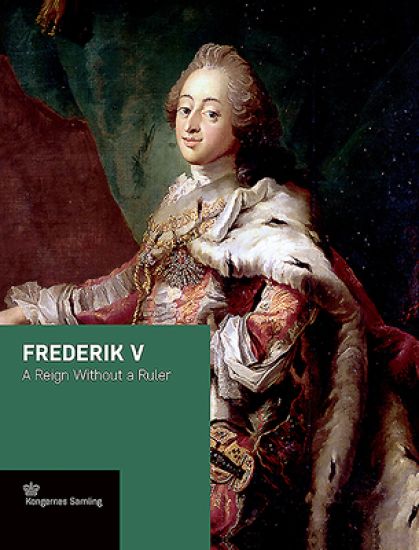
Frederik V

Jens Gunni Busck

Historika
2019
sidottu
Frederik V reigned over Denmark-Norway from 1746 until his death in 1766. For the most part he was a ruler in name only however, as he had developed a pattern of alcohol abuse as a young man that rendered him unable to administer his power in an independent fashion. He therefore had to transfer power to competent ministers and in particular to his High Court Marshal, Adam Gottlob Moltke, who functioned as the real head of state throughout Frederik V's entire reign. The kingdom experienced a general economic upswing during this period, and the court came to be characterised by elegant splendour, while trade and industry benefitted from Denmark-Norway's policy of neutrality toward warring parties. Moltke organized the Construction of the palace quarter of Amalienborg and Frederiksstaden in honour of the King.This book is part of the Crown Series, a series of small books on the Danish monarchy and related subjects published in cooperation with the Royal Danish Collection.
Christian VII

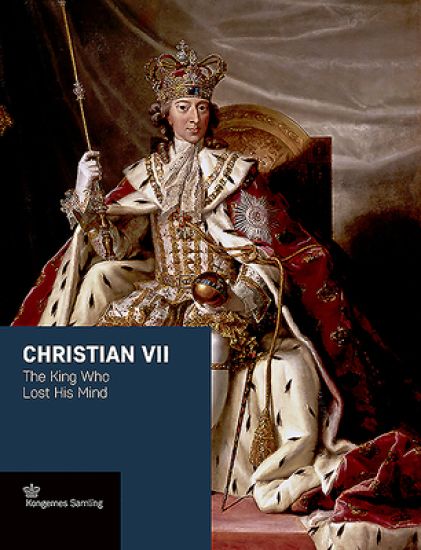
Christian VII

Jens Gunni Busck

Historika
2019
sidottu
Christian VII was King of Denmark-Norway from 1766 until 1808, although we was unable to rule because of mental health problems. He acceded to the throne when he was just sixteen, and his accession was followed by a few years of scandal and drama at the royal court. The physician J.F. Struensee took complete control of Christian VII at the start of his reign while at the same time beginning an affair with Queen Caroline Mathilde. Struensee was executed in 1772, and the King subsequently had to accept being controlled by members of his own family - first by Dowager Queen Juliane Marie and Hereditary Prince Frederik, and then by Christian VII's own son, Crown Prince Frederik (VI).This book is part of the Crown Series, a series of small books on the Danish monarchy and related subjects published in cooperation with the Royal Danish Collection.
Frederik VI

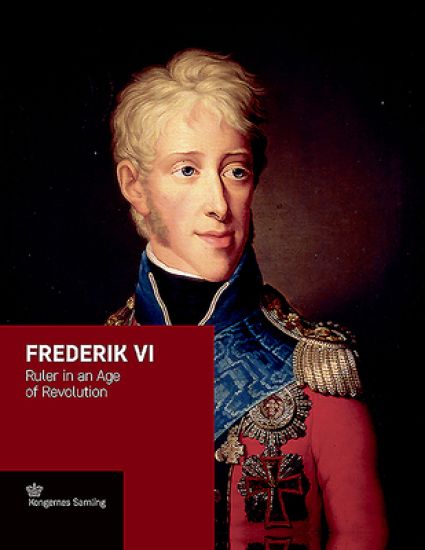
Frederik VI

Jens Gunni Busck

Historika
2019
sidottu
Frederik VI ruled as King of Denmark from 1806 until 1839. Before that he had ruled as Crown Prince on behalf of Christian VII after having seized power by means of a coup d'état in 1784. Frederik began his long regency by implementing far-sighted measures, including the great agricultural reforms, in cooperation with competent advisors. In contrast, the Napoleonic Wars, which for Denmark meant the Battle of Copenhagen of 1801, the Bombardment of Copenhagen in 1807, and the relinquishing of Norway in 1814, did not go well for Frederik VI. Frederik VI did not care for revolutions, but he reigned in an age in which absolute monarchy became controversial, and as King he had to take action to confront contemporary demands for social reforms. This book is part of the Crown Series, a series of small books on the Danish monarchy and related subjects published in cooperation with the Royal Danish Collection.
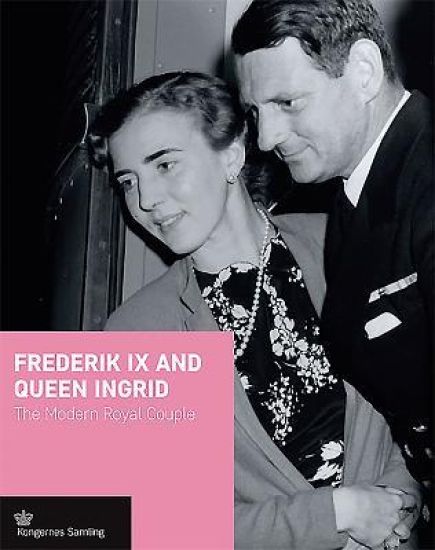
Frederik IX and Queen Ingrid

Frederik IX and Queen Ingrid

Jens Gunni Busck

Gad
2015
sidottu
Frederik IX and Queen Ingrid were the Danish royal couple from 1947 until 1972, when King Frederik died and was succeeded by his eldest daughter, Queen Margrethe II. In contrast to his predecessors, Frederik IX was seen as a man of the people, and thanks to the influence of Queen Ingrid he endowed his reign with kingly dignity. Together they modernised the Danish monarchy and came to symbolise an exemplary modern Danish nuclear family. They mastered the art of being both popular and royal in a time in which handling of the media became increasingly important for the monarchy.This book is part of the Crown Series, a series of small books on the Danish monarchy and related subjects published in cooperation with the Royal Danish Collection.
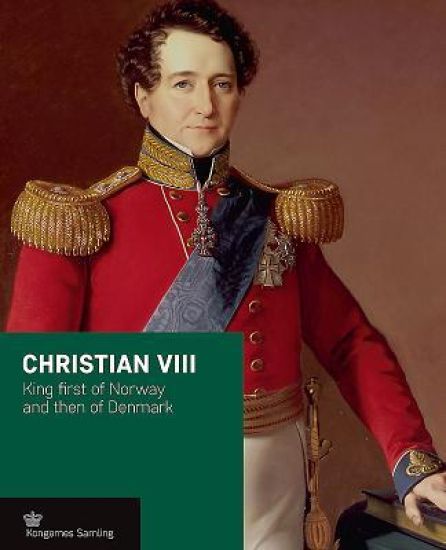
Christian VIII

Christian VIII

Jens Gunni Busck

Gad
2016
sidottu
Christian VIII ruled Denmark from 1839 to 1848 as the country's last absolute monarch - in 1814 he was also briefly Norway's first constitutional king, and he took the initiative to introduce the constitutions of both Norway and Denmark.Christian VIII and Queen Caroline Amalie lived during a time that was characterised by political unrest but also by cultural richness, and their circle of acquaintances included Hans Christian Andersen, N.F.S. Grundtvig, Bertel Thorvaldsen, C.W. Eckersberg, Adam Oehlenschläger, and H.C. Ørsted.This book is part of the Crown Series, a series of small books on the Danish monarchy and related subjects published in cooperation with the Royal Danish Collection.
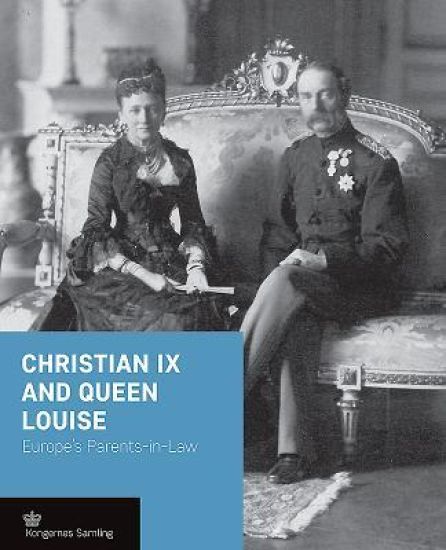
Christian IX and Queen Louise

Christian IX and Queen Louise

Jens Gunni Busck

Gad
2016
sidottu
Christian IX and Queen Louise were the first couple of the Glücksburg line on the Danish throne. They had a difficult beginning as they ascended the throne in 1863, immediately prior to the military defeat by Prussia and Austria in 1864. However, they eventually became popular with the Danish people, not least because they secured such advantageous marriages for their six children that, within their own lifetimes, they became known as ""Europe's parents-in-law"". Today there are not many European royals who are not descendants of Christian IX and Queen Louise, who died in 1906 and 1898 respectively.This book is part of the Crown Series, a series of small books on the Danish monarchy and related subjects published in cooperation with the Royal Danish Collection.
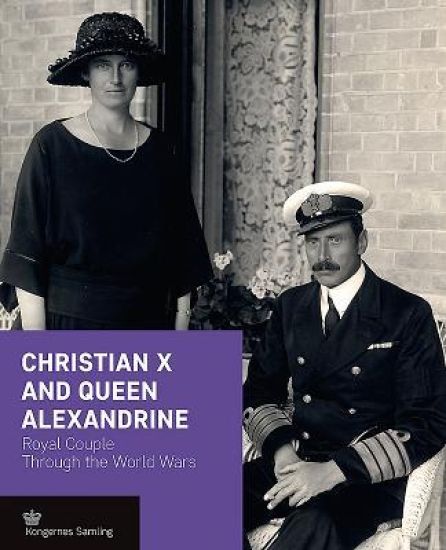
Christian X and Queen Alexandrine
Christian X and Queen Alexandrine were Denmark's royal couple from 1912 to 1947. They reigned during a period in which the world was dramatically changing. Two world wars and serious economic crises left their mark on their reign and contributed to the royal couple's great significance as a centre around which the nation could gather.During the same period, the role of the monarchy was fundamentally changed; the Danish monarchy found its place in a modern parliamentary democracy, and following the advent of modern mass media the royal couple became a public presence.This book is part of the Crown Series, a series of small books on the Danish monarchy and related subjects published in cooperation with the Royal Danish Collection.
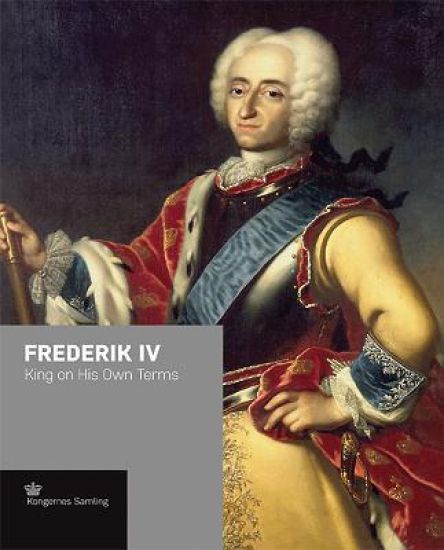
Frederik IV

Frederik IV

Jens Gunni Busck

Gad
2017
sidottu
Frederik IV reigned from 1699 until 1730. None of the other absolute monarchs in Danish history ruled in as headstrong a fashion as he did. Frederik IV took it upon himself to make as many of the realm's decisions as possible, and this worked remarkably well. With the help of Tordenskjold, he brought Denmark-Norway safely through the bloody Great Northern War, which would be Denmark's final showdown with its arch-enemy Sweden. In his love life, too, he was extremely headstrong - he abducted his beloved Anna Sophie Reventlow, with whom he entered into a morganatic marriage and whom he later made his Queen.This book is part of the Crown Series, a series of small books on the Danish monarchy and related subjects published in cooperation with the Royal Danish Collection.
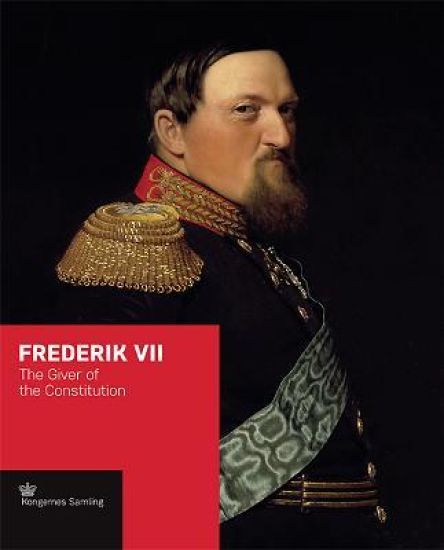
Frederik VII

Frederik VII

Jens Gunni Busck

Gad
2017
sidottu
Frederik VII ruled Denmark from 1848 until 1863. In 1849 he introduced Denmark's first constitution. Despite his great weaknesses as a ruler, he is one of the most remarkable figures among the Danish monarchs. He was an odd individual with a rather unstable temperament, and in many ways he was a black sheep within the royal family. In particular, Frederik VII provoked people with his marriage to Countess Danner, but at the same time he added a completely new popular dimension to the monarchy. Frederik VII had a sense of the mood of the people that enabled him to become something as paradoxical as a royal icon of democracy in Denmark.This book is part of the Crown Series, a series of small books on the Danish monarchy and related subjects published in cooperation with the Royal Danish Collection.