Kirjojen hintavertailu. Mukana 11 627 067 kirjaa ja 12 kauppaa.

Kirjahaku

Etsi kirjoja tekijän nimen, kirjan nimen tai ISBN:n perusteella.

11 kirjaa tekijältä Jerald T. Milanich

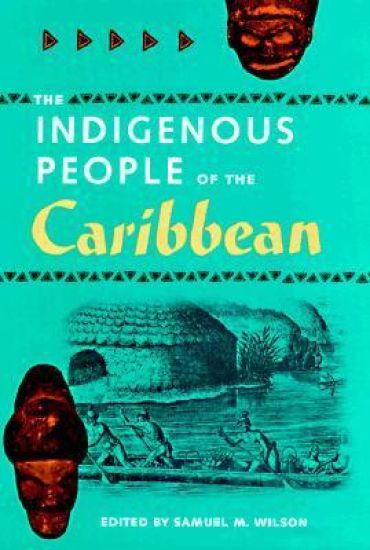
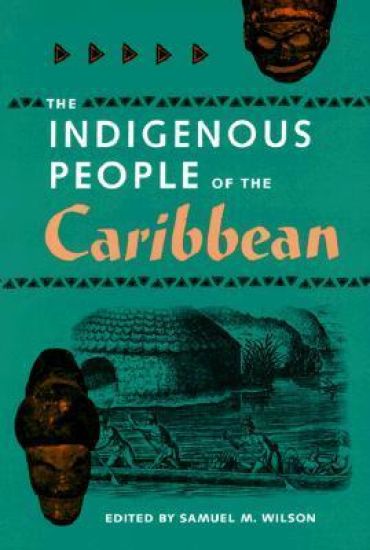
The Indigenous People of the Caribbean

The Indigenous People of the Caribbean

Jerald T. Milanich

University Press of Florida
1999
sidottu
Bringing together 19 Caribbean specialists, this text examines the people of the Caribbean, their social organization, religion, language, lifeways, and contribution to the culture of their modern descendants - to provide a comprehensive reader on Caribbean archaelogy, ethnohistory, and ethnology.
The Indigenous People of the Caribbean

The Indigenous People of the Caribbean

Jerald T. Milanich

University Press of Florida
1999
nidottu
Bringing together 19 Caribbean specialists, this text examines the people of the Caribbean, their social organization, religion, language, lifeways, and contribution to the culture of their modern descendants - to provide a comprehensive reader on Caribbean archaeology, ethnohistory, and ethnology.
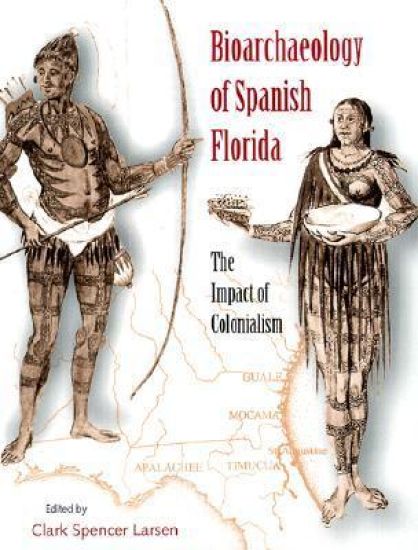
Bioarchaeology of Spanish Florida

Bioarchaeology of Spanish Florida

Jerald T. Milanich

University Press of Florida
2001
sidottu
These important essays address the biological consequences of the arrival of Europeans in the New World and on the lifeways of native populations following contact in the late 16th century. Moving away from monocausal explanations of population change, they maintain that disease should be viewed as only a facet of a complex problem and that issues relating to diet, nutrition, activity, the work environment, and social and political change are equally important.
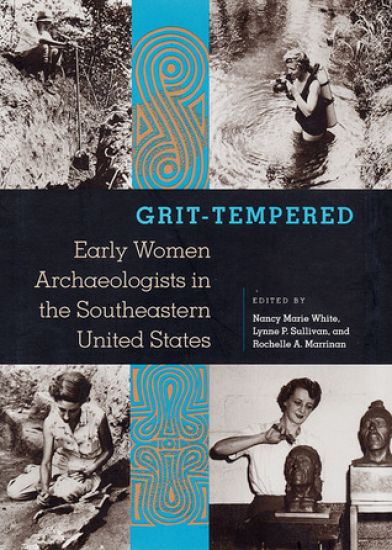
Grit-tempered

Grit-tempered

Jerald T. Milanich

University Press of Florida
2001
nidottu
This volume documents the lives and work of pioneering women archaeologists in the southeastern United States, from the 1920s through the 1960s, portraying their professional accomplishments in the context of their personal lives. Some of the women are working today, and they either wrote their own stories or were interviewed. Others are no longer living; their biographies are gleaned from archival research. Rich with humor, tragedy, and important information for the history of anthropology and archaeology in the South and beyond, this book includes the story of African-American women excavators on WPA crews during the Great Depression; tales of innovative lab work, adventurous fieldwork, and public archaeology; and provocative discussions of women in archaeology and of gender in the archaeological record.
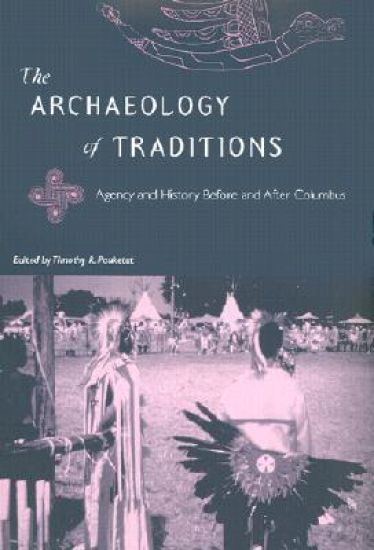
The Archaeology of Traditions

The Archaeology of Traditions

Jerald T. Milanich

University Press of Florida
2001
sidottu
Rich with the objects of the day-to-day lives of illiterate or common people in the southeastern United States, this book offers an archaeological reevaluation of history itself: where it is, what it is, and how it came to be. Through clothing, cooking, eating, tool making, and other mundane forms of social expression and production, traditions were altered daily in encounters between missionaries and natives, between planters and slaves, and between native leaders and native followers. As this work demonstrates, these ""unwritten texts"" proved to be potent ingredients in the larger-scale social and political events that shaped peoples, cultures, and institutions.
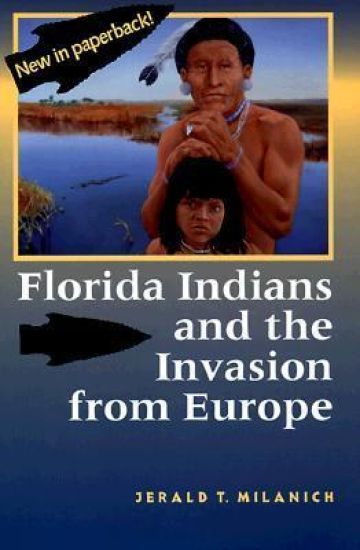
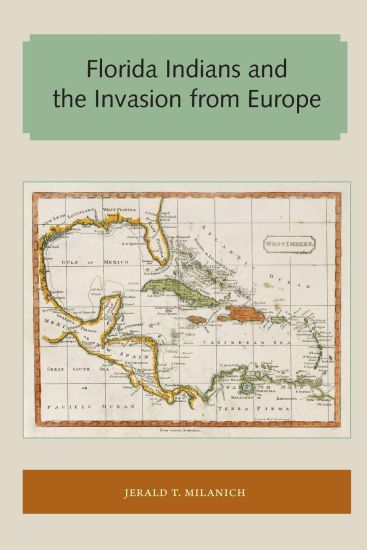
Florida Indians and the Invasion from Europe

Florida Indians and the Invasion from Europe

Jerald T. Milanich

Library Press at UF
2018
nidottu
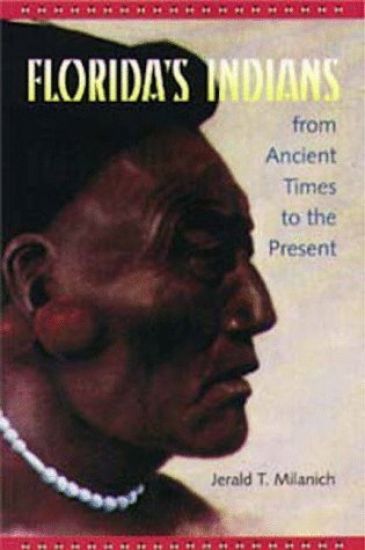
Florida's Indians tells the story of the native societies that have lived in Florida for twelve millennia, from the early hunters at the end of the Ice Age to the modern Seminole, Miccosukee, and Creeks.When the first Indians arrived in what is now Florida, they wrested their livelihood from a land far different from the modern countryside, one that was cooler, drier, and almost twice the size. Thousands of years later European explorers encountered literally hundreds of different Indian groups living in every part of the state. (Today every Florida county contains an Indian archaeological site.) The arrival of colonists brought the native peoples a new world and great changes took place--by the mid-1700s, through warfare, slave raids, and especially epidemics, the population was almost annihilated. Other Indians soon moved into the state, including Creeks from Georgia and Alabama, who were the ancestors of the modern Seminole and Miccosukee Indians. Written for a general audience, this book is lavishly illustrated with full-color drawings and photographs. It skillfully integrates the latest archaeological and historical information about the Sunshine State's Native Americans, connecting the past and present with modern place-names, and it gives a proud voice to Florida’s rich Indian heritage.
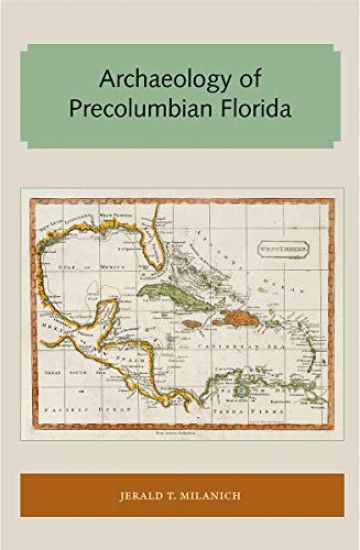
Archaeology of Precolumbian Florida

Archaeology of Precolumbian Florida

Jerald T. Milanich

Library Press at UF
2018
nidottu
The books in the Florida and the Caribbean Open Books Series demonstrate the University Press of Florida’s long history of publishing Latin American and Caribbean studies titles that connect in and through Florida, highlighting the connections between the Sunshine State and its neighboring islands. Books in this series show how early explorers found and settled Florida and the Caribbean. They tell the tales of early pioneers, both foreign and domestic. They examine topics critical to the area such as travel, migration, economic opportunity, and tourism. They look at the growth of Florida and the Caribbean and the attendant pressures on the environment, culture, urban development, and the movement of peoples, both forced and voluntary. The Florida and the Caribbean Open Books Series gathers the rich data available in these architectural, archaeological, cultural, and historical works, as well as the travelogues and naturalists’ sketches of the area in prior to the twentieth century, making it accessible for scholars and the general public alike. The Florida and the Caribbean Open Books Series is made possible through a grant from the National Endowment for the Humanities and the Andrew W. Mellon Foundation, under the Humanities Open Books program.