Kirjojen hintavertailu. Mukana 11 342 296 kirjaa ja 12 kauppaa.

Kirjahaku

Etsi kirjoja tekijän nimen, kirjan nimen tai ISBN:n perusteella.

16 kirjaa tekijältä Jeremy Holmes

Mental Health in Primary Care

Mental Health in Primary Care

Jeremy Holmes

Oxford University Press
2002
nidottu
Mental Health has finally come home to primary care, where 90% of all patients with psychological difficulties are diagnosed and treated, and where Governments increasingly see the bulk of mental health commissioning and practice as belonging. This book, whose contributors uniquely include leading figures from the world of both primary care and psychiatry, brings together the best of contemporary psychiatry with a deep understanding of the realities, challenges and opportunities of general practice. The book is divided into four parts. The reader is taken from the first-hand experience of the encounter with the psychiatric patient in the GP consulting room, through the stresses and strains of such work, to the wider primary care mental health team of counselling, family therapy and group dynamics, and finally to specific disorders such as psychosis, eating disorders, depression, suicide, and trauma as they present in the primary care setting. The book ends with practical guidance in the use of psychotropic drugs and psychological treatments in primary care. The tone throughout is influenced by the editors' background , one a GP, the other a psychiatrist, in psychotherapy and 'Balint' groups, which places the doctor's own feelings and aspirations centre stage, no less than those of the patient. The book offers new ideas in two ways. First, in that it looks at how cutting edge psychiatry can be applied and practised in the primary care setting, away from psychiatric institutions, and adapted to the realities of primary care, where distress does not easily fit into predetermined categories derived from secondary care. Second, because the editors, possibly unfashionably, believe that, faced with an ever-expanding, protocol-driven, standardised medical culture, the concepts and ideas of group dynamics and counter-transference need to be rediscovered if primary care is to be effective. In sum, this book is an essential vade-mecum for all primary care mental health workers, whether GPs, psychologists, nurses, psychiatrists, psychotherapists or counsellors. It contains practical guidance and holds onto the vision that GP, patient, family and practice team must work together.
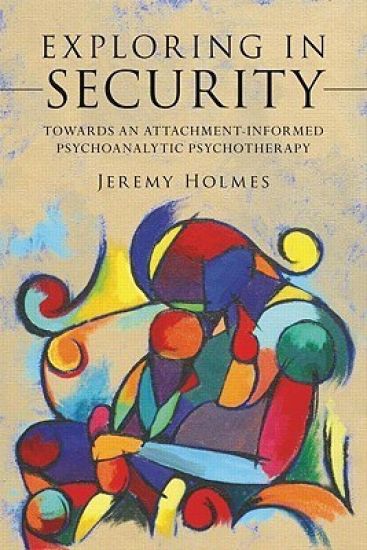
Exploring in Security

Exploring in Security

Jeremy Holmes

Routledge
2009
nidottu
Winner of the 2010 Goethe Award for Psychoanalytic and Psychodynamic Scholarship!This book builds a key clinical bridge between attachment theory and psychoanalysis, deploying Holmes' unique capacity to weld empirical evidence, psychoanalytic theory and consulting room experience into a coherent and convincing whole. Starting from the theory–practice gap in psychoanalytic psychotherapy, the book demonstrates how attachment theory can help practitioners better understand what they intuitively do in the consulting room, how this benefits clients, and informs evidence-based practice. Divided into two sections, theory and practice, Exploring in Security discusses the concept of mentalising and considers three components of effective therapy – the therapeutic relationship, meaning making and change promotion – from both attachment and psychoanalytic perspectives. The second part of the book applies attachment theory to a number of clinical situations including: working with borderline clientssuicide and deliberate self-harmsex and sexualitydreamsending therapy.Throughout the book theoretical discussion is vividly illustrated with clinical material, personal experience and examples from literature and film, making this an accessible yet authoritative text for psychotherapy practitioners at all levels, including psychoanalysts, psychiatrists, clinical psychologists, mental health nurses and counsellors.
John Bowlby and Attachment Theory

John Bowlby and Attachment Theory

Jeremy Holmes

Routledge
2014
sidottu
Second edition, completely revised and updatedJohn Bowlby is one of the outstanding psychological theorists of the twentieth century. This new edition of John Bowlby and Attachment Theory is both a biographical account of Bowlby and his ideas and an up-to-date introduction to contemporary attachment theory and research, now a dominant force in psychology, counselling, psychotherapy and child development.Jeremy Holmes traces the evolution of Bowlby’s work from a focus on delinquency, material deprivation and his dissatisfaction with psychoanalysis's imperviousness to empirical science to the emergence of attachment theory as a psychological model in its own right. This new edition traces the explosion of interest, research and new theories generated by Bowlby’s followers, including Mary Main’s discovery of Disorganised Attachment and development of the Adult Attachment Interview, Mikulincer and Shaver’s explorations of attachment in adults and the key contributions of Fonagy, Bateman and Target. The book also examines advances in the biology and neuroscience of attachment.Thoroughly accessible yet academically rigorous, and written by a leading figure in the field, John Bowlby and Attachment Theory is still the perfect introduction to attachment for students of psychology, psychiatry, counselling, social work and nursing.
John Bowlby and Attachment Theory

John Bowlby and Attachment Theory

Jeremy Holmes

Routledge
2014
nidottu
Second edition, completely revised and updatedJohn Bowlby is one of the outstanding psychological theorists of the twentieth century. This new edition of John Bowlby and Attachment Theory is both a biographical account of Bowlby and his ideas and an up-to-date introduction to contemporary attachment theory and research, now a dominant force in psychology, counselling, psychotherapy and child development.Jeremy Holmes traces the evolution of Bowlby’s work from a focus on delinquency, material deprivation and his dissatisfaction with psychoanalysis's imperviousness to empirical science to the emergence of attachment theory as a psychological model in its own right. This new edition traces the explosion of interest, research and new theories generated by Bowlby’s followers, including Mary Main’s discovery of Disorganised Attachment and development of the Adult Attachment Interview, Mikulincer and Shaver’s explorations of attachment in adults and the key contributions of Fonagy, Bateman and Target. The book also examines advances in the biology and neuroscience of attachment.Thoroughly accessible yet academically rigorous, and written by a leading figure in the field, John Bowlby and Attachment Theory is still the perfect introduction to attachment for students of psychology, psychiatry, counselling, social work and nursing.
Attachments: Psychiatry, Psychotherapy, Psychoanalysis
For three decades Jeremy Holmes has been a leading figure in psychodynamic psychiatry in the UK and across the world. He has played a central role in promoting the ideas of John Bowlby and in developing the clinical applications – psychiatric and psychotherapeutic – of Attachment Theory in working with adults. Drawing on both psychoanalytic and attachment ideas, Holmes has been able to encompass a truly biopsychosocial perspective. As a psychotherapist Holmes brings together psychodynamic, systemic and cognitive models, alert to vital differences, but also keenly sensitive to overlaps and parallels.This volume of selected papers brings together the astonishing range of Holmes' interests and contributions. The various sections in the book cover:An extended interview – covering Holmes’ career and philosophy as a psychodynamic psychiatrist'Juvenilia' – sibling relationships, the psychology of nuclear weapons, and the psychodynamics of surgical intervention.Psychodynamic psychiatry: Integrative and Attachment-InformedA psychotherapy section in which he develops his model of psychotherapeutic change'Heroes' – biographical pieces about the major influences including, John Bowlby, Michael Balint, DavidMalan, Jonathan Pedder and Charles Rycroft.'Ephemera' – brief pieces covering such topics as frequency of psychodynamic sessions and fees.Attachments: Psychiatry, Psychotherapy, Psychoanalysis - The Selected Works of Jeremy Holmes will be essential and illuminating reading for practitioners and students of psychiatry and psychotherapy in all its guises.
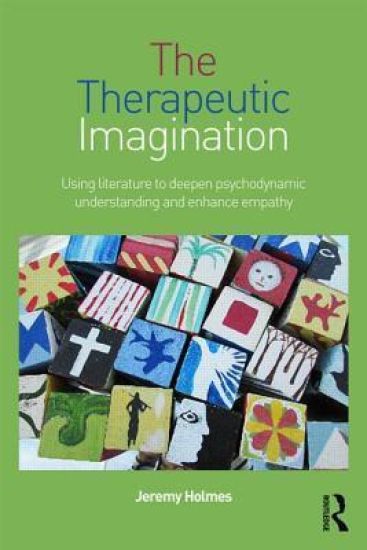
The Therapeutic Imagination

The Therapeutic Imagination

Jeremy Holmes

Routledge
2014
sidottu
Use of the imagination is a key aspect of successful psychotherapeutic treatments. Psychotherapy helps clients get in touch with, awaken, and learn to trust their creative inner life, while therapists use their imaginations to mentalise the suffering other and to trace the unconscious stirrings evoked by the intimacy of the consulting room.Working from this premise, in The Therapeutic Imagination Jeremy Holmes argues unashamedly that literate therapists make better therapists. Drawing on psychoanalytic and literary traditions both classical and contemporary, Part I shows how poetry and novels help foster therapists’ understanding of their own imagination-in-action, anatomised into five phases: attachment, reverie, logos, action and reflection. Part II uses the contrast between secure and insecure narrative styles in attachment theory and relates these to literary storytelling and the transformational aspects of therapy. Part III uses literary accounts to illuminate the psychiatric conditions of narcissism, anxiety, splitting and bereavement. Based on Forster’s motto, ‘Only Connect’, Part IV argues, with the help of poetic examples, that a psychiatry shorn of psychodynamic creativity is impoverished and fails to serve its patients.Clearly and elegantly written, and drawing on the author’s deep knowledge of psychoanalysis and attachment theory and a lifetime of clinical experience, Holmes convincingly links the literary and psychoanalytic canon. The Therapeutic Imagination is a compelling and insightful work that will strike chords for therapists, counsellors, psychoanalysts, psychiatrists and psychologists.
Attachments: Psychiatry, Psychotherapy, Psychoanalysis
For three decades Jeremy Holmes has been a leading figure in psychodynamic psychiatry in the UK and across the world. He has played a central role in promoting the ideas of John Bowlby and in developing the clinical applications – psychiatric and psychotherapeutic – of Attachment Theory in working with adults. Drawing on both psychoanalytic and attachment ideas, Holmes has been able to encompass a truly biopsychosocial perspective. As a psychotherapist Holmes brings together psychodynamic, systemic and cognitive models, alert to vital differences, but also keenly sensitive to overlaps and parallels.This volume of selected papers brings together the astonishing range of Holmes' interests and contributions. The various sections in the book cover:An extended interview – covering Holmes’ career and philosophy as a psychodynamic psychiatrist'Juvenilia' – sibling relationships, the psychology of nuclear weapons, and the psychodynamics of surgical intervention.Psychodynamic psychiatry: Integrative and Attachment-InformedA psychotherapy section in which he develops his model of psychotherapeutic change'Heroes' – biographical pieces about the major influences including, John Bowlby, Michael Balint, DavidMalan, Jonathan Pedder and Charles Rycroft.'Ephemera' – brief pieces covering such topics as frequency of psychodynamic sessions and fees.Attachments: Psychiatry, Psychotherapy, Psychoanalysis - The Selected Works of Jeremy Holmes will be essential and illuminating reading for practitioners and students of psychiatry and psychotherapy in all its guises.
The Therapeutic Imagination

The Therapeutic Imagination

Jeremy Holmes

Routledge
2016
nidottu
Use of the imagination is a key aspect of successful psychotherapeutic treatments. Psychotherapy helps clients get in touch with, awaken, and learn to trust their creative inner life, while therapists use their imaginations to mentalise the suffering other and to trace the unconscious stirrings evoked by the intimacy of the consulting room.Working from this premise, in The Therapeutic Imagination Jeremy Holmes argues unashamedly that literate therapists make better therapists. Drawing on psychoanalytic and literary traditions both classical and contemporary, Part I shows how poetry and novels help foster therapists’ understanding of their own imagination-in-action, anatomised into five phases: attachment, reverie, logos, action and reflection. Part II uses the contrast between secure and insecure narrative styles in attachment theory and relates these to literary storytelling and the transformational aspects of therapy. Part III uses literary accounts to illuminate the psychiatric conditions of narcissism, anxiety, splitting and bereavement. Based on Forster’s motto, ‘Only Connect’, Part IV argues, with the help of poetic examples, that a psychiatry shorn of psychodynamic creativity is impoverished and fails to serve its patients.Clearly and elegantly written, and drawing on the author’s deep knowledge of psychoanalysis and attachment theory and a lifetime of clinical experience, Holmes convincingly links the literary and psychoanalytic canon. The Therapeutic Imagination is a compelling and insightful work that will strike chords for therapists, counsellors, psychoanalysts, psychiatrists and psychologists.
Storr's Art of Psychotherapy 3E

Storr's Art of Psychotherapy 3E

Jeremy Holmes

Routledge
2012
nidottu
Highly Commended, BMA Medical Book Awards 2013Sensitively updated and revised for modern practice, Anthony Storr's legendary work continues to be an indispensible introductory text for aspiring psychotherapists.Professor Jeremy Holmes, a friend and colleague of Anthony Storr's and himself a leading psychotherapist, has updated this accessible and humane account of the practice of psychotherapy to include:Integrative psychotherapeutic approaches Revised classification of personality typesNew sections on selection and assessmentConsideration of evidence-based psychodynamic practice Broadened appeal to the full range of mental health professionalsRetaining Anthony Storr's wisdom, vision, and classic approach, whilst bringing the text totally up to date, this will be a cornerstone volume for beginner and experienced psychotherapists alike. It will also appeal to psychiatrists, clinical psychologists, nurses, social workers, counsellors, and other mental health professionals.
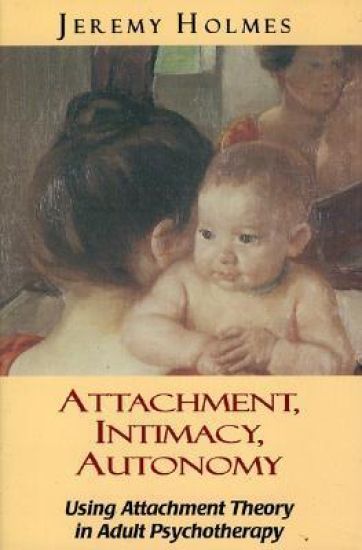
Attachment, Intimacy, Autonomy

Attachment, Intimacy, Autonomy

Jeremy Holmes

Jason Aronson Inc. Publishers
1996
nidottu
Attachment theory is on the leading edge of a conceptual revolution. It offers a new paradigm that can synthesize into a more coherent whole the best ideas from psychoanalysis, cognitive science, and neurobiology. With its emphasis on relationships, attachment theory is determinedly humanistic, while retaining the scientific vigor of Darwinian ethnology. Attachment theory provides an overall framework for thinking about relationships, or more accurately, about those aspects of relationships that are shaped by threat and the need for security, themes that are central to the work of psychotherapy. In this book Jeremy Holmes explores the contribution of attachment theory to everyday psycho-therapeutic practice where patients are usually seen once weekly, or less, for no more than two to three years.
The Brain has a Mind of its Own

The Brain has a Mind of its Own

Jeremy Holmes

Confer Books
2020
pokkari
Describing the neuroscientific basis for effective psychotherapy, Professor Holmes draws on the Free Energy Principle, which holds that, through ‘active inference’ -- agency and model revision -- the brain minimises discrepancies between incoming experience and its pre-existing picture of the world. Difficulties with these processes underlie clients’ need for psychotherapeutic help. Based on his relational ‘borrowed brain’ model, and deploying his capacity to communicate complex ideas to a wide audience, Holmes shows us how the ‘talking cure’ reinstates active inference and thus how therapy helps bring about change.
The Spirit of Psychotherapy

The Spirit of Psychotherapy

Jeremy Holmes

KARNAC BOOKS
2024
pokkari
In The Spirit of Psychotherapy, Holmes considers whether the principles which underpin religion this can be applied to the largely secular world of psychotherapy. Having a belief system is generally associated with good physical and mental health, and the prime focus of psychotherapy theory and practice is intrapersonal and interpersonal, but these are nested in an often-unexamined supra-personal context, sociological, ecological and spiritual. Structured around a qualitative study based on in-depth interviews with people from a wide range of faith backgrounds, Holmes presents the role belief and spirituality play in everyday lives. From these interviews the author identifies core themes such as attachment and hope; frameworks of meaning and rhythm and ritual. Individual chapters are devoted to detailed descriptions of subjects’ accounts of these, while drawing parallels and implications for psychotherapy.
På sporet af den sikre base

På sporet af den sikre base

Jeremy Holmes

Gyldendal
2019
nidottu
Begrebet om den sikre eller trygge base skyldes Mary S. Ainsworth, men har navnlig vundet indpas gennem John Bowlbys (1907-90) og den såkaldte tilknytningsteori – kendt herhjemme gennem En sikker base (1994) og At knytte og bryde nære bånd (1996). Selvom Bowlby kom fra den kleinianske psykoanalyse og objektrelationsteori, er der ikke noget spekulativt og sofistikeret ved hans tilknytningsteori: Den grunder sig på empiri, en almen biologisk realitet, der dokumenterer, hvordan det lille barn gradvist udvikler sig gennem tilknytning til en base (den primære omsorgsperson), der kan vise sig mere eller mindre sikker og give anledning til forskellige – trygge som utrygge – udviklingsmønstre og grundtræk. Det er med afsæt i dette enkle, men fundamentale forhold, at Jeremy Holmes i På sporet af den sikre base ganske praktisk og konstruktivt diskuterer forskellige psykoterapeutiske problemstillinger og handlemuligheder – belyst gennem en række cases og sammenligninger mellem psykoanalyse, kognitiv psykologi m.v. og tilknytningsteorien. Til afrunding en række anvisninger og ideer til tilknytningsbaseret korttidsterapi. Bogen udgives nu i Hans Reitzels Forlags serie Klassikere og udkom første gang på dansk i 2003.
Cur Deus Verba: Why the Word Became Words

Cur Deus Verba: Why the Word Became Words

Jeremy Holmes

IGNATIUS PRESS
2021
nidottu
Cur Deus Verba unfolds a systematic theology of Scripture from a single key question: What did God seek to accomplish by making the Bible? The answer requires seeing why the Holy Trinity made anything at all, why the Word became flesh, and finally why the Church needs an inspired text. As Christ is more fully "man" than any mere man, so his Church is more fully "society" than any merely human society. And as every society has its literary tradition, so the Church needed a canon of literature that would be more fully "book" than any merely human book. But to grasp what God intended to accomplish, we have to see how he intended to do it. To the extent possible, God wanted human beings to cause not just the text but revelation itself, and paradoxically this exaltation of human agency gave rise to the need for Scripture's spiritual sense. The spiritual sense of Scripture leads in turn to a meaning of the term "literal" that is unique to the realm of theology, and the connection between the two means that we cannot follow the literal sense without grasping the spiritual as well. Once God has made what he intended in the way he intended, one question remains: How does this inspired text continue to exist? As with any text, the answer is that Scripture exists in physical books, but really and principally in the hearts of the readers. And Scripture's own place in the salvation history it records means that one human heart is preeminent: the text of Sacred Scripture exists exemplarily in the Heart of Jesus Christ.