Kirjojen hintavertailu. Mukana 11 244 527 kirjaa ja 12 kauppaa.

Kirjahaku

Etsi kirjoja tekijän nimen, kirjan nimen tai ISBN:n perusteella.

7 kirjaa tekijältä Jeremy Schipper

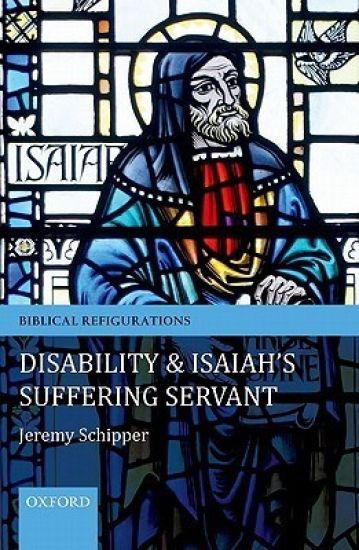
Disability and Isaiah's Suffering Servant

Disability and Isaiah's Suffering Servant

Jeremy Schipper

Oxford University Press
2011
sidottu
Although disability imagery is ubiquitous in the Hebrew Bible, characters with disabilities are not. The presence of the former does not guarantee the presence of the later. While interpreters explain away disabilities in specific characters, they celebrate the rhetorical contributions that disability imagery makes to the literary artistry of biblical prose and poetry, often as a trope to describe the suffering or struggles of a presumably nondisabled person or community. This situation contributes to the appearance (or illusion) of a Hebrew Bible that uses disability as a rich literary trope while disavowing the presence of figures or characters with disabilities. Isaiah 53 provides a wonderful example of this dynamic at work. The "Suffering Servant" figure in Isaiah 53 has captured the imagination of readers since very early in the history of biblical interpretation. Most interpreters understand the servant as an otherwise able bodied person who suffers. By contrast, Jeremy Schipper's study shows that Isaiah 53 describes the servant with language and imagery typically associated with disability in the Hebrew Bible and other ancient Near Eastern literature. Informed by recent work in disability studies from across the humanities, it traces both the disappearance of the servant's disability from the interpretative history of Isaiah 53 and the scholarly creation of the able bodied suffering servant.
Disability and Isaiah's Suffering Servant

Disability and Isaiah's Suffering Servant

Jeremy Schipper

Oxford University Press
2011
nidottu
Although disability imagery is ubiquitous in the Hebrew Bible, characters with disabilities are not. The presence of the former does not guarantee the presence of the later. While interpreters explain away disabilities in specific characters, they celebrate the rhetorical contributions that disability imagery makes to the literary artistry of biblical prose and poetry, often as a trope to describe the suffering or struggles of a presumably nondisabled person or community. This situation contributes to the appearance (or illusion) of a Hebrew Bible that uses disability as a rich literary trope while disavowing the presence of figures or characters with disabilities. Isaiah 53 provides a wonderful example of this dynamic at work. The "Suffering Servant" figure in Isaiah 53 has captured the imagination of readers since very early in the history of biblical interpretation. Most interpreters understand the servant as an otherwise able bodied person who suffers. By contrast, Jeremy Schipper's study shows that Isaiah 53 describes the servant with language and imagery typically associated with disability in the Hebrew Bible and other ancient Near Eastern literature. Informed by recent work in disability studies from across the humanities, it traces both the disappearance of the servant's disability from the interpretative history of Isaiah 53 and the scholarly creation of the able bodied suffering servant.
Ruth

Ruth

Jeremy Schipper

Yale University Press
2016
sidottu
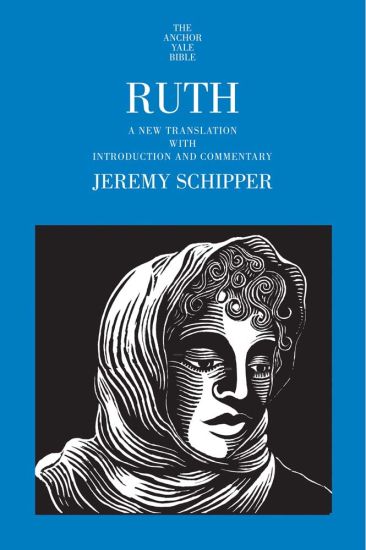
In recent years, students, scholars, and lay readers of the Bible have been increasingly drawn to the book of Ruth. Delving deeply into the complicated nature of its characters’ relationships, Jeremy Schipper encourages readers to consider the roles that categories of difference involving gender, disability, household status, ethnicity, and sexual desire play throughout the text. This fresh translation of the deceptively simple book is more literal and less idiosyncratic than its predecessors. Combining the traditional strengths of the Anchor Yale Bible series with the latest research in biblical scholarship, Schipper’s much-needed volume will succeed Edward F. Campbell’s 1975 edition as the go-to commentary for years to come.
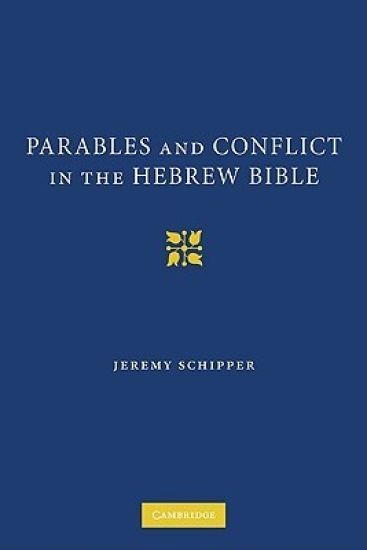
Parables and Conflict in the Hebrew Bible

Parables and Conflict in the Hebrew Bible

Jeremy Schipper

Cambridge University Press
2009
sidottu
Parables and Conflict in the Hebrew Bible examines the intimate relationship between parables and conflict in the Hebrew Bible. Challenging the scholarly consensus, Jeremy Schipper argues that parables do not function as appeals to change their audience's behavior. Nor do they serve to diffuse tensions in regards to the various conflicts in which their audiences are involved. Rather, the parables function to help create, intensify, and justify judgments and hostile actions against their audiences. In order to examine how the parables accomplish these functions, this book pays particular attention to issues of genre and recent developments in genre theory, shifting the central issues in the interpretation of Hebrew Bible parables.
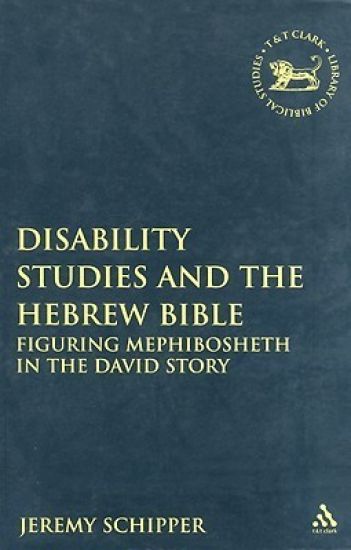
Disability Studies and the Hebrew Bible

Disability Studies and the Hebrew Bible

Jeremy Schipper

T. T.Clark Ltd
2009
nidottu
This unique interdisciplinary book uses a fresh approach to explore issues of disability in the Hebrew Bible. It examines how disability functions in the David Story (1 Samuel 16; 1 Kings 2) by paying special attention to Mephibosheth, the only biblical character with a disability as a sustained character trait. The David Story contains some of the Bible's most striking images of disability.Nonetheless, interpreters tend to focus on legal material rather than narratives when studying disability in the Hebrew Bible. Often, they neglect the David Story's complex use of disability. They overlook its use of disability imagery as open to critical interpretation because its stereotypical meanings may seem so commonplace and transparent. Yet recent work in the burgeoning field of disability studies presents disability as a complicated motif that demands more critical engagement than it typically receives.Informed by exciting developments in the field, it argues that the David Story employs disability imagery as a subtle mode of narrating and organizing various ideological positions regarding national identity.
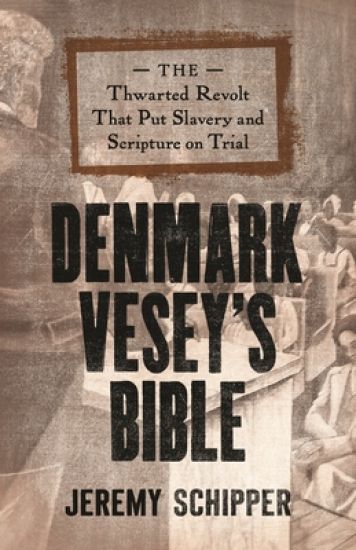
Denmark Vesey's Bible

Denmark Vesey's Bible

Jeremy Schipper

PRINCETON UNIVERSITY PRESS
2022
sidottu
A timely and provocative account of the Bible’s role in one of the most consequential episodes in the history of slaveryOn July 2, 1822, Denmark Vesey, a formerly enslaved man, was hanged in Charleston, South Carolina. He was convicted of plotting what might have been the largest insurrection against slaveholders in US history. Witnesses claimed that Vesey appealed to numerous biblical texts to promote and justify the revolt. While sentencing Vesey to death, Lionel Henry Kennedy, a magistrate at the trial, accused Vesey not only of treason but also of “attempting to pervert the sacred words of God into a sanction for crimes of the blackest hue.” Denmark Vesey’s Bible tells the story of this momentous trial, examining the role of scriptural interpretation in the deadly struggle against American white supremacy and its brutal enforcement.Jeremy Schipper brings the trial and its aftermath vividly to life, drawing on court documents, personal letters, sermons, speeches, and editorials. He shows how Vesey compared people of African descent with enslaved Israelites in the Bible, while his accusers portrayed plantation owners as benevolent biblical patriarchs responsible for providing religious instruction to the enslaved. What emerges is an explosive portrait of an antebellum city in the grips of racial terror, violence, and contending visions of biblical truth.Shedding light on the uses of scripture in America’s troubled racial history, Denmark Vesey’s Bible draws vital lessons from a terrible moment in the nation’s past, enabling us to confront racism and religious discord today with renewed urgency and understanding.
Denmark Vesey's Bible

Denmark Vesey's Bible

Jeremy Schipper

PRINCETON UNIVERSITY PRESS
2024
pokkari
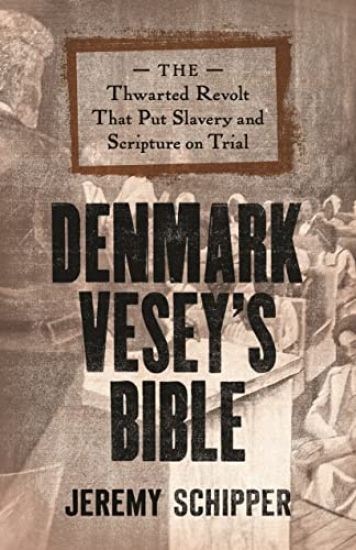
A timely and provocative account of the Bible’s role in one of the most consequential episodes in the history of slaveryOn July 2, 1822, Denmark Vesey, a formerly enslaved man, was hanged in Charleston, South Carolina. He was convicted of plotting what might have been the largest insurrection against slaveholders in US history. Witnesses claimed that Vesey appealed to numerous biblical texts to promote and justify the revolt. While sentencing Vesey to death, Lionel Henry Kennedy, a magistrate at the trial, accused Vesey not only of treason but also of “attempting to pervert the sacred words of God into a sanction for crimes of the blackest hue.” Denmark Vesey’s Bible tells the story of this momentous trial, examining the role of scriptural interpretation in the deadly struggle against American white supremacy and its brutal enforcement.Jeremy Schipper brings the trial and its aftermath vividly to life, drawing on court documents, personal letters, sermons, speeches, and editorials. He shows how Vesey compared people of African descent with enslaved Israelites in the Bible, while his accusers portrayed plantation owners as benevolent biblical patriarchs responsible for providing religious instruction to the enslaved. What emerges is an explosive portrait of an antebellum city in the grips of racial terror, violence, and contending visions of biblical truth.Shedding light on the uses of scripture in America’s troubled racial history, Denmark Vesey’s Bible draws vital lessons from a terrible moment in the nation’s past, enabling us to confront racism and religious discord today with renewed urgency and understanding.