Kirjojen hintavertailu. Mukana 11 699 587 kirjaa ja 12 kauppaa.

Kirjahaku

Etsi kirjoja tekijän nimen, kirjan nimen tai ISBN:n perusteella.

4 kirjaa tekijältä Jessica Pressman

Digital Modernism

Digital Modernism

Jessica Pressman

Oxford University Press Inc
2014
sidottu
Digital Modernism examines how and why some of the most innovative works of online electronic literature adapt and allude to literary modernism. Digital literature has been celebrated as a postmodern form that grows out of contemporary technologies, subjectivities, and aesthetics, but this book provides an alternative genealogy. Exemplary cases show electronic literature looking back to modernism for inspiration and source material (in content, form, and ideology) through which to critique contemporary culture. In so doing, this literature renews and reframes, rather than rejects, a literary tradition that it also reconfigures to center around media. To support her argument, Pressman pairs modernist works by Pound, Joyce, and Bob Brown, with major digital works like William Poundstone's "Project for the Tachistoscope: [Bottomless Pit]" (2005), Young-hae Chang Heavy Industries's Dakota, and Judd Morrissey's The Jew's Daughter. With each pairing, she demonstrates how the modernist movement of the 1920s and 1930s laid the groundwork for the innovations of electronic literature. In sum, the study situates contemporary digital literature in a literary genealogy in ways that rewrite literary history and reflect back on literature's past, modernism in particular, to illuminate the crucial role that media played in shaping the ambitions and practices of that period.
Digital Modernism

Digital Modernism

Jessica Pressman

Oxford University Press Inc
2014
nidottu
Digital Modernism examines how and why some of the most innovative works of online electronic literature adapt and allude to literary modernism. Digital literature has been celebrated as a postmodern form that grows out of contemporary technologies, subjectivities, and aesthetics, but this book provides an alternative genealogy. Exemplary cases show electronic literature looking back to modernism for inspiration and source material (in content, form, and ideology) through which to critique contemporary culture. In so doing, this literature renews and reframes, rather than rejects, a literary tradition that it also reconfigures to center around media. To support her argument, Pressman pairs modernist works by Pound, Joyce, and Bob Brown, with major digital works like William Poundstone's "Project for the Tachistoscope: [Bottomless Pit]" (2005), Young-hae Chang Heavy Industries's Dakota, and Judd Morrissey's The Jew's Daughter. With each pairing, she demonstrates how the modernist movement of the 1920s and 1930s laid the groundwork for the innovations of electronic literature. In sum, the study situates contemporary digital literature in a literary genealogy in ways that rewrite literary history and reflect back on literature's past, modernism in particular, to illuminate the crucial role that media played in shaping the ambitions and practices of that period.
Bookishness

Bookishness

Jessica Pressman

Columbia University Press
2020
sidottu
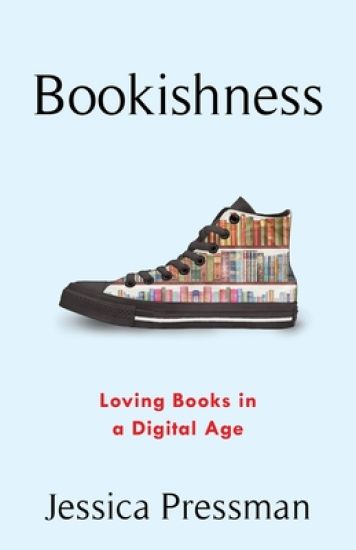
Twenty-first-century culture is obsessed with books. In a time when many voices have joined to predict the death of print, books continue to resurface in new and unexpected ways. From the proliferation of “shelfies” to Jane Austen–themed leggings and from decorative pillows printed with beloved book covers to bookwork sculptures exhibited in prestigious collections, books are everywhere and are not just for reading. Writers have caught up with this trend: many contemporary novels depict books as central characters or fetishize paper and print thematically and formally.In Bookishness, Jessica Pressman examines the new status of the book as object and symbol. She explores the rise of “bookishness” as an identity and an aesthetic strategy that proliferates from store-window décor to experimental writing. Ranging from literature to kitsch objects, stop-motion animation films to book design, Pressman considers the multivalent meanings of books in contemporary culture. Books can represent shelter from—or a weapon against—the dangers of the digital; they can act as memorials and express a sense of loss. Examining the works of writers such as Jonathan Safran Foer, Jennifer Egan, Mark Z. Danielewski, and Leanne Shapton, Pressman illuminates the status of the book as a fetish object and its significance for understanding contemporary fakery. Bringing together media studies, book history, and literary criticism, Bookishness explains how books still give meaning to our lives in a digital age.
Bookishness

Bookishness

Jessica Pressman

Columbia University Press
2020
pokkari
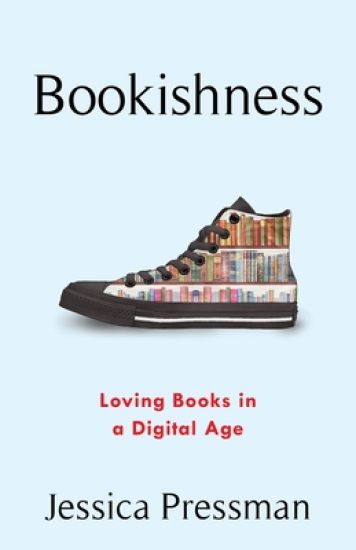
Twenty-first-century culture is obsessed with books. In a time when many voices have joined to predict the death of print, books continue to resurface in new and unexpected ways. From the proliferation of “shelfies” to Jane Austen–themed leggings and from decorative pillows printed with beloved book covers to bookwork sculptures exhibited in prestigious collections, books are everywhere and are not just for reading. Writers have caught up with this trend: many contemporary novels depict books as central characters or fetishize paper and print thematically and formally.In Bookishness, Jessica Pressman examines the new status of the book as object and symbol. She explores the rise of “bookishness” as an identity and an aesthetic strategy that proliferates from store-window décor to experimental writing. Ranging from literature to kitsch objects, stop-motion animation films to book design, Pressman considers the multivalent meanings of books in contemporary culture. Books can represent shelter from—or a weapon against—the dangers of the digital; they can act as memorials and express a sense of loss. Examining the works of writers such as Jonathan Safran Foer, Jennifer Egan, Mark Z. Danielewski, and Leanne Shapton, Pressman illuminates the status of the book as a fetish object and its significance for understanding contemporary fakery. Bringing together media studies, book history, and literary criticism, Bookishness explains how books still give meaning to our lives in a digital age.