Kirjojen hintavertailu. Mukana 11 699 587 kirjaa ja 12 kauppaa.

Kirjahaku

Etsi kirjoja tekijän nimen, kirjan nimen tai ISBN:n perusteella.

5 kirjaa tekijältä Jill Burke

Changing Patrons

Changing Patrons

Jill Burke

Pennsylvania State University Press
2004
sidottu
To whom should we ascribe the great flowering of the arts in Renaissance Italy? Artists like Botticelli and Michelangelo? Or wealthy, discerning patrons like Cosimo de' Medici? In recent years, scholars have attributed great importance to the role played by patrons, arguing that some should even be regarded as artists in their own right. This approach receives sharp challenge in Jill Burke's Changing Patrons, a book that draws heavily upon the author's discoveries in Florentine archives, tracing the many profound transformations in patrons' relations to the visual world of fifteenth-century Florence. Looking closely at two of the city's upwardly mobile families, Burke demonstrates that they approached the visual arts from within a grid of social, political, and religious concerns. Art for them often served as a mediator of social difference and a potent means of signifying status and identity.Changing Patrons combines visual analysis with history and anthropology to propose new interpretations of the art created by, among others, Botticelli, Filippino Lippi, and Raphael. Genuinely interdisciplinary, the book also casts light on broad issues of identity, power relations, and the visual arts in Florence, the cradle of the Renaissance.
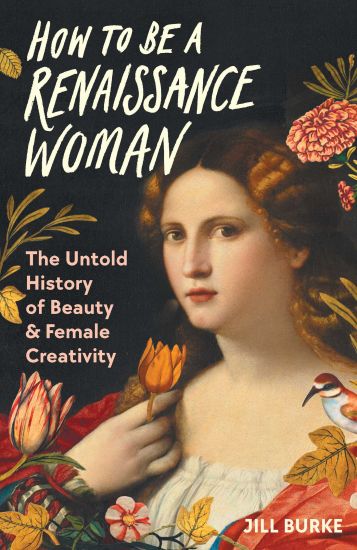
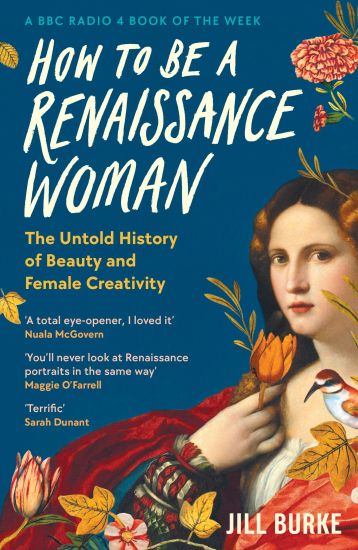
How to Be a Renaissance Woman: The Untold History of Beauty & Female Creativity
An alternative history of the Renaissance--as seen through the emerging literature of beauty tips--focusing on the actresses, authors, and courtesans who rebelled against the misogyny of their era. Beauty, make-up, art, power: How to Be a Renaissance Woman presents an alternative history of this fascinating period as told by the women behind the paintings, providing a window into their often overlooked or silenced lives. Can the pressures women feel to look good be traced back to the sixteenth century? As the Renaissance visual world became populated by female nudes from the likes of Michelangelo and Titian, a vibrant literary scene of beauty tips emerged, fueling debates about cosmetics and adornment. Telling the stories of courtesans, artists, actresses, and writers rebelling against the strictures of their time, when burgeoning colonialism gave rise to increasingly sinister evaluations of bodies and skin color, this book puts beauty culture into the frame. How to Be a Renaissance Woman will take readers from bustling Italian market squares, the places where the poorest women and immigrant communities influenced cosmetic products and practices, to the highest echelons of Renaissance society, where beauty could be a powerful weapon in securing strategic marriages and family alliances. It will investigate how skin-whitening practices shifted in step with the emerging sub-Saharan African slave trade, how fads for fattening and thinning diets came and went, and how hairstyles and fashion could be a tool for dissent and rebellion--then as now. This surprising and illuminating narrative will make you question your ideas about your own body, and ask: Why are women often so critical of their appearance? What do we stand to lose, but also to gain, from beauty culture? What is the relationship between looks and power?
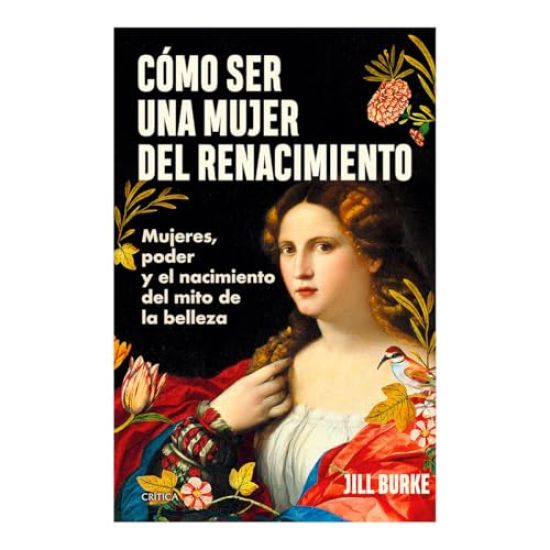
Cómo Ser Una Mujer del Renacimiento: Mujeres, Poder Y El Nacimiento del Mito de la Belleza / How to Be a Renaissance Woman
Una historia alternativa del Renacimiento contada por las mujeres detr s de las pinturas.Belleza, maquillaje, arte, poder: C mo ser una mujer en el Renacimiento presenta una historia alternativa de este fascinante per odo contada por las mujeres detr s de las pinturas.El Renacimiento fue una poca obsesionada por las apariencias: el mundo visual se pobl de desnudos de la mano de artistas como Miguel ngel y Tiziano y emergi una vibrante escena literaria alrededor de consejos de belleza, cosm ticos y adornos. Jill Burke nos lleva desde las bulliciosas plazas del mercado italiano hasta los niveles m s altos de la sociedad renacentista para acercarnos a las vidas de cortesanas, artistas, actrices y escritoras que se labraron un espacio propio, as como aquellas que ganaron poder e influencia en el despiadado mundo de la corte o las que se rebelaron contra las restricciones de su poca en un momento en el que las valoraciones sobre los cuerpos y el color de la piel estaban en el punto de mira debido al contexto colonial.Esta v vida exploraci n de la vida ntima de las mujeres renacentistas nos invita a cuestionar las ideas de tenemos sobre nuestro propio cuerpo a la vez que desentra a los or genes de los ideales de belleza que todav a nos acompa an en la actualidad. Nunca ver s los retratos del Renacimiento de la misma manera. Maggie O'Farrell, autora de Hamnet y El retrato de casadaENGLISH DESCRIPTIONAn alternative history of the Renaissance--as seen through the emerging literature of beauty tips--focusing on the actresses, authors, and courtesans who rebelled against the misogyny of their era. Beauty, make-up, art, power: How to Be a Renaissance Woman presents an alternative history of this fascinating period as told by the women behind the paintings, providing a window into their often overlooked or silenced lives. Can the pressures women feel to look good be traced back to the sixteenth century? As the Renaissance visual world became populated by female nudes from the likes of Michelangelo and Titian, a vibrant literary scene of beauty tips emerged, fueling debates about cosmetics and adornment. Telling the stories of courtesans, artists, actresses, and writers rebelling against the strictures of their time, when burgeoning colonialism gave rise to increasingly sinister evaluations of bodies and skin color, this book puts beauty culture into the frame. How to Be a Renaissance Woman will take readers from bustling Italian market squares, the places where the poorest women and immigrant communities influenced cosmetic products and practices, to the highest echelons of Renaissance society, where beauty could be a powerful weapon in securing strategic marriages and family alliances. It will investigate how skin-whitening practices shifted in step with the emerging sub-Saharan African slave trade, how fads for fattening and thinning diets came and went, and how hairstyles and fashion could be a tool for dissent and rebellion--then as now. This surprising and illuminating narrative will make you question your ideas about your own body, and ask: Why are women often so critical of their appearance? What do we stand to lose, but also to gain, from beauty culture? What is the relationship between looks and power?