Kirjojen hintavertailu. Mukana 11 244 527 kirjaa ja 12 kauppaa.

Kirjahaku

Etsi kirjoja tekijän nimen, kirjan nimen tai ISBN:n perusteella.

4 kirjaa tekijältä Jill Watts

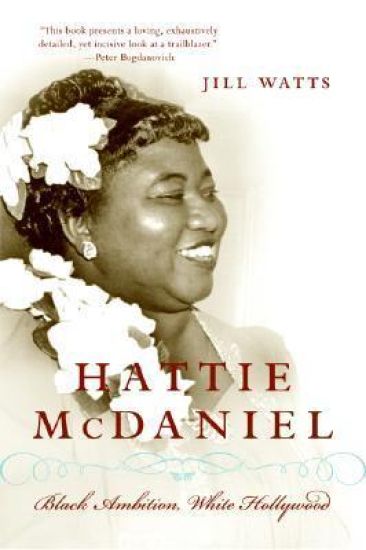
Hattie McDaniel

Hattie McDaniel

Jill Watts

HARPERCOLLINS PUBLISHERS INC
2007
nidottu
An exploration of Hollywood racism as reflected in the life and career of the actress best known for her portrayal of "Mammy" in Gone with the Wind describes her denigration in spite of her Oscar-winning performance, her controversial decision to stick to stereotypical roles, and her successful efforts to integrate a Los Angeles neighborhood. Reprint.
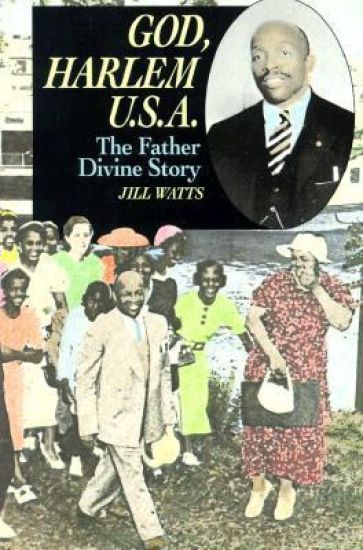
God, Harlem U.S.A.

God, Harlem U.S.A.

Jill Watts

University of California Press
1995
pokkari
How did an African-American man born in a ghetto in 1879 rise to such religious prominence that his followers addressed letters to him simply "God, Harlem U.S.A."? Using hitherto unknown materials, Jill Watts portrays the life and career of one of the twentieth century's most intriguing religious leaders, Father Divine. Starting as an itinerant preacher, Father Divine built an unprecedented movement that by the 1930s had attracted followers across the nation and around the world. As his ministry grew, so did the controversy surrounding his enormous wealth, flamboyant style, and committed "angels"--black and white, rich and poor alike. Here for the first time a full account of Father Divine's childhood and early years challenges previous contentions that he was born into a sharecropping family in the deep South. While earlier biographers have concentrated on Father Divine's social and economic programs, Watts focuses on his theology, which gives new meaning to secular activities that often appeared contradictory. Although much has been written about Father Divine, God, Harlem U.S.A. finally provides a balanced and intimate account of his life's work.
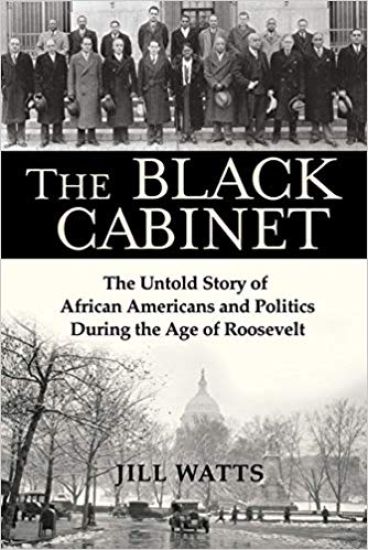
The Black Cabinet

The Black Cabinet

Jill Watts

Black Cat
2020
sidottu
A magnificently researched, dramatically told work of narrative nonfiction about the history, evolution, impact, and ultimate demise of what was known in the 1930s and 1940s as President Franklin Delano Roosevelt's Black Cabinet.In 1932 in the midst of the Great Depression, Franklin Delano Roosevelt won the presidency with the help of key African American defectors from the Republican Party. At the time, most African Americans lived in poverty, denied citizenship rights and terrorized by white violence. As the New Deal began, a "black Brain Trust" joined the administration and began documenting and addressing the economic hardship and systemic inequalities African Americans faced. They became known as the Black Cabinet, but the environment they faced was reluctant, often hostile, to change."Will the New Deal be a square deal for the Negro?" The black press wondered. The Black Cabinet set out to devise solutions to the widespread exclusion of black people from its programs, whether by inventing tools to measure discrimination or by calling attention to the administration's failures. Led by Mary McLeod Bethune, an educator and friend of Eleanor Roosevelt, they were instrumental to Roosevelt's continued success with black voters. Operating mostly behind the scenes, they helped push Roosevelt to sign an executive order that outlawed discrimination in the defense industry. They saw victories--jobs and collective agriculture programs that lifted many from poverty--and defeats--the bulldozing of black neighborhoods to build public housing reserved only for whites; Roosevelt's refusal to get behind federal anti-lynching legislation. The Black Cabinet never won official recognition from the president, and with his death, it disappeared from view. But it had changed history. Eventually, one of its members would go on to be the first African American Cabinet secretary; another, the first African American federal judge and mentor to Thurgood Marshall.Masterfully researched and dramatically told, The Black Cabinet brings to life a forgotten generation of leaders who fought post-Reconstruction racial apartheid and whose work served as a bridge that Civil Rights activists traveled to achieve the victories of the 1950s and '60s.
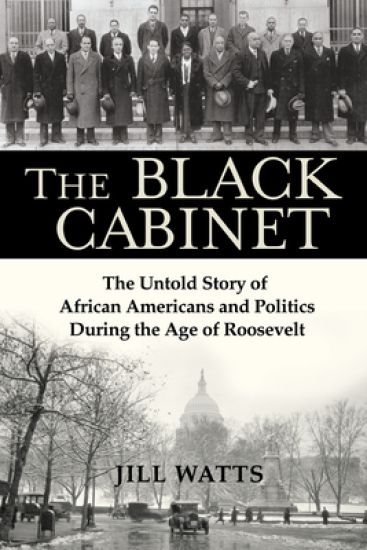
The Black Cabinet

The Black Cabinet

Jill Watts

Black Cat
2021
nidottu
A magnificently researched, dramatically told work of narrative nonfiction about the history, evolution, impact, and ultimate demise of what was known in the 1930s and 1940s as President Franklin Delano Roosevelt's Black Cabinet.In 1932 in the midst of the Great Depression, Franklin Delano Roosevelt won the presidency with the help of key African American defectors from the Republican Party. At the time, most African Americans lived in poverty, denied citizenship rights and terrorized by white violence. As the New Deal began, a "black Brain Trust" joined the administration and began documenting and addressing the economic hardship and systemic inequalities African Americans faced. They became known as the Black Cabinet, but the environment they faced was reluctant, often hostile, to change."Will the New Deal be a square deal for the Negro?" The black press wondered. The Black Cabinet set out to devise solutions to the widespread exclusion of black people from its programs, whether by inventing tools to measure discrimination or by calling attention to the administration's failures. Led by Mary McLeod Bethune, an educator and friend of Eleanor Roosevelt, they were instrumental to Roosevelt's continued success with black voters. Operating mostly behind the scenes, they helped push Roosevelt to sign an executive order that outlawed discrimination in the defense industry. They saw victories--jobs and collective agriculture programs that lifted many from poverty--and defeats--the bulldozing of black neighborhoods to build public housing reserved only for whites; Roosevelt's refusal to get behind federal anti-lynching legislation. The Black Cabinet never won official recognition from the president, and with his death, it disappeared from view. But it had changed history. Eventually, one of its members would go on to be the first African American Cabinet secretary; another, the first African American federal judge and mentor to Thurgood Marshall.Masterfully researched and dramatically told, The Black Cabinet brings to life a forgotten generation of leaders who fought post-Reconstruction racial apartheid and whose work served as a bridge that Civil Rights activists traveled to achieve the victories of the 1950s and '60s.