Kirjojen hintavertailu. Mukana 11 632 707 kirjaa ja 12 kauppaa.

Kirjahaku

Etsi kirjoja tekijän nimen, kirjan nimen tai ISBN:n perusteella.

4 kirjaa tekijältä Jilly Traganou

The Tôkaidô Road

The Tôkaidô Road

Jilly Traganou

Routledge
2003
sidottu
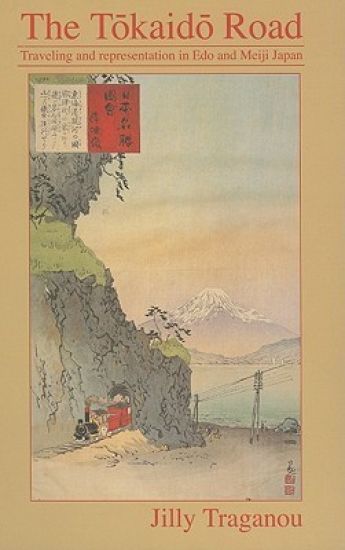
The Tôkaidô Road offers a comparative study of the Tôkaidô road's representations during the Edo (1600-1868) and Meiji (1868-1912) eras. Throughout the Edo era, the Tôkaidô highway was the most important route of Japan and transportation was confined to foot travel. In 1889, the Tôkaidô Railway was established, at first paralleling and eventually almost eliminating the use of the highway. During both periods, the Tôkaidô was a popular topic of representation and was depicted in a variety of visual and literary media. After the installation of the railway in the Meiji era, the Tôkaidô was presented as a landscape of progress, modernity and westernisation. Such representations were fundamental in shaping the Tôkaidô and the realm of travelling in the collective consciousness of the Japanese people.

The Tôkaidô Road

The Tôkaidô Road

Jilly Traganou

Routledge
2011
nidottu
The Tôkaidô Road offers a comparative study of the Tôkaidô road's representations during the Edo (1600-1868) and Meiji (1868-1912) eras. Throughout the Edo era, the Tôkaidô highway was the most important route of Japan and transportation was confined to foot travel. In 1889, the Tôkaidô Railway was established, at first paralleling and eventually almost eliminating the use of the highway. During both periods, the Tôkaidô was a popular topic of representation and was depicted in a variety of visual and literary media. After the installation of the railway in the Meiji era, the Tôkaidô was presented as a landscape of progress, modernity and westernisation. Such representations were fundamental in shaping the Tôkaidô and the realm of travelling in the collective consciousness of the Japanese people.

Designing the Olympics

Designing the Olympics

Jilly Traganou

Routledge
2016
sidottu
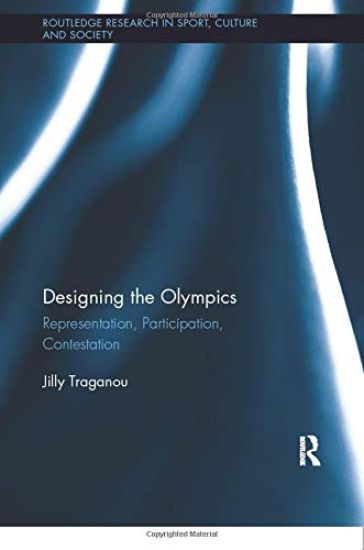
Designing the Olympics claims that the Olympic Games provide opportunities to reflect on the relationship between design, national identity, and citizenship. The "Olympic design milieu" fans out from the construction of the Olympic city and the creation of emblems, mascots, and ceremonies, to the consumption, interpretation, and appropriation of Olympic artifacts from their conception to their afterlife. Besides products that try to achieve consensus and induce civic pride, the "Olympic design milieu" also includes processes that oppose the Olympics and their enforcement.The book examines the graphic design program for Tokyo 1964, architecture and urban plans for Athens 2004, brand design for London 2012, and practices of subversive appropriation and sociotechnical action in counter-Olympic movements since the 1960s. It explores how the Olympics shape the physical, legal and emotional contours of a host nation and its position in the world; how the Games are contested by a broader social spectrum within and beyond the nation; and how, throughout these encounters, design plays a crucial role. Recognizing the presence of multiple actors, the book investigates the potential of design in promoting equitable political participation in the Olympic context.
Designing the Olympics

Designing the Olympics

Jilly Traganou

CRC Press Inc
2017
nidottu
Designing the Olympics claims that the Olympic Games provide opportunities to reflect on the relationship between design, national identity, and citizenship. The "Olympic design milieu" fans out from the construction of the Olympic city and the creation of emblems, mascots, and ceremonies, to the consumption, interpretation, and appropriation of Olympic artifacts from their conception to their afterlife. Besides products that try to achieve consensus and induce civic pride, the "Olympic design milieu" also includes processes that oppose the Olympics and their enforcement.The book examines the graphic design program for Tokyo 1964, architecture and urban plans for Athens 2004, brand design for London 2012, and practices of subversive appropriation and sociotechnical action in counter-Olympic movements since the 1960s. It explores how the Olympics shape the physical, legal and emotional contours of a host nation and its position in the world; how the Games are contested by a broader social spectrum within and beyond the nation; and how, throughout these encounters, design plays a crucial role. Recognizing the presence of multiple actors, the book investigates the potential of design in promoting equitable political participation in the Olympic context.