Kirjojen hintavertailu. Mukana 12 390 323 kirjaa ja 12 kauppaa.

Kirjahaku

Etsi kirjoja tekijän nimen, kirjan nimen tai ISBN:n perusteella.

4 kirjaa tekijältä Jinqi Ling

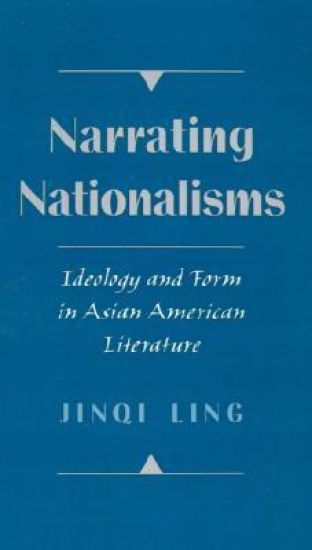
Narrating Nationalisms

Narrating Nationalisms

Jinqi Ling

Oxford University Press Inc
1998
sidottu
This book rereads five major works by John Okada, Louis Chu, Frank Chin, and Maxine Hong Kingston in order to reconceptualize the relationship between the past and present of postwar Asian American literary history. Drawing on work in cultural studies, postmodern and poststructuralist theory, social history, and neo-pragmatism, Ling offers fresh perspectives on the cultural politics and formal strategies of texts too often seen in recent criticism as devoid of complexities and fraught with totalizing implications. In challenging uncritical adoption of posthumanist views of history, agency, and identity in Asian American cultural criticism, this pioneering book opens an approach to Asian American literary texts that simultaneously registers their rich specificity and relatedness to works before and after.
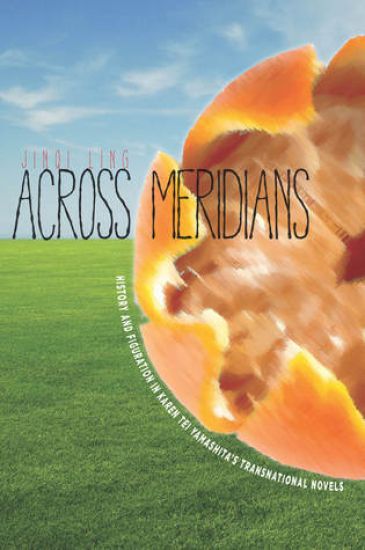
Across Meridians

Across Meridians

Jinqi Ling

Stanford University Press
2012
sidottu
Over the course of the last two decades, novelist Karen Tei Yamashita has reshaped the Asian American literary imagination in profound ways. In Across Meridians, Jinqi Ling offers readers the most critically engaged examination to date of Yamashita's literary corpus. Crafted at the intersection of intellectual history, ethnic studies, literary analysis, and critical theory, Ling's study goes beyond textual investigation to intervene in larger debates over postmodern representation, spatial materialism, historical form, and social and academic activism. Arguing that Yamashita's most important contribution is her incorporation of a North-South vector into the East-West conceptual paradigm, Ling highlights the novelist's re-prioritization, through such a geographical realignment, of socio-economic concerns for Asian American literary criticism. In assessing Yamashita's works as such, Ling designates her novelistic art as a form of new Asian American literary avant-garde that operates from the peripheries of received histories, aesthetics, and disciplines. Seeking not only to demonstrate the importance of Yamashita's transnational art, Ling sets new terms for ongoing dialogues in Asian American literary and cultural criticism. At the same time, he argues for the continuing relevance of Asian American literature as a self-reflexive and self-renewable critical practice.
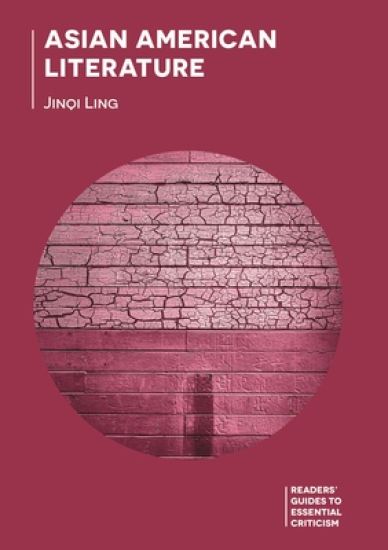
Asian American Literature

Asian American Literature

Jinqi Ling

BLOOMSBURY PUBLISHING PLC
2022
nidottu
This book introduces Asian American literary studies by engaging the conditions, contingencies, and immediate and long-term effects of its major debates. Two rationales inform Ling’s presentation of the field in this way: first is a felt need to provide recognizable contours and trajectories for the evolution of Asian American criticism as an ethnic-specific minoritarian formation in the United States; second is an imperative to historicize its practices - including polemics, controversies, and ideological ruptures - as an ongoing negotiation undertaken by Asian American critics for a more self-conscious and more adequate representation of the field’s interests. These rationales are fully contextualized in the book’s Introduction and Conclusion. The main body of this study is organized non-chronologically into 8 chapters, with each designed to reflect how the field has been energized by its demographic transformation, its growing intellectual heterogeneity, its defining moments, and its cross-cutting relationship with the trends in other disciplines. What has emerged and been given prominence to in the surveys and discussions of this book then constitute the essential criticism of Asian American literary studies, a discourse almost 5 decades in the making when examined retrospectively.
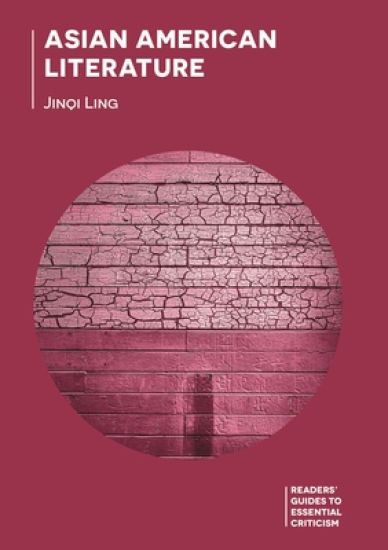
Asian American Literature

Asian American Literature

Jinqi Ling

BLOOMSBURY PUBLISHING PLC
2022
sidottu
This book introduces Asian American literary studies by engaging the conditions, contingencies, and immediate and long-term effects of its major debates. Two rationales inform Ling’s presentation of the field in this way: first is a felt need to provide recognizable contours and trajectories for the evolution of Asian American criticism as an ethnic-specific minoritarian formation in the United States; second is an imperative to historicize its practices - including polemics, controversies, and ideological ruptures - as an ongoing negotiation undertaken by Asian American critics for a more self-conscious and more adequate representation of the field’s interests. These rationales are fully contextualized in the book’s Introduction and Conclusion. The main body of this study is organized non-chronologically into 8 chapters, with each designed to reflect how the field has been energized by its demographic transformation, its growing intellectual heterogeneity, its defining moments, and its cross-cutting relationship with the trends in other disciplines. What has emerged and been given prominence to in the surveys and discussions of this book then constitute the essential criticism of Asian American literary studies, a discourse almost 5 decades in the making when examined retrospectively.