Kirjojen hintavertailu. Mukana 11 244 527 kirjaa ja 12 kauppaa.

Kirjahaku

Etsi kirjoja tekijän nimen, kirjan nimen tai ISBN:n perusteella.

8 kirjaa tekijältä Jochen Hellbeck

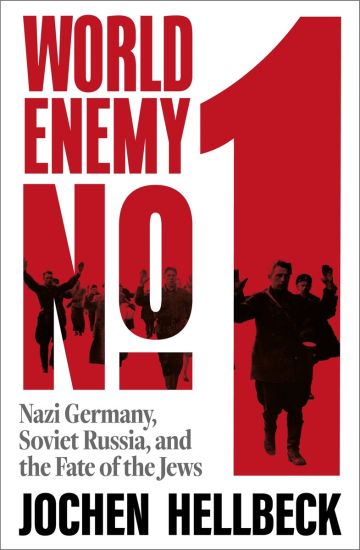
World Enemy No. 1: Nazi Germany, Soviet Russia, and the Fate of the Jews
A major new history that transforms our understanding of World War II--tracing the conflict and its most infamous crime, the Holocaust, to Germany's implacable hostility toward Soviet Russia In the West, World War II is commonly understood as the Allies' struggle against Nazism. Often elided, if not simply forgotten, is the Soviet Union's crucial role in that fight. With this book, acclaimed historian Jochen Hellbeck rectifies this omission by relocating the ideological core of the conflict. It was not the Western powers but Communist Russia that Nazi Germany viewed as an existential threat--in fact, "World Enemy No. 1." Jewish revolutionaries, the Nazis believed, had seized power in 1917 and were preparing the Soviet state to destroy Germany and the world. And so, on June 22, 1941, a German army of three million attacked the Soviet Union to exterminate "Judeo-Bolshevism," Hitler's cardinal obsession. While Europe's Jews were expelled, exiled, and persecuted by the Nazis, Soviet Jews were immediately slated for elimination. The Soviet lands thus became ground zero for systematic extermination, which was only later extended to all Jews, igniting the Holocaust. Hellbeck plumbs newly declassified archives and previously undiscovered sources--testimonies, diaries, and dispatches from soldiers and civilians, Soviet and German--to offer a unique history that takes account of both sides. He reconstructs the years leading up to the war when "Europe against Bolshevism" was the Nazis' most fervid rallying cry, and documents their annihilatory ambitions on the battlegrounds in the East. Widely disseminated accounts of German atrocities mobilized millions of Soviet citizens to join a people's war against the hated invaders. Hellbeck tracks the desire for revenge that drove the Red Army on its path of reconquest, an advance that further inflamed the belief in a murderous "Bolshevik Jew," stirring the Germans to fight to the bitter end. Recounted here in vivid detail are the events at Babi Yar, the Battle of Stalingrad, the liberation of the concentration camps, and the arrival of the Red Army in the Nazi capital. Finally, Hellbeck reckons with the West's persistent disregard of the Soviet Union's incalculable contribution to winning the war--and its sacrifice of twenty-six million citizens--as anti-communism and the Cold War turned erstwhile allies into mortal enemies. Hellbeck's eye-opening work is an astonishing new reading of both the Second World War and how its history has been told.
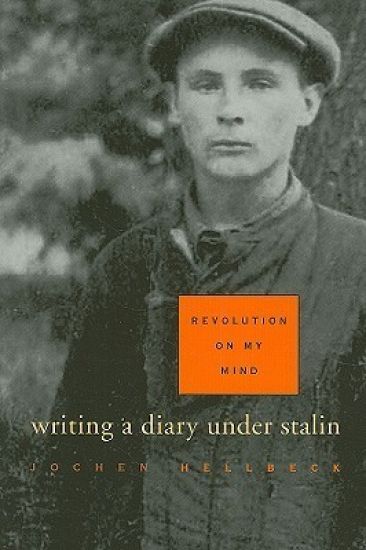
Revolution on My Mind

Revolution on My Mind

Jochen Hellbeck

Harvard University Press
2009
nidottu
Revolution on My Mind is a stunning revelation of the inner world of Stalin’s Russia. We see into the minds and hearts of Soviet citizens who recorded their lives during an extraordinary period of revolutionary fervor and state terror. Writing a diary, like other creative expression, seems nearly impossible amid the fear and distrust of totalitarian rule; but as Jochen Hellbeck shows, diary-keeping was widespread, as individuals struggled to adjust to Stalin’s regime.Rather than protect themselves against totalitarianism, many men and women bent their will to its demands, by striving to merge their individual identities with the collective and by battling vestiges of the old self within. We see how Stalin’s subjects, from artists to intellectuals and from students to housewives, absorbed directives while endeavoring to fulfill the mandate of the Soviet revolution—re-creation of the self as a builder of the socialist society. Thanks to a newly discovered trove of diaries, we are brought face to face with individual life stories—gripping and unforgettably poignant.The diarists’ efforts defy our liberal imaginations and our ideals of autonomy and private fulfillment. These Soviet citizens dreamed differently. They coveted a morally and aesthetically superior form of life, and were eager to inscribe themselves into the unfolding revolution. Revolution on My Mind is a brilliant exploration of the forging of the revolutionary self, a study without precedent that speaks to the evolution of the individual in mass movements of our own time.
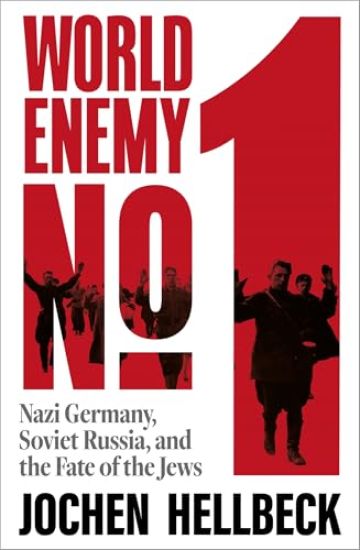
World Enemy No. 1

World Enemy No. 1

Jochen Hellbeck

PAN MACMILLAN
2025
nidottu
A major new history that transforms our understanding of the Second World War, tracing the conflict and its most infamous crime, the Holocaust, to Germany's deadly hostility towards Soviet Russia
World Enemy No. 1

World Enemy No. 1

Jochen Hellbeck

PAN MACMILLAN
2026
sidottu
In the Nazi imagination, the USSR was the most powerful Jewish organisation in the world. They called it ‘World Enemy No. 1.’The shocking number of Soviet citizens who lost their lives between 1941 and 1945 – 26 million, more than any other country – is widely known. But the faces and the voices of these victims of Nazism are conspicuously absent. In pathbreaking new work of history, Jochen Hellbeck restores the USSR to its proper place in the history of the Second World War, arguing that to truly understand the conflict, we must set its axis firmly in Soviet territory.It was not the Western powers but Communist Russia that Nazi Germany viewed as the greatest threat to its existence. The German crusade against ‘Judeo-Bolshevism’ was the driving force of the Nazis’ most extreme violence, and Soviet territory became ground zero for systematic extermination. Only later was this shocking regime of killing extended to all Jews, igniting the Holocaust.Using newly declassified archives, testimonies, diaries and dispatches from soldiers and civilians both Soviet and German, Hellbeck reveals the sheer, untold breadth of terror the Nazis inflicted. This eye-opening masterwork is an astonishing new reading both of the Second World War and of how its history has been told.
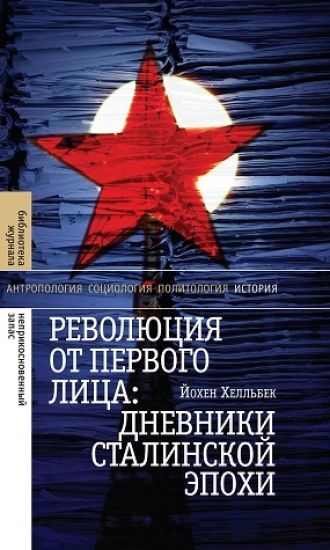
Revoljutsija ot pervogo litsa. Dnevniki stalinskoj epokhi

Revoljutsija ot pervogo litsa. Dnevniki stalinskoj epokhi

Jochen Hellbeck

Novoe literaturnoe obozrenie
2017
sidottu
Predstavlennyj v knige vzgljad na "sovetskogo cheloveka" pozvoljaet uvidet za etoj, kazalos by, pustoj ideologicheskoj formuloj mnozhestvo konkretnykh diskursivnykh praktik i biograficheskikh strategij, s pomoschju kotorykh sovetskie ljudi pytalis nadelit svoju zhizn smyslom, sootvetstvujuschim istoricheskim imperativam stalinskoj epokhi. Neposredstvennym predmetom issledovanija javljaetsja zhanr dnevnika, pozvolivshij prevratit ideologicheskie kriterii vremeni v faktor psikhologicheskogo stroitelstva sobstvennoj lichnosti. Geroi knigi - bezhavshie v gorod krestjane i predstaviteli gorodskoj intelligentsii, rabotavshie selskimi uchiteljami, inzhenery i pisateli - ispolzovali dnevnik kak sposob samonabljudenija i samovospitanija, prevraschaja suschestvujuschie kulturnye obraztsy v gorizont vnutrennego stanovlenija, delaja istoriju chastju svoego Ja.
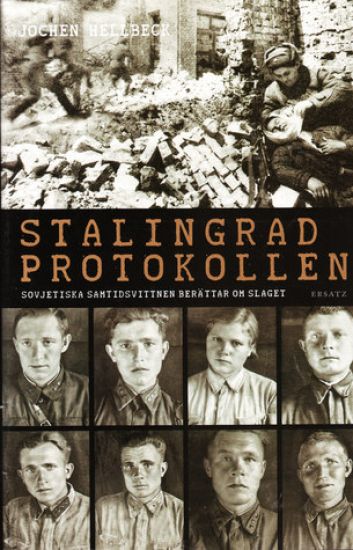
Stalingradprotokollen : sovjetiska samtidsvittnen berättar om slaget
»Det var andra världskrigets blodigaste slag - så brutalt att Röda armén hemligstämplade sanningen.« - The Independent Redan tidigt beslutade Röda armén att dokumentera andra världskriget. En historikerkommission tillsattes och i januari 1943 sändes tre historiker till Stalingrad. De intervjuade flyktingar, meniga rödarmister, befälhavare och tyska krigsfångar. I stridens larm berättade man ärligt och öppet om sina upplevelser, även om feghet och rädsla. Det digra intervjumaterialet visade sig emellertid oanvändbart som propaganda och när den judiske chefen för kommissionen fråntogs sin professorstitel under den sovjetiska efterkrigstidens antisemitiska kampanjer gömde han protokollen i en källare. Några historiker vårdade arkivet i hemlighet och nu, 70 år efter dess tillkomst, har den tyske historikern Jochen Hellbeck sammanställt de häpnadsväckande intervjuerna som kastar nytt ljus över människorna som deltog i ett av världshistoriens grymmaste slag. Jochen Hellbeck, född 1966 i Bonn, studerade historia och slavistik i Berlin, Leningrad, Bloomington och New York. Professor vid Rutgers University i New Jersey, USA. Han har tidigare utgivit bland annat »Diary of Moscow 1931-1939« (1996) och »Revolution on My Mind« (2006). »Stalingradprotokollen« är hans första bok på svenska. Ur »Stalingradprotokollen«: »Jag skulle också vilja berätta om hur vi blev avvinkade. Det är ett ögonblick som jag minns mycket väl. När folk tar avsked brukar det förekomma en massa tårar. Men våra mammor var stronga, helt enkelt väldigt. Mamma skriver i ett brev att det ofta kommer kvinnor som frågar: Anna Vasiljevna, ni som har vinkat av två döttrar och en son till fronten hur kan det komma sig att ni ändå är glad av er? Hon svarar att hon inte har uppfostrat dem till att sitta hemma.« Nina Kokorina, 19 år, frontsköterska »Tusentals människor dör i en befälhavares åsyn, men han kan inte ens tillåta sig att blinka. Ensam för sig själv kan han brista i gråt. Men om man så tar livet av ens bäste vän måste man stå där som en stenstod. Ett konkret exempel. Den 14 [oktober] rasade artilleriavdelningens blindering in. Nio personer klämdes ihjäl, men en klarade sig, fast han fick benen i kläm. I två dagar höll vi på och grävde fram honom. Han var vid liv. När vi hade grävt ut honom, rasade jorden igen. Tror ni inte att det skar i hjärtat? Det var hjärtskärande, men jag fick inte röra en min.« General Vasilij Tjujkov, arméchef för 62. armén