Kirjojen hintavertailu. Mukana 12 363 183 kirjaa ja 12 kauppaa.

Kirjahaku

Etsi kirjoja tekijän nimen, kirjan nimen tai ISBN:n perusteella.

3 kirjaa tekijältä Joe Sutliff Sanders

Batman

Batman

Joe Sutliff Sanders

Wayne State University Press
2021
nidottu
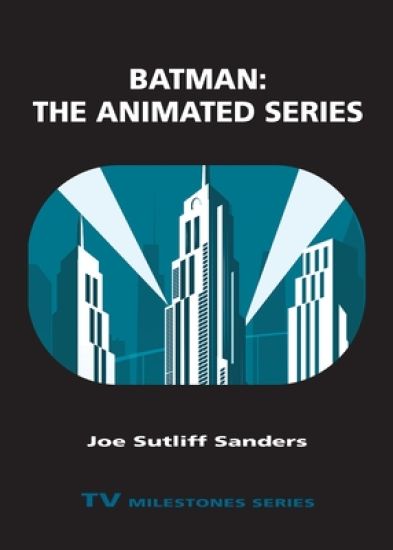
It's possible that no other version of Batman has been more influential than the one that debuted as a children's cartoon in 1992. For millions of fans around the world, the voices of Batman and the Joker introduced in Batman: The Animated Series (BTAS) remain the default. The characters, designs, and major themes of the show went on to shape other cartoons, films, and bestselling video games. In this study, Joe Sutliff Sanders argues that BTAS is not only a milestone of television but a milestone in the public persona of one of the most recognizable characters in the world. The series introduced a new generation to Batman and provided the foundation for a family of cartoons that expanded the superhero universe. It introduced or reinvented major characters including Mr. Freeze, Robin, the Joker, and Harley Quinn. In three chapters, Sanders pursues the intricate arguments that still energize BTAS. Chapter 1 explores the visuals of the show, the artistic histories and tensions that inform its revolutionary style, and what ideas-intentional and otherwise-its aesthetic implies. Chapter 2 turns to the task of defining a "good" wealthy person against a backdrop of "bad," getting to the heart of one of Batman's most problematic characteristics. Lastly, chapter 3 considers Harley Quinn, a character who emblemizes much of what made BTAS successful. From her first appearance, Harley has been both sexy and witty, victor and victim, and this chapter explains the duality that defines her. Since its debut in 1992, BTAS has garnered multiple awards, launched or developed the careers of countless important artists, and created aesthetic styles-in terms of both visuals and voice acting-that continue to resonate. Sanders's book follows an informative and exciting path through the material and is designed to be accessible to aficionados as well as relative newcomers. Batman fans, popular culture enthusiasts, and media studies scholars will find within these pages insights and ironies to provoke endless conversations.
A Literature of Questions

A Literature of Questions

Joe Sutliff Sanders

University of Minnesota Press
2018
sidottu
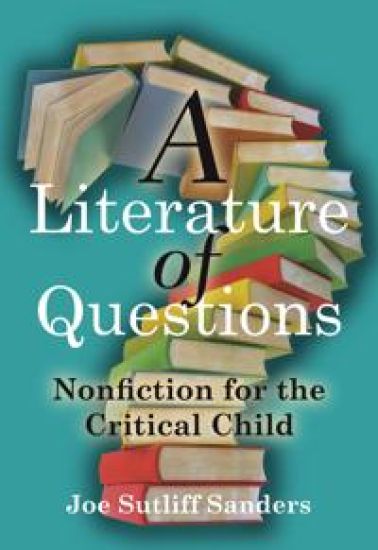
Nonfiction books for children-from biographies and historical accounts of communities and events to works on science and social justice-have traditionally been most highly valued by educators and parents for their factual accuracy. This approach, however, misses an opportunity for young readers to participate in the generation and testing of information. In A Literature of Questions, Joe Sutliff Sanders offers an innovative theoretical approach to childrens nonfiction that goes beyond an assessment of a works veracity to develop a books equivocation as a basis for interpretation. Addressing how such works are either vulnerable or resistant to critical engagement, Sanders pays special attention to the attributes that nonfiction shares with other forms of literature, including voice and character, and those that play a special role in the genre, such as peritexts and photography. The first book-length work to theorize childrens nonfiction as nonfiction from a literary perspective, A Literature of Questions carefully explains how the genre speaks in unique ways to its young readers and how it invites them to the project of understanding. At the same time, it clearly lays out a series of techniques for analysis, which it then applies and nuances through extensive close readings and case studies of books published over the past half century, including recent award-winning books such as Tanya Lee Stones Almost Astronauts: Thirteen Women Who Dared to Dream and We Are the Ship: The Story of Negro League Baseball by Kadir Nelson. By looking at a texts willingness or reluctance to let children interrogate its information and ideological context, Sanders reveals how nonfiction can make young readers part of the project of learning rather than passive recipients of information.
A Literature of Questions

A Literature of Questions

Joe Sutliff Sanders

University of Minnesota Press
2018
nidottu
Nonfiction books for children-from biographies and historical accounts of communities and events to works on science and social justice-have traditionally been most highly valued by educators and parents for their factual accuracy. This approach, however, misses an opportunity for young readers to participate in the generation and testing of information. In A Literature of Questions, Joe Sutliff Sanders offers an innovative theoretical approach to childrens nonfiction that goes beyond an assessment of a works veracity to develop a books equivocation as a basis for interpretation. Addressing how such works are either vulnerable or resistant to critical engagement, Sanders pays special attention to the attributes that nonfiction shares with other forms of literature, including voice and character, and those that play a special role in the genre, such as peritexts and photography. The first book-length work to theorize childrens nonfiction as nonfiction from a literary perspective, A Literature of Questions carefully explains how the genre speaks in unique ways to its young readers and how it invites them to the project of understanding. At the same time, it clearly lays out a series of techniques for analysis, which it then applies and nuances through extensive close readings and case studies of books published over the past half century, including recent award-winning books such as Tanya Lee Stones Almost Astronauts: Thirteen Women Who Dared to Dream and We Are the Ship: The Story of Negro League Baseball by Kadir Nelson. By looking at a texts willingness or reluctance to let children interrogate its information and ideological context, Sanders reveals how nonfiction can make young readers part of the project of learning rather than passive recipients of information.