Kirjojen hintavertailu. Mukana 11 699 587 kirjaa ja 12 kauppaa.

Kirjahaku

Etsi kirjoja tekijän nimen, kirjan nimen tai ISBN:n perusteella.

3 kirjaa tekijältä Joel Engel

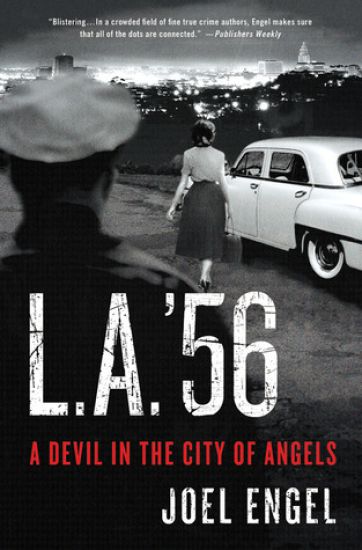
L.A. '56

L.A. '56

Joel Engel

Thomas Dunne Books
2012
sidottu
Los Angeles, 1956. Glamorous. Prosperous. The place to see and be seen. But beneath the shiny exterior beats a dark heart. For when the sun goes down, L.A. becomes the noir city of James Ellroy's L.A. Confidential or Walter Mosley's Easy Rawlins novels. Segregation is the unwritten law of the land. The growing black population is expected to keep to South Central. The white cops are encouraged to deal out harsh street justice. In L.A. '56, Joel Engel paints a tense, moody portrait of the city as a devil weaves his way through the shadows. While R&B and hot jazz spill out of record shops and clubs and all-night burger stands, Willie Fields cruises past in his dark green DeSoto, looking for a woman on whom he can bestow the gift of his company. His brilliant idea: Buy a tin badge in the five-and-ten to go along with his big flashlight and Luger and pretend to be an undercover vice cop. The young white girls doing it with their boyfriends in the lovers' lanes dotting the L.A. hills would never say no to a cop. Into the car they go for a ride downtown on a "morals charge," before he kicks out the young man in the middle of nowhere and takes the girl for a ride she'll spend a lifetime trying to forget. There's a bad guy on the loose in the City of Angels. Enter Detective Danny Galindo-he'd worked the Black Dahlia case back in '47 as a rookie. The suave Latino-one of the few in the department-is able to move easily among the white detectives. Maybe it's all those stories he's sold to Jack Webb for Dragnet. When Todd Roark, a black ex-cop, is arrested, Galindo knows he's innocent. But there's no sympathy for Roark among the white cops on the LAPD; Galindo will have to go it alone. There's only one problem: The victims aren't coming forward. The white press ignores the story, too, making Galindo's job that much more difficult. And now he's fallen in love with one of the rapist's first victims. If he's ever found out, he can kiss his badge good-bye. With his back up against a wall, Galindo realizes that it will take some good old-fashioned Hollywood magic to take down a devil in the City of Angels.
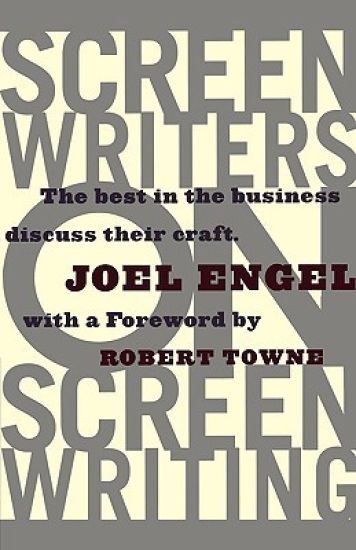
Screenwriters on Screenwriting
Before any lights, camera, or action, there's the script--arguably the most important single element in filmmaking, and "Screenwriters on Screen-Writing" introduces the men and women responsible for the screenplays that have produced some of the most successful and acclaimed films in Hollywood history. In each interview, not only do the writers explore the craft and technique of creating a filmic blueprint, but they recount the colorful tales of coming up in the ranks of the movie business and of bringing their stories to the screen, in a way that only natural-born storytellers such as themselves can. These and other screenwriters have garnered the attention of the movie-going population not only with their words, but with headlines announcing the sales of their scripts for hundreds of thousands and sometimes millions of dollars.Anyone interested in writing, making, or learning about movies will enjoy reading this fascinating behind-the-scenes compendium that brings together some of the most prominent and talented screenwriters in modern-day filmmaking. Screenwriters interviewed include: Bruce Joel Rubin ("Ghost"), Ernest Lehman ("North by Northwest," "Who's Afraid of Virginia Woolf?"), Amy Holden Jones ("Indecent Proposal"), Ted Tally ("The Silence of the Lambs"), Horton Foote ("To Kill a Mockingbird," "Tender Mercies"), Andrew Bergman ("The In-Laws"), Caroline Thompson ("Edward Scissorhands"), Richard LaGravenese ("The Fisher King"), and Robert Towne ("Chinatown," "Shampoo").
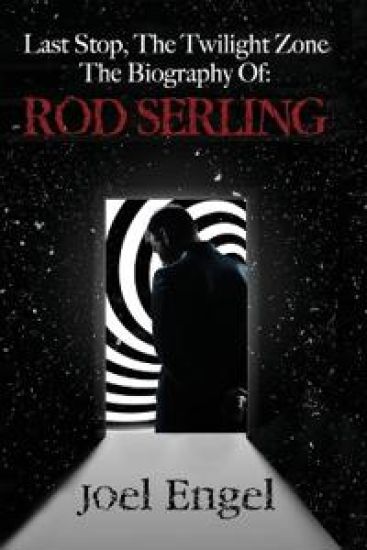
Last Stop, the Twilight Zone

Last Stop, the Twilight Zone

Joel Engel

Antenna Books
2019
pokkari
This landmark first biography of Rod Serling offers fascinating insights into his life, from the nearly idyllic childhood that he could never recapture to the haunting World War II experiences that informed his imagination and his sudden emergence as one of television's Golden Age luminaries, responsible for shaping the medium itself.Last Stop, The Twilight Zone paints a startling picture of the complex, unhappy man beneath Serling's gregarious yet suave public persona. Despite receiving critical and popular acclaim, Serling was doubtful of his own talent, compulsively accepting nearly any job offered, from writing to pitching products. Prolific by any measure, he felt imprisoned by his most famous creation, The Twilight Zone. Here is the Rod Serling we never knew, the man whose success overshadowed his ambitions and, eventually, his life-a life that ended long before it should have.