Kirjojen hintavertailu. Mukana 11 699 587 kirjaa ja 12 kauppaa.

Kirjahaku

Etsi kirjoja tekijän nimen, kirjan nimen tai ISBN:n perusteella.

16 kirjaa tekijältä John Bale

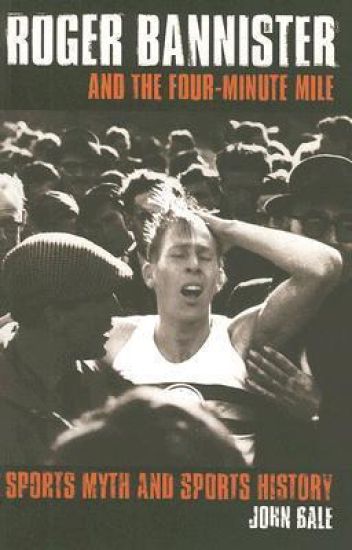
Roger Bannister and the Four-Minute Mile
Roger Bannister was the first person to run the mile in under four minutes. Fifty years on, his status, not just as a champion athlete but also as a true British hero, a gentleman and an amateur from a 'golden era' in sport, retains its unblemished appeal.Until now there has been little criticism and even less close historical study of Bannister and his achievement. This book redresses the balance, presenting a revisionist history of Sir Roger Bannister and in doing so providing fresh insights into the making of this British 'champion'.This book does more than detail the history of a sporting giant. It invites the reader to reconsider the very words often used to describe him - notably 'hero' and 'gentleman amateur'. Informed by contemporary sport science, the text also questions the significance of the four-minute mile.Providing fascinating insights into the history of track racing as well as athletic training methods and the beginnings of sport science, this is not just a testimonial to the legend of Roger Bannister, but instead is the first rigorous historical study of his sporting life and the man behind the legend. It reveals him as an ambivalent athlete, highly achievement-orientated and scientific, but also in love with the freedom of running sensuously in nature, in contrast to the constraints of modern sport.
Roger Bannister and the Four-Minute Mile
Roger Bannister was the first person to run the mile in under four minutes. Fifty years on, his status, not just as a champion athlete but also as a true British hero, a gentleman and an amateur from a 'golden era' in sport, retains its unblemished appeal.Until now there has been little criticism and even less close historical study of Bannister and his achievement. This book redresses the balance, presenting a revisionist history of Sir Roger Bannister and in doing so providing fresh insights into the making of this British 'champion'.This book does more than detail the history of a sporting giant. It invites the reader to reconsider the very words often used to describe him - notably 'hero' and 'gentleman amateur'. Informed by contemporary sport science, the text also questions the significance of the four-minute mile.Providing fascinating insights into the history of track racing as well as athletic training methods and the beginnings of sport science, this is not just a testimonial to the legend of Roger Bannister, but instead is the first rigorous historical study of his sporting life and the man behind the legend. It reveals him as an ambivalent athlete, highly achievement-orientated and scientific, but also in love with the freedom of running sensuously in nature, in contrast to the constraints of modern sport.
Anti-Sport Sentiments in Literature
This book draws on literature, specifically on the writings of selected novelists and poets to widen an existing anti-sport discourse to include hitherto excluded voices from the world of literature. The book commences with a review of exiting pro- and anti-sport discourses and then proceeds to examine, in turn, the written works of five eminent authors, excavating from their writings their anti-sports rhetorics. These writers are Lewis Carroll (Charles Dodgson), Charles Hamilton Sorley, Jerome K. Jerome, John Betjeman and Alan Sillitoe. In its conclusion, the book draws together the broad themes discussed in the preceding chapters.Innovative in its approach to sport and literature and remarkable for its not having been previously explored in any depth, this book will be of interest to readers from both social sciences and humanities backgrounds.
Anti-Sport Sentiments in Literature
This book draws on literature, specifically on the writings of selected novelists and poets to widen an existing anti-sport discourse to include hitherto excluded voices from the world of literature. The book commences with a review of exiting pro- and anti-sport discourses and then proceeds to examine, in turn, the written works of five eminent authors, excavating from their writings their anti-sports rhetorics. These writers are Lewis Carroll (Charles Dodgson), Charles Hamilton Sorley, Jerome K. Jerome, John Betjeman and Alan Sillitoe. In its conclusion, the book draws together the broad themes discussed in the preceding chapters.Innovative in its approach to sport and literature and remarkable for its not having been previously explored in any depth, this book will be of interest to readers from both social sciences and humanities backgrounds.
Geography in the Primary School (Routledge Revivals)
First published in 1987, this title provides primary school teachers with ideas by which geographical skills and ideas can be introduced in the primary school. John Bale shows how teachers can build on children’s ‘private geographies’ with practical learning strategies, examining approaches to the teaching of map skills, the ways in which the locality can be used and how information about distant places can best be relayed. An interesting, useful and relevant guide, this title will be of particular value for teachers and teachers in training, as well as those studying primary Education more generally.
Geography in the Primary School (Routledge Revivals)
First published in 1987, this title provides primary school teachers with ideas by which geographical skills and ideas can be introduced in the primary school. John Bale shows how teachers can build on children’s ‘private geographies’ with practical learning strategies, examining approaches to the teaching of map skills, the ways in which the locality can be used and how information about distant places can best be relayed. An interesting, useful and relevant guide, this title will be of particular value for teachers and teachers in training, as well as those studying primary Education more generally.
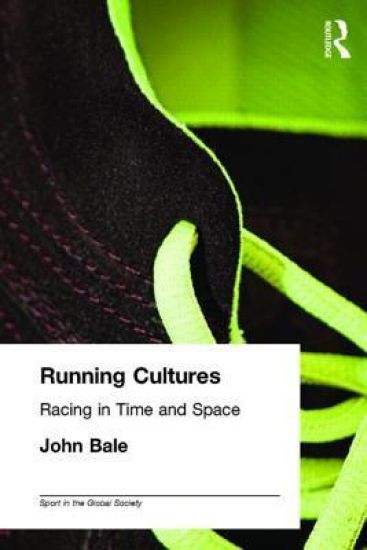
Running Cultures

Running Cultures

John Bale

Routledge
2004
sidottu
Running is one of the world's most widely practiced sports and recreations but until now it has intended to elude serious study outside of the natural sciences. John Bale brings the sport into the realm of the humanities by drawing on sources including literature, poetry, film, art and sculpture as well as statistics and training manuals to highlight the tensions, ambiguities and complexities that lie hidden beneath the commonplace notion of running.The text explores both local and personal, as well as communal and global aspects of running and its practitioners. It examines the streets, tracks and stadiums where athletes run, the races in which they compete, and the running relationships such as exist between the athlete and the coach, between runners and between the athlete and spectator. It discusses the importance of speed and records, how running has been used to symbolise resistance and transgression, and the extent to which it can be associated with a healthy lifestyle.Running Cultures provides new ways of seeing a familiar sporting phenomenon. it will appeal to both students and researchers with an interest in running in particular, and sport and leisure cultures more generally.
Running Cultures

Running Cultures

John Bale

Routledge
2004
nidottu
Running is one of the world's most widely practiced sports and recreations but until now it has intended to elude serious study outside of the natural sciences. John Bale brings the sport into the realm of the humanities by drawing on sources including literature, poetry, film, art and sculpture as well as statistics and training manuals to highlight the tensions, ambiguities and complexities that lie hidden beneath the commonplace notion of running.The text explores both local and personal, as well as communal and global aspects of running and its practitioners. It examines the streets, tracks and stadiums where athletes run, the races in which they compete, and the running relationships such as exist between the athlete and the coach, between runners and between the athlete and spectator. It discusses the importance of speed and records, how running has been used to symbolise resistance and transgression, and the extent to which it can be associated with a healthy lifestyle.Running Cultures provides new ways of seeing a familiar sporting phenomenon. it will appeal to both students and researchers with an interest in running in particular, and sport and leisure cultures more generally.