
Kirjahaku
Etsi kirjoja tekijän nimen, kirjan nimen tai ISBN:n perusteella.
19 kirjaa tekijältä John Barr

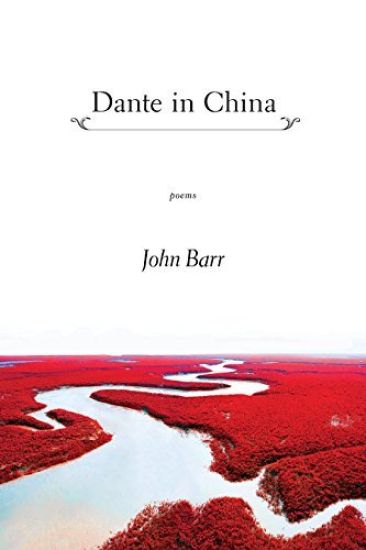
In John Barr's poems, the ancient masters encounter the modern world. Dante on a beach in China beholds the Inferno: “Flaring well gas night and day, / towers rise as if to say, / Pollution can be beautiful.” Bach’s final fugue informs all of nature. Villon is admonished by an aging courtesan. Aristotle finds “Demagogues are the insects of politics. / Like water beetles they stay afloat / on surface tension, they taxi on iridescence.” And his afterlife: “When three-headed Cerberus greeted him / Socrates replied: I won’t need / an attack dog, thank you. I married one.”
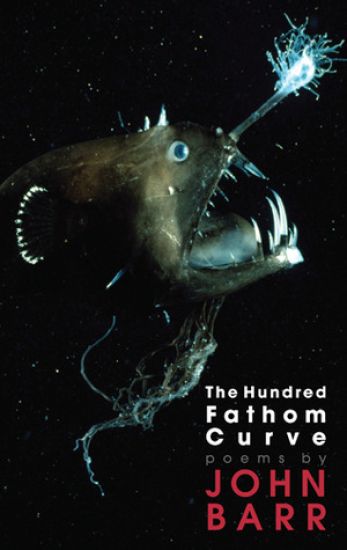
The Hundred Fathom Curve chronicles the search for an American identity from the Vietnam war to 9/11. The poems, drawn from five previous collections and published over 40 years, include BarrÆs eye-witness accounts as a Navy veteran of Vietnam, and as a New Yorker who was present at 9/11. They explore the boundary of what is human with all that is not, and find things never to be as they seem. They follow the journey from nature into art, and the efforts of the artist to discover what it means to be human.
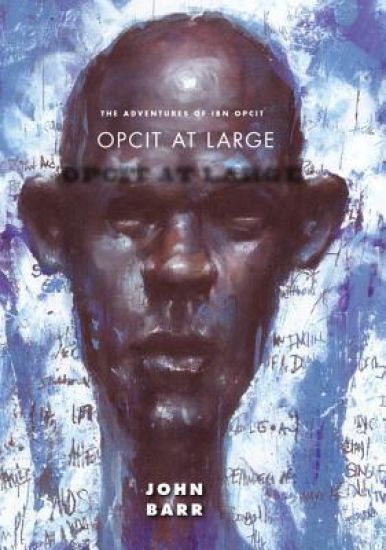
The Adventures of Ibn Opcit is a two-volume work by John Barr, first president of The Poetry Foundation. Grace, the first volume of this mock epic, is the master song of Ibn Opcit, a Caribbean gardener/poet condemned to die by torture. In a series of jailhouse monologues we hear him descant on justice, on creation, on America, on death and on life after death. In book two, Opcit at Large, the poet pushes back on his oppressors in three adventures. Like Virgil in the Inferno he visits the afterworld of reincarnation in The Afterdammit he struggles to survive as poet laureate to Africa's newest President for Life in Opcit en Afrique he orbits earth as The Last Cosmonaut on the eve of the fall of the Soviet Union. He comes home with the dignity and strength of one who has survived and prevailed.
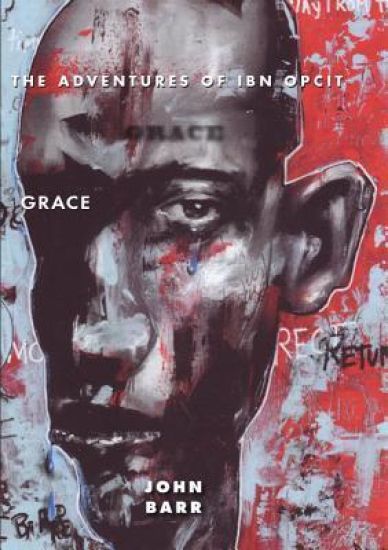
The Adventures of Ibn Opcit is a two-volume work by John Barr, first president of The Poetry Foundation. Grace, the first volume of this mock epic, is the master song of Ibn Opcit, a Caribbean gardener/poet condemned to die by torture. In a series of jailhouse monologues we hear him descant on justice, on creation, on America, on death and on life after death. In book two, Opcit at Large, the poet pushes back on his oppressors in three adventures. Like Virgil in the Inferno he visits the afterworld of reincarnation in The Afterdammit he struggles to survive as poet laureate to Africa's newest President for Life in Opcit en Afrique he orbits earth as The Last Cosmonaut on the eve of the fall of the Soviet Union. He comes home with the dignity and strength of one who has survived and prevailed.
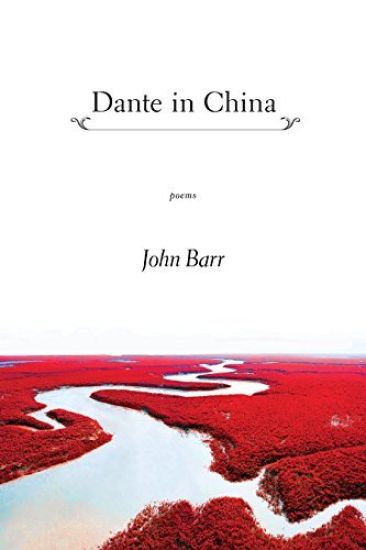
In John Barr's poems, the ancient masters encounter the modern world. Dante on a beach in China beholds the Inferno: “Flaring well gas night and day, / towers rise as if to say, / Pollution can be beautiful.” Bach’s final fugue informs all of nature. Villon is admonished by an aging courtesan. Aristotle finds “Demagogues are the insects of politics. / Like water beetles they stay afloat / on surface tension, they taxi on iridescence.” And his afterlife: “When three-headed Cerberus greeted him / Socrates replied: I won’t need / an attack dog, thank you. I married one.”
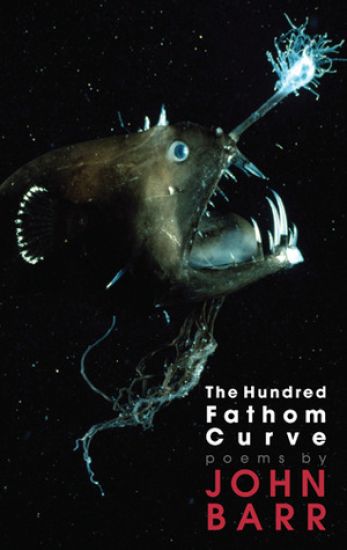
The Hundred Fathom Curve chronicles the search for an American identity from the Vietnam war to 9/11. The poems, drawn from five previous collections and published over 40 years, include BarrÆs eye-witness accounts as a Navy veteran of Vietnam, and as a New Yorker who was present at 9/11. They explore the boundary of what is human with all that is not, and find things never to be as they seem. They follow the journey from nature into art, and the efforts of the artist to discover what it means to be human.
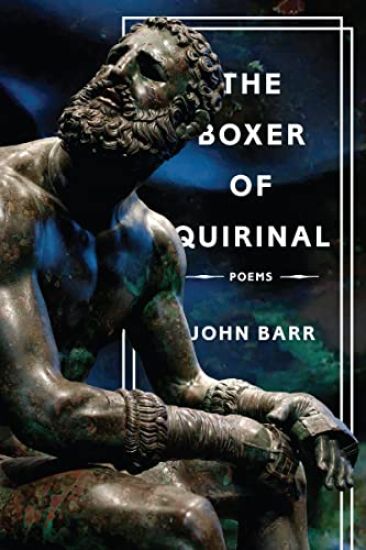
All animals struggle to survive. In John Barr's poems the success of the heron hunting, the albatross breeding, the inchworm spinning give proof of life. But for us that struggle includes the eternal presence of war. Does the fall of Rome, the Battle of Shiloh, the Normandy Landings––and today's wars—give proof of life or only of the struggle?
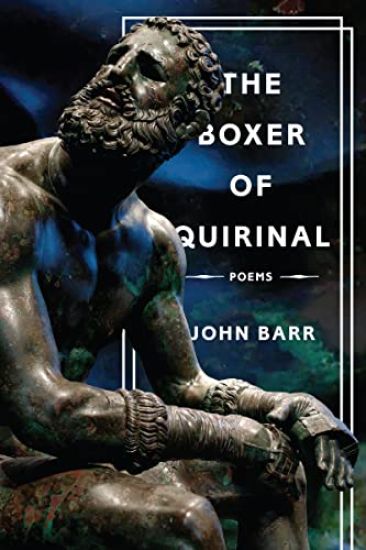
All animals struggle to survive. In John Barr's poems the success of the heron hunting, the albatross breeding, the inchworm spinning give proof of life. But for us that struggle includes the eternal presence of war. Does the fall of Rome, the Battle of Shiloh, the Normandy Landings––and today's wars—give proof of life or only of the struggle?
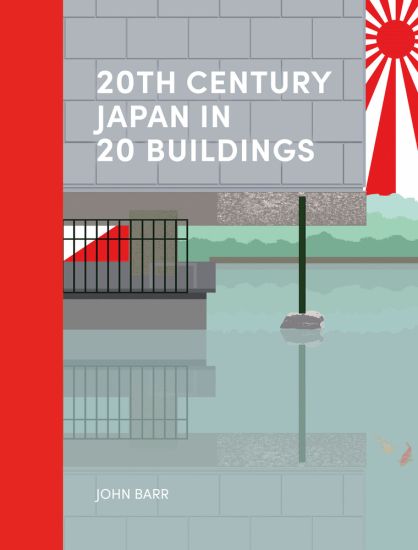
There is a long history in the West of viewing Japan through the twin lenses of orientalism and exoticism. Following the Meiji Restoration of 1868 and the re-opening of Japan after a long period of self-imposed isolation there has been a succession of commentators who have sought to present Japan as somehow ‘other’ and not susceptible to ready understanding. Too often the study of Japanese architecture has followed this pattern or has been presented as a series of visual images that are explained as if they emerged from some unique alchemy of sensitivity and mysticism.This book argues that Japanese modern architecture emerged from identifiable events: political, social, economic, historical events, and is as susceptible as any other architecture to analysis and criticism in these terms. Episodic rather than encyclopaedic, it does not describe every twist and turn in the development of modern Japanese architecture, but rather, it examines twenty buildings spanning the 20th century and places them in the context of the political, social and economic, as well as the historical and cultural factors that shaped both them and modern Japan. Each building has been chosen because it reflects a major event in the development of modern Japan and its architecture. In this way, the author provides a more rounded understanding of the development of modern architecture in Japan and the circumstances from which it emerged and offers lessons that are still of relevance. As it entered the modern era, Japan was faced with the necessity of accepting an influx of Western technology in order to catch up. With imported technology came new and different ideas and values. Could the Japanese adopt the technology imported from the West while retaining their own culture and values? How could they identify those values and should they try to retain them or embrace new and different values? In the early 21st century, where we have seen the growth of the Internet and globalisation alongside an increase in nationalism around the world, these should be familiar questions. In a sense we are all Japanese now.
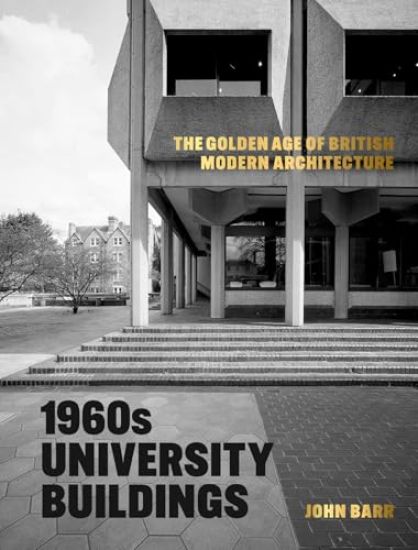
The 1960s continue to hold an almost mythical place in Western culture, particularly in Britain, where change was widespread and infiltrated many aspects of life. This included architecture, whose role in a modern democracy and the form it should take were hotly debated. This book discusses the architectural thinking of the time through an examination of the design of university buildings. While there were notable buildings being built in other spheres, no other field of architecture provided the opportunity to express those ideas as freely, while also reflecting innovative new thinking about education and society. Somehow, the university buildings of the 1960s seemed to represent the cutting edge of modern architecture in the UK. This book provides the first critical analysis and overview of these buildings, designed by some of the leading British architects of the period including Basil Spence, Leslie Martin, Alison and Peter Smithson, Denys Lasdun, Powell and Moya and James Stirling. By placing the buildings in a wider social, cultural and political context, it examines the combination of circumstances and attitudes that produced results that are equally admired and detested and allows us to understand how we might replicate or avoid them in the future.



This book has been considered by academicians and scholars of great significance and value to literature. This forms a part of the knowledge base for future generations. So that the book is never forgotten we have represented this book in a print format as the same form as it was originally first published. Hence any marks or annotations seen are left intentionally to preserve its true nature.

The Young Llanero A Story of War and Wild Life in Venezuela (Edition1)
John Barr
Alpha Editions
2024
nidottu