A fascinating study of the changing military role of air power in the twentieth century, this book examines the sensational impact of the Great War, the pioneering work of air power theorists and visionaries in the interwar period, the air arms race, the SecondWorld War in Europe and the Far East, and finally, the post-war period.
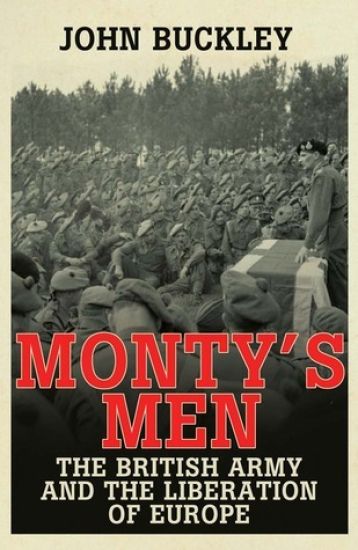
Historian John Buckley offers a radical reappraisal of Great Britain’s fighting forces during World War Two, challenging the common belief that the British Army was no match for the forces of Hitler’s Germany. Following Britain’s military commanders and troops across the battlefields of Europe, from D-Day to VE-Day, from the Normandy beaches to Arnhem and the Rhine, and, ultimately, to the Baltic, Buckley’s provocative history demonstrates that the British Army was more than a match for the vaunted Nazi war machine. This fascinating revisionist study of the campaign to liberate Northern Europe in the war’s final years features a large cast of colorful unknowns and grand historical personages alike, including Field Marshal Sir Bernard Montgomery and the prime minister, Sir Winston Churchill. By integrating detailed military history with personal accounts, it evokes the vivid reality of men at war while putting long-held misconceptions finally to rest.
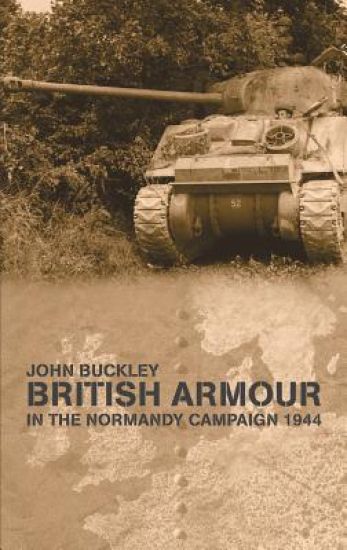
The popular perception of the performance of British armour in the Normandy campaign of 1944 is one of failure and frustration. Despite overwhelming superiority in numbers, Montgomery's repeated efforts to employ his armour in an offensive manner ended in a disappointing stalemate. Explanation of these and other humiliating failures has centred predominantly on the shortcomings of the tanks employed by British formations. This new study by John Buckley challenges the standard view of Normandy as a failure for British armour by analysing the reality and level of the supposed failure and the causes behind it.
The popular perception of the performance of British armour in the Normandy campaign of 1944 is one of failure and frustration. Despite overwhelming superiority in numbers, Montgomery's repeated efforts to employ his armour in an offensive manner ended in a disappointing stalemate. Explanation of these and other humiliating failures has centred predominantly on the shortcomings of the tanks employed by British formations. This new study by John Buckley challenges the standard view of Normandy as a failure for British armour by analysing the reality and level of the supposed failure and the causes behind it.
A presentation of the background, rationale, principles and operation of telecommunications regulation. It is designed to give the reader a clear understanding of how the development of a mature competitive telecommunications has been shaped in the light of regulation.
Intelligence is used daily by law enforcement personnel across the world in operations to combat terrorism and drugs and to assist in investigating serious and organized crime. Managing Intelligence: A Guide for Law Enforcement Professionals is designed to assist practitioners and agencies build an efficient system to gather and manage intelligence effectively and lawfully in line with the principles of intelligence-led policing. Research for this book draws from discussions with hundreds of officers in different agencies, roles, and ranks from the UK, United States, Australia, New Zealand, and Canada. Highlighting common misunderstandings in law enforcement about intelligence, the book discusses the origins of these misunderstandings and puts intelligence in context with other policing models. It looks at human rights and ethical considerations as well as some of the psychological factors that inhibit effective intelligence management. With practical tips about problems likely to be encountered and their solutions, the book describes the "how to" of building an intelligence management system. It discusses analysis and the various methods of collecting information for intelligence purposes and concludes with a discussion of future issues for intelligence in law enforcement. Written by a practitioner with more than 30 years experience working in intelligence and law enforcement, the book helps professionals determine if what they are doing is working and gives them practical tips on how to improve. Based upon real-world empirical research, the book addresses gaps in current law enforcement procedures and integrates theory with practice to provide an optimum learning experience exploring the benefits of intelligence-led policing.
Intelligence is used daily by law enforcement personnel across the world in operations to combat terrorism and drugs and to assist in investigating serious and organized crime. Managing Intelligence: A Guide for Law Enforcement Professionals is designed to assist practitioners and agencies build an efficient system to gather and manage intelligence effectively and lawfully in line with the principles of intelligence-led policing.Research for this book draws from discussions with hundreds of officers in different agencies, roles, and ranks from the UK, United States, Australia, New Zealand, and Canada. Highlighting common misunderstandings in law enforcement about intelligence, the book discusses the origins of these misunderstandings and puts intelligence in context with other policing models. It looks at human rights and ethical considerations as well as some of the psychological factors that inhibit effective intelligence management. With practical tips about problems likely to be encountered and their solutions, the book describes the "how to" of building an intelligence management system. It discusses analysis and the various methods of collecting information for intelligence purposes and concludes with a discussion of future issues for intelligence in law enforcement.Written by a practitioner with more than 30 years experience working in intelligence and law enforcement, the book helps professionals determine if what they are doing is working and gives them practical tips on how to improve. Based upon real-world empirical research, the book addresses gaps in current law enforcement procedures and integrates theory with practice to provide an optimum learning experience exploring the benefits of intelligence-led policing.
A ground-breaking approach to history where YOU choose the fate of WWII - perfect for readers of Bletchley Park Brainteasers and The GCHQ Puzzle Book.''An original and exciting approach . . . Buckley is one of our very finest historians.' JAMES HOLLAND________________________TAKE THE HOTSEATAssume the role of real Generals, Leaders, Soldiers and Intelligence Officers in the Allied Forces during WWII, including Winston Churchill and President Eisenhower.EXAMINE THE INTELLIGENCEExplore eight key moments of the war with real contemporaneous intelligence: Britain's Darkest Hour, 1940; The War in North Africa; Stalin's War on the Eastern Front; The Pacific Battle of Midway; The Dresden Bomber Offensive; Casablanca; Arnhem and Operation Market Garden; The Bomb and Hiroshima.CONSIDER THE SCENARIO & MAKE YOUR DECISIONFrom battlefields to war cabinets, each tactical and strategic decision you make leads to a different outcome.Will you follow the path of the past - or shape a new history?________________________'Wonderfully original . . . putting readers at the heart of the decision-making process and allowing them, literally, to change the course of history. This is counterfactual history at its best.' SAUL DAVID'A reminder that history is a never ending now, a relentless and endless present that comes without the luxury of hindsight.' AL MURRAY'An original and exciting approach . . . Buckley is one of our very finest historians. The Armchair General adds enormously to our understanding of the conflicts.' JAMES HOLLAND'A unique, enjoyable approach to evaluating military decision-making.' HISTORY OF WAR
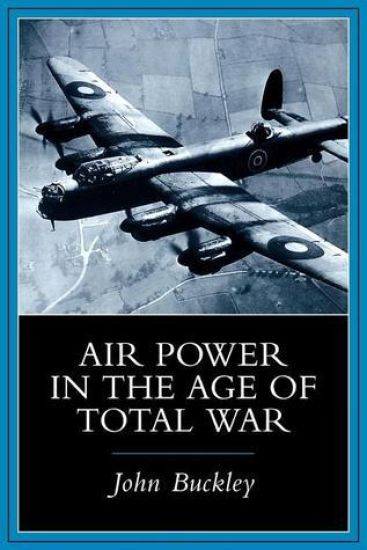
Warfare in the first half of the 20th century was fundamentally and irrovocably altered by the birth and subsequent development of air power. This work assesses the role of air power in changing the face of battle on land and sea. Utilizing late-1990s research, the author demonstrates that the phenomenon of air power was both a cause and a crucial accelerating factor contributing to the theory and practice of total war. For instance, the expansion of warfare to the homefront was a direct result of bombing and indirectly due to the extent of national economic mobilization required to support first rate air power status. In addition, the move away from the principle of total war with the onset of the Cold War and the replacement of air power by ICBMs is thoroughly examined. This work should provide students of international history, war studies, defence and strategic studies with an insight into 20th-century warfare.
Warfare in the first half of the 20th century was fundamentally and irrovocably altered by the birth and subsequent development of air power. This work assesses the role of air power in changing the face of battle on land and sea. Utilizing late-1990s research, the author demonstrates that the phenomenon of air power was both a cause and a crucial accelerating factor contributing to the theory and practice of total war. For instance, the expansion of warfare to the homefront was a direct result of bombing and indirectly due to the extent of national economic mobilization required to support first rate air power status. In addition, the move away from the principle of total war with the onset of the Cold War and the replacement of air power by ICBMs is thoroughly examined. This work should provide students of international history, war studies, defence and strategic studies with an insight into 20th-century warfare.