Kirjojen hintavertailu. Mukana 12 016 292 kirjaa ja 12 kauppaa.

Kirjahaku

Etsi kirjoja tekijän nimen, kirjan nimen tai ISBN:n perusteella.

7 kirjaa tekijältä John Burdick

Blessed Anastacia

Blessed Anastacia

John Burdick

Routledge
1998
sidottu
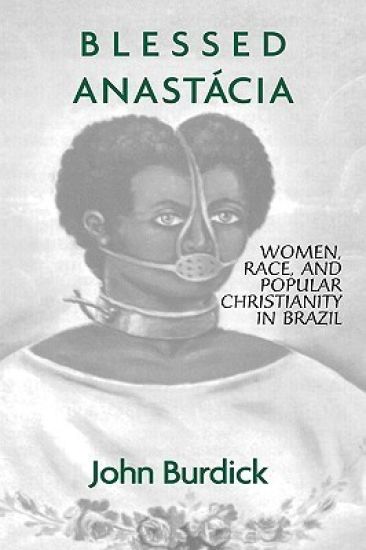
The weakness of Brazil's black consciousness movement is commonly attributed to the fragility of Afro-Brazilian ethnic identity. In a major account, John Burdick challenges this view by revealing the many-layered reality of popular black consciousness and identity in an arena that is usually overlooked: that of popular Christianity.Blessed Anastacia describes how popular Christianity confronts everyday racism and contributes to the formation of racial identity. The author concludes that if organizers of the black consciousness movement were to recognize the profound racial meaning inherent in this area of popular religiosity, they might be more successful in bridging the gap with its poor and working-class constituency.
Blessed Anastacia

Blessed Anastacia

John Burdick

Routledge
1998
nidottu
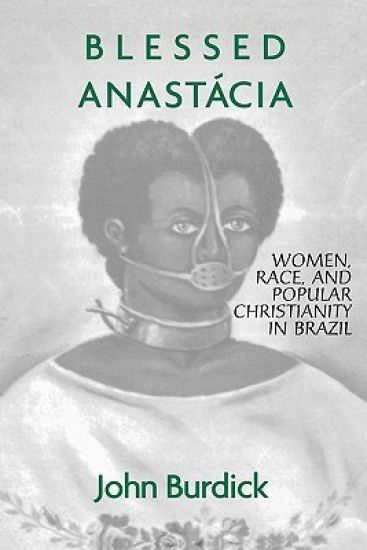
The weakness of Brazil's black consciousness movement is commonly attributed to the fragility of Afro-Brazilian ethnic identity. In a major account, John Burdick challenges this view by revealing the many-layered reality of popular black consciousness and identity in an arena that is usually overlooked: that of popular Christianity.Blessed Anastacia describes how popular Christianity confronts everyday racism and contributes to the formation of racial identity. The author concludes that if organizers of the black consciousness movement were to recognize the profound racial meaning inherent in this area of popular religiosity, they might be more successful in bridging the gap with its poor and working-class constituency.
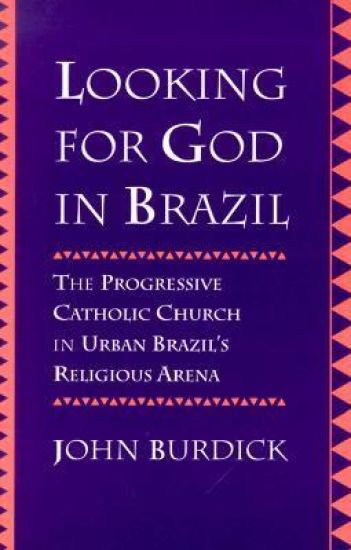
Looking for God in Brazil

Looking for God in Brazil

John Burdick

University of California Press
1996
pokkari
For a generation, the Catholic Church in Brazil has enjoyed international renown as one of the most progressive social forces in Latin America. The Church's creation of Christian Base Communities (CEBs), groups of Catholics who learn to read the Bible as a call for social justice, has been widely hailed. Still, in recent years it has become increasingly clear that the CEBs are lagging far behind the explosive growth of Brazil's two other major national religious movements--Pentacostalism and Afro-Brazilian Umbanda. On the basis of his extensive fieldwork in Rio di Janeiro, including detailed life histories of women, blacks, youths, and the marginal poor, John Burdick offers the first in-depth explanation of why the radical Catholic Church is losing, and Pentecostalism and Umbanda winning, the battle for souls in urban Brazil.
The Color of Sound

The Color of Sound

John Burdick

New York University Press
2013
sidottu
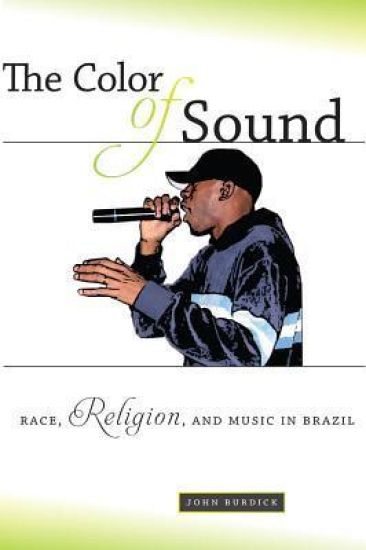
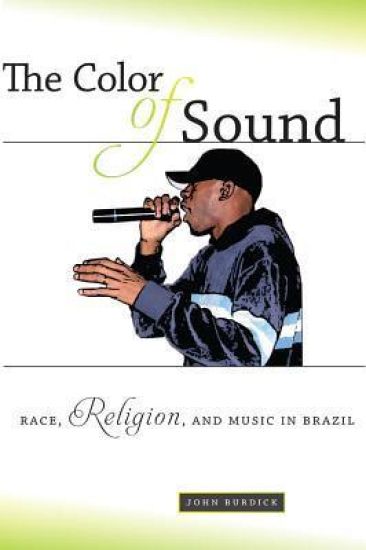
Throughout Brazil, Afro-Brazilians face widespread racial prejudice. Many turn to religion, with Afro-Brazilians disproportionately represented among Protestants, the fastest-growing religious group in the country. Officially, Brazilian Protestants do not involve themselves in racial politics. Behind the scenes, however, the community is deeply involved in the formation of different kinds of blackness—and its engagement in racial politics is rooted in the major new cultural movement of black music. In this highly original account, anthropologist John Burdick explores the complex ideas about race, racism, and racial identity that have grown up among Afro-Brazilians in the black music scene. By immersing himself for nearly a year in the vibrant worlds of black gospel, gospel rap, and gospel samba, Burdick pushes our understanding of racial identity and the social effects of music in new directions. Delving into the everyday music-making practices of these scenes, Burdick shows how the creative process itself shapes how Afro-Brazilian artists experience and understand their racial identities. This deeply detailed, engaging portrait challenges much of what we thought we knew about Brazil's Protestants,provoking us to think in new ways about their role in their country's struggle to combat racism.
The Color of Sound

The Color of Sound

John Burdick

New York University Press
2013
pokkari
Throughout Brazil, Afro-Brazilians face widespread racial prejudice. Many turn to religion, with Afro-Brazilians disproportionately represented among Protestants, the fastest-growing religious group in the country. Officially, Brazilian Protestants do not involve themselves in racial politics. Behind the scenes, however, the community is deeply involved in the formation of different kinds of blackness—and its engagement in racial politics is rooted in the major new cultural movement of black music. In this highly original account, anthropologist John Burdick explores the complex ideas about race, racism, and racial identity that have grown up among Afro-Brazilians in the black music scene. By immersing himself for nearly a year in the vibrant worlds of black gospel, gospel rap, and gospel samba, Burdick pushes our understanding of racial identity and the social effects of music in new directions. Delving into the everyday music-making practices of these scenes, Burdick shows how the creative process itself shapes how Afro-Brazilian artists experience and understand their racial identities. This deeply detailed, engaging portrait challenges much of what we thought we knew about Brazil's Protestants,provoking us to think in new ways about their role in their country's struggle to combat racism.
Legacies of Liberation

Legacies of Liberation

John Burdick

TAYLOR FRANCIS INC
2020
sidottu
Originally published in 2004. In Brazil the liberationist reading of the Bible was once supposed to be an unstoppable force for social change, yet many observers now say that in the era of neo-liberalism the liberationist project may be counted all but dead. In Legacies of Liberation, John Burdick offers a bold new interpretation of the state of the Catholic liberationism. Challenging the claim that it is dead, Burdick carefully builds the case that it continues to exert a major influence on Brazilian society and culture, through its penetration of a broad range of grassroots struggles, especially those having to do with race, gender, and land. Burdick brings to bear on his analysis an understanding of Brazil rooted in twenty years of fieldwork, and a perspective shaped by anthropology, theology and history.
Legacies of Liberation

Legacies of Liberation

John Burdick

TAYLOR FRANCIS LTD
2021
nidottu
Originally published in 2004. In Brazil the liberationist reading of the Bible was once supposed to be an unstoppable force for social change, yet many observers now say that in the era of neo-liberalism the liberationist project may be counted all but dead. In Legacies of Liberation, John Burdick offers a bold new interpretation of the state of the Catholic liberationism. Challenging the claim that it is dead, Burdick carefully builds the case that it continues to exert a major influence on Brazilian society and culture, through its penetration of a broad range of grassroots struggles, especially those having to do with race, gender, and land. Burdick brings to bear on his analysis an understanding of Brazil rooted in twenty years of fieldwork, and a perspective shaped by anthropology, theology and history.