Kirjojen hintavertailu. Mukana 11 342 296 kirjaa ja 12 kauppaa.

Kirjahaku

Etsi kirjoja tekijän nimen, kirjan nimen tai ISBN:n perusteella.

13 kirjaa tekijältä John C. Skipper

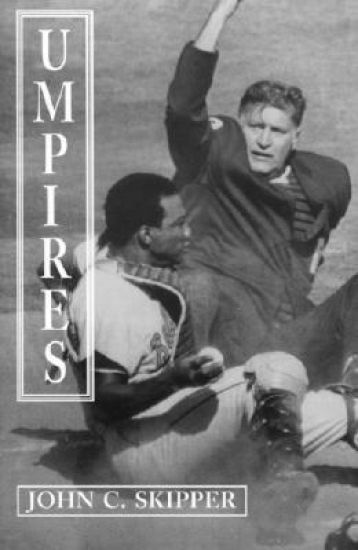
Umpires

Umpires

John C. Skipper

McFarland Co Inc
1997
pokkari
They are known by a variety of names, many of them unprintable. Like the big league players, they are the very best in their profession and spend years honing their craft, yet some fans pretend to believe they are incompetent boobs. They are the men in blue on the baseball diamond, major league umpires. In this work, nineteen umps provide their unique insight on some of the most important and pivotal moments in baseball history. Don Denkinger recounts his call that turned the 1985 World Series. "Red" Flaherty and Bill Kinnamon recall the excitement of Roger Maris' 61st homer. From these men and Bill Jackowski, Bill Haller, John Rice, Dutch Rennert, John Kibler, Bill Valentine, Terry Cooney, Andy Olsen, Marty Springstead, Doug Harvey, Ken Burkhart, Ed Runge, Hank Morgenweck, Art Frantz, Jerry Neudecker, and Steamboat Johnson, we get a different view of the game and a new appreciation for the job the umpires do on a daily basis.
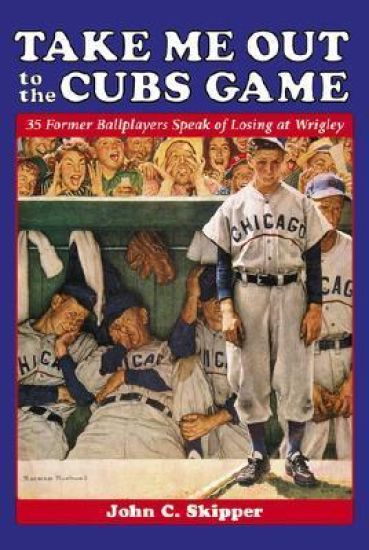
Take Me Out to the Cubs Game

Take Me Out to the Cubs Game

John C. Skipper

McFarland Co Inc
2000
pokkari
"There's too much nature in that ballpark"--Harry Chiti And make no mistake, whether it's the wind full-tilt off Lake Michigan, an early-season snowstorm at Waveland and Sheffield, or spring ivy hiding the batted balls of the visiting nine, nature seems to have Wrigley Field and the Cubbies under its thumb. In this book, John Skipper talks with 35 former Chicago Cubs who relive their ball-playing days and speculate on the eternally middling and undeniably popular Northsiders. This troop of now-grizzled bears, including Claude Passeau, Hank Wyse, Alvin Dark, Don Kessinger, Joe Niekro, Pete LaCock, and slugger Hank Sauer, hold forth on the front office moves, gruelling day-game scheduling and sometimes agonizing play of one of baseball's oldest, unluckiest and yet most revered franchises.
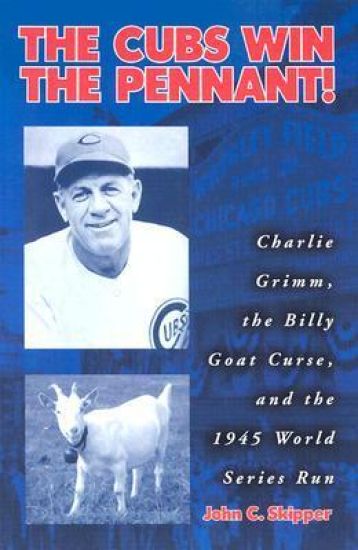
The Cubs Win the Pennant!

The Cubs Win the Pennant!

John C. Skipper

McFarland Co Inc
2004
pokkari
On September 29, 1945, the Chicago Cubs' fireball pitcher Paul Erickson threw a curve ball to Tommy O'Brien of the Pittsburgh Pirates with two outs in the bottom of the ninth inning. O'Brien's knees buckled, as any hitter's knees would when he expects a fastball but gets a curve instead. O'Brien had reason to be surprised--it was Erickson's first curveball of the game, and some even claim that it was his first of the year. The ball crossed home plate for strike three. The Cubs won 4-3 and captured the National League championship. The Cubs' journey to the National League pennant in 1945 is detailed here. The author interviewed nine surviving members of the 1945 Cubs, including pitchers Erickson, Hank Borowy, Hank Wyse and Claude Passeau, second baseman Don Johnson, shortstop Lenny Merullo, backup catcher Dewey Williams, first baseman Phil Cavaretta, and outfielder Andy Pafko, and includes their recollections of that magical Cubs season.
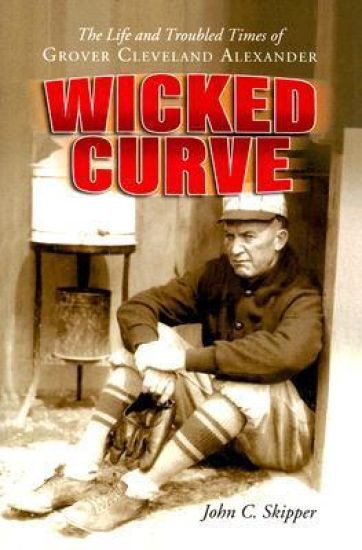
Wicked Curve

Wicked Curve

John C. Skipper

McFarland Co Inc
2006
pokkari
"Grover Cleveland Alexander won 373 games over his 20-year career, the third highest total in major league history, and led the National League in ERA four times, shutouts seven times, complete games six times, and wins six times.This biography sheds light on the pitcher and man, focusing on Alexander's personal life and Hall of Fame career"--Provided by publisher.
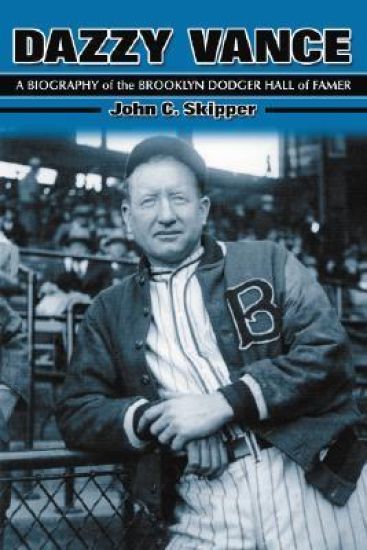
Dazzy Vance

Dazzy Vance

John C. Skipper

McFarland Co Inc
2007
pokkari
"Charles "Dazzy" Vance became known as strike out king after leading the National League in strikeouts seven years in a row. This biography covers the life of Vance, including the Major League Hall of Fame career and his personal life off the diamond. Also included is a list of Dazzy's lifetime statistics, containing his 1934 World Series Game"--Provided by publisher.
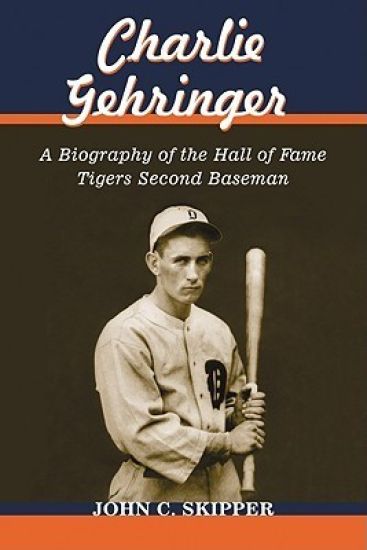
Charlie Gehringer

Charlie Gehringer

John C. Skipper

McFarland Co Inc
2008
pokkari
Charlie Gehringer was the best second baseman of his era. He is regarded by many as the best two-strike hitter of all time and his seemingly effortless fielding ability earned him the nickname of "The Mechanical Man." Sports writers groused that he was too quiet to be a star. Charlie replied that he didn't hit with his mouth. This work follows Gehringer's career from the day a scout spotted him on the sandlots of Michigan in 1923 to his induction into the Hall of Fame in 1949 and into his life after baseball.
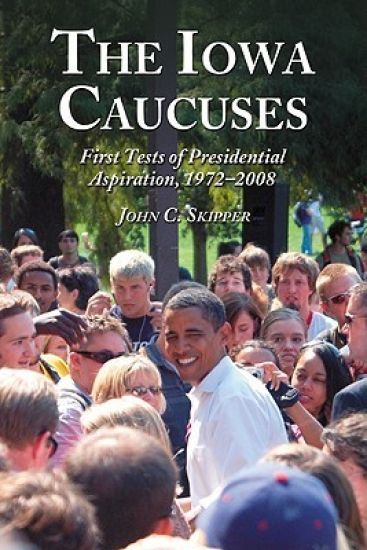
The Iowa Caucuses

The Iowa Caucuses

John C. Skipper

McFarland Co Inc
2009
pokkari
Smaller in population than several U.S. cities, the state of Iowa has become an unexpected and unparalleled proving ground for would-be presidential candidates. The Iowa caucuses provide a unique brand of retail politics, on the decline in an age of multi-million dollar advertising blitzes. Potential candidates have gone to extraordinary lengths to impress Iowa's voters, dying their hair, changing their wardrobes, posing--and giving speech after speech. This book chronicles the most important events of each Iowa caucus since 1972 and reveals how the unassuming Midwestern state came to be an unlikely powerhouse in presidential politics.
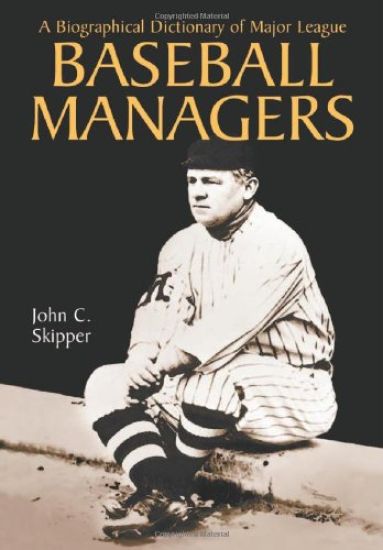
A Biographical Dictionary of Major League Baseball Managers
Earl Weaver put his best defensive players on the field early in the game rather than make late-inning defensive replacements, and he didn't like to bunt, figuring if you played for only one run that's all you'd get. Whitey Herzog, by contrast, became one of the greats by using players who could bunt and by playing for one run over and over again. Full coverage of them and 600 other major league managers over a 125 year period can be found in this work. The entries are based on interviews, standard data and anecdotes from owners, coaches, and players. Information includes birth and death dates, teams and dates managed, win-loss records, winning percentages, and standings. Lists are included of managers of 1,000 games or more, those with one-game careers, those with the best winning percentages, and those with the most wins. A complete list of managers in the history of each team is provided.
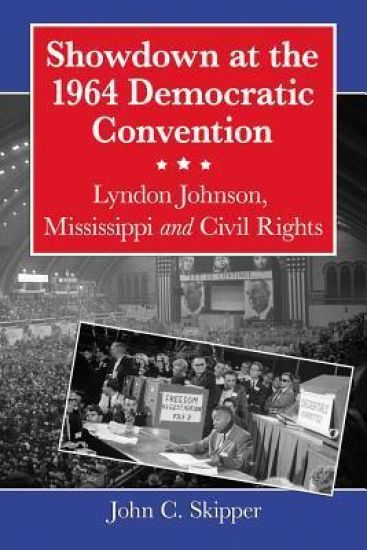
Showdown at the 1964 Democratic Convention

Showdown at the 1964 Democratic Convention

John C. Skipper

McFarland Co Inc
2012
pokkari
In the summer of 1964, three forces converged at the Democratic National Convention in Atlantic City, New Jersey, each with the potential to shake the moorings of traditional democracy: the all-white segregationist delegation from Mississippi, a mostly black delegation determined to unseat the segregationists, and President Lyndon Johnson, who had signed the civil rights bill but wanted to avoid trouble that could jeopardize his chances of carrying the South in the November election. These groups struggled to reach a "compromise" that in the end epitomized sheer political power and its consequences. By examining the motivations of those involved, this work explores how American politics and the civil rights movement clashed at the convention, how the federal government felt compelled to spy on its own people for purely political purposes, and how this interlude changed the political landscape for generations.
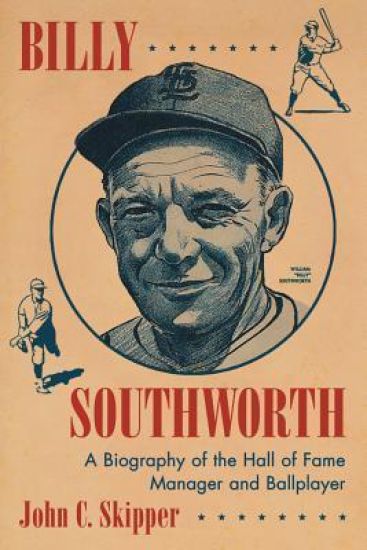
Billy Southworth

Billy Southworth

John C. Skipper

McFarland Co Inc
2013
pokkari
Billy Southworth was the most successful major league baseball manager of the 1940s including the three straight years in which his St. Louis Cardinal teams won more than 100 games. He won three National League pennants with the Cardinals and one with the Boston Braves, and his .597 winning percentage is the fifth highest in baseball history. But Southworth was dogged by demons off the field, including the deaths of three children. On the field, his achievements were minimized by many because they occurred during the war years when the baseball talent level was below par. When he finally got top recognition, being elected to the Hall of Fame in 2007, the honor occurred 38 years after his death.
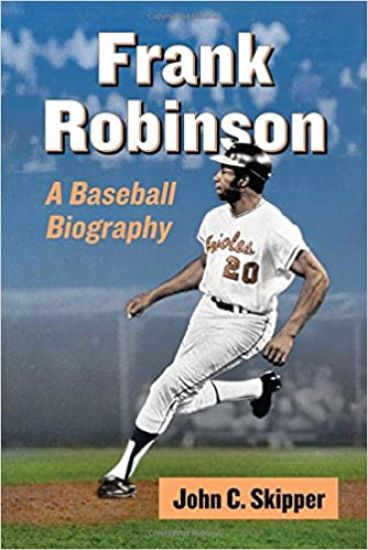
Frank Robinson

Frank Robinson

John C. Skipper

McFarland Co Inc
2014
pokkari
Frank Robinson was one of the greatest baseball players of the 20th century. He was Rookie of the Year for the Cincinnati Reds in 1956, won the Triple Crown in 1966, led the Baltimore Orioles to four World Series appearances, and is the only player in baseball history to be voted Most Valuable Player in both the American and National leagues. When his playing career was over, he became the first black manager in both leagues and was elected to the Hall of Fame in 1982. Amid these accomplishments, he continually strived for recognition--as if he had something to prove--and as a manager demanded respect from his players and his bosses. This is a biography of a man who "crowded the plate" in all aspects of his baseball life.
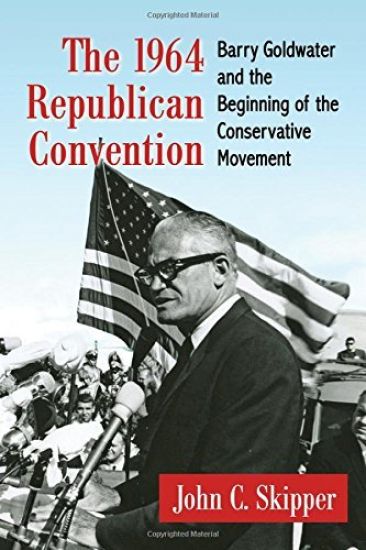
The 1964 Republican Convention

The 1964 Republican Convention

John C. Skipper

McFarland Co Inc
2016
pokkari
Arizona senator Barry Goldwater was a staunch conservative more interested in advancing the conservative cause than running for president. A "Draft Goldwater" campaign three years in the making catapulted him to the Republican nomination in 1964, despite bitter opposition within the party. He was defeated in a landslide by Lyndon Johnson but the right had established itself as a reinvigorated force in the years to come. This is a chronicle of the 1964 Republican convention and the beginnings of the modern conservative movement.
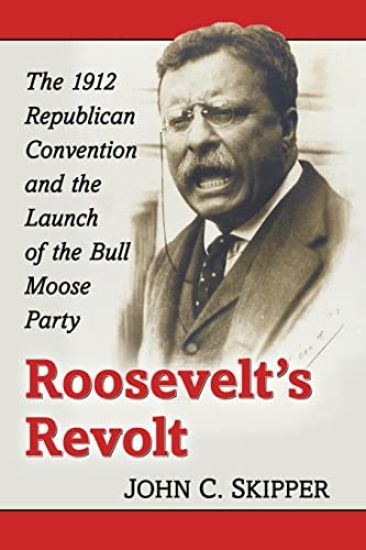
Roosevelt's Revolt

Roosevelt's Revolt

John C. Skipper

McFarland Co Inc
2018
pokkari
The presidential election of 1912 was the only one whose candidates included an incumbent president, a former president and a future president. Theodore Roosevelt, in the Oval Office from 1901 to 1909, chose not to run again. When his former Secretary of War, William Howard Taft, took controversial actions as his successor, Roosevelt challenged him for the 1912 Republican nomination. Taft emerged as the nominee and Roosevelt ran as a third-party candidate on the Progressive (Bull Moose) ticket, causing a split in the GOP that allowed Democrat Woodrow Wilson to win the presidency. The author examines the election in detail and traces the effects of Roosevelt's actions on the Republican Party for decades. Appendices detail Republican primary results and all of the parties' platforms and provide a summary of presidential assassinations and attempts.