
Kirjahaku
Etsi kirjoja tekijän nimen, kirjan nimen tai ISBN:n perusteella.
67 kirjaa tekijältä John Clarke
An Essay Upon the Education of Youth in Grammar-Schools. ... by John Clarke, ... the Third Edition. with Very Large Additions.
John Clarke
Gale Ecco, Print Editions
2010
pokkari
![A Sermon Delivered at the Church in Brattle-Street, January 2, 1784. at the Interment of the REV. Samuel Cooper, D.D. Who Expired, December 29, 1783. by John Clarke, A.M. Junior Pastor of the First Church in Boston. [Two Lines from Samuel].](/covers/9781140716709.jpg)
A Sermon Delivered at the Church in Brattle-Street, January 2, 1784. at the Interment of the REV. Samuel Cooper, D.D. Who Expired, December 29, 1783. by John Clarke, A.M. Junior Pastor of the First Church in Boston. [Two Lines from Samuel].
John Clarke
Gale Ecco, Print Editions
2010
pokkari
An Answer to the Question, Why Are You a Christian? by John Clarke, Minister of a Church in Boston. the Sixth Edition.
John Clarke
Gale Ecco, Print Editions
2010
pokkari

A Demonstration of Some of the Principal Sections of Sir Isaac Newton's Principles of Natural Philosophy. ... by John Clarke, ...
John Clarke
Gale Ecco, Print Editions
2010
pokkari
An Essay Upon Study. Wherein Directions are Given for the due Conduct Thereof, and the Collection of a Library, Proper for the Purpose, Consisting of the Choicest Books ... By John Clarke,
John Clarke
Gale Ecco, Print Editions
2018
sidottu
The 18th century was a wealth of knowledge, exploration and rapidly growing technology and expanding record-keeping made possible by advances in the printing press. In its determination to preserve the century of revolution, Gale initiated a revolution of its own: digitization of epic proportions to preserve these invaluable works in the largest archive of its kind. Now for the first time these high-quality digital copies of original 18th century manuscripts are available in print, making them highly accessible to libraries, undergraduate students, and independent scholars.The Age of Enlightenment profoundly enriched religious and philosophical understanding and continues to influence present-day thinking. Works collected here include masterpieces by David Hume, Immanuel Kant, and Jean-Jacques Rousseau, as well as religious sermons and moral debates on the issues of the day, such as the slave trade. The Age of Reason saw conflict between Protestantism and Catholicism transformed into one between faith and logic -- a debate that continues in the twenty-first century.++++The below data was compiled from various identification fields in the bibliographic record of this title. This data is provided as an additional tool in helping to insure edition identification: ++++British LibraryT108173Also issued as a part of: 'An essay upon the education of youth in grammar-schools', Dublin, 1736.Dublin: printed by S. Powell, for Edward Exshaw, 1736. vi,146p.; 12
![A Sermon Delivered at the Church in Brattle-Street, January 2, 1784. At the Interment of the Rev. Samuel Cooper, D.D. who Expired, December 29, 1783. By John Clarke, A.M. Junior Pastor of the First Church in Boston. [Two Lines From Samuel]](/covers/9781379336150.jpg)
A Sermon Delivered at the Church in Brattle-Street, January 2, 1784. At the Interment of the Rev. Samuel Cooper, D.D. who Expired, December 29, 1783. By John Clarke, A.M. Junior Pastor of the First Church in Boston. [Two Lines From Samuel]
John Clarke
Gale Ecco, Print Editions
2018
sidottu
The 18th century was a wealth of knowledge, exploration and rapidly growing technology and expanding record-keeping made possible by advances in the printing press. In its determination to preserve the century of revolution, Gale initiated a revolution of its own: digitization of epic proportions to preserve these invaluable works in the largest archive of its kind. Now for the first time these high-quality digital copies of original 18th century manuscripts are available in print, making them highly accessible to libraries, undergraduate students, and independent scholars.The Age of Enlightenment profoundly enriched religious and philosophical understanding and continues to influence present-day thinking. Works collected here include masterpieces by David Hume, Immanuel Kant, and Jean-Jacques Rousseau, as well as religious sermons and moral debates on the issues of the day, such as the slave trade. The Age of Reason saw conflict between Protestantism and Catholicism transformed into one between faith and logic -- a debate that continues in the twenty-first century.++++The below data was compiled from various identification fields in the bibliographic record of this title. This data is provided as an additional tool in helping to insure edition identification: ++++British LibraryW029137Half-title: Mr. Clarke's sermon, at the interment of the Rev. Dr. Cooper. Page 35 misnumbered 53 in some copies.Boston: Printed by John Gill, M, DCC, LXXXIV. 1784]. 35, 1] p.; 8

An Essay Upon the Education of Youth in Grammar-schools. ... By John Clarke, ... The Third Edition. With Very Large Additions
John Clarke
Gale Ecco, Print Editions
2018
sidottu
The 18th century was a wealth of knowledge, exploration and rapidly growing technology and expanding record-keeping made possible by advances in the printing press. In its determination to preserve the century of revolution, Gale initiated a revolution of its own: digitization of epic proportions to preserve these invaluable works in the largest archive of its kind. Now for the first time these high-quality digital copies of original 18th century manuscripts are available in print, making them highly accessible to libraries, undergraduate students, and independent scholars.Delve into what it was like to live during the eighteenth century by reading the first-hand accounts of everyday people, including city dwellers and farmers, businessmen and bankers, artisans and merchants, artists and their patrons, politicians and their constituents. Original texts make the American, French, and Industrial revolutions vividly contemporary.++++The below data was compiled from various identification fields in the bibliographic record of this title. This data is provided as an additional tool in helping to insure edition identification: ++++British LibraryT108856With a final advertisement leaf.London: printed for Charles Hitch, 1740. 4],222, 2]p.; 12

An Answer to the Question, Why are you a Christian? By John Clarke, Minister of a Church in Boston. The Sixth Edition
John Clarke
Gale Ecco, Print Editions
2018
sidottu
The 18th century was a wealth of knowledge, exploration and rapidly growing technology and expanding record-keeping made possible by advances in the printing press. In its determination to preserve the century of revolution, Gale initiated a revolution of its own: digitization of epic proportions to preserve these invaluable works in the largest archive of its kind. Now for the first time these high-quality digital copies of original 18th century manuscripts are available in print, making them highly accessible to libraries, undergraduate students, and independent scholars.The Age of Enlightenment profoundly enriched religious and philosophical understanding and continues to influence present-day thinking. Works collected here include masterpieces by David Hume, Immanuel Kant, and Jean-Jacques Rousseau, as well as religious sermons and moral debates on the issues of the day, such as the slave trade. The Age of Reason saw conflict between Protestantism and Catholicism transformed into one between faith and logic -- a debate that continues in the twenty-first century.++++The below data was compiled from various identification fields in the bibliographic record of this title. This data is provided as an additional tool in helping to insure edition identification: ++++British LibraryW037799"Advertisement from the first London edition of this work"--p. iii]-vii, signed: Theophilus Lindsey. Parentheses substituted for square brackets in imprint transcription.Boston: Printed and sold by Samuel Hall, no. 53, Cornhill, October, 1797. (Published according to act of Congress). vii, 4], 12-80 p.; 12
A Third Defence of Dr. Clarke's Demonstration of the Being and Attributes of God. Being a Vindication of the two Former Defences, in Answer to a Pamphlet, Entitled, Dr. Clarke's Notions of Space Examin'd, &c. By John Clarke
John Clarke
Gale Ecco, Print Editions
2018
sidottu
The 18th century was a wealth of knowledge, exploration and rapidly growing technology and expanding record-keeping made possible by advances in the printing press. In its determination to preserve the century of revolution, Gale initiated a revolution of its own: digitization of epic proportions to preserve these invaluable works in the largest archive of its kind. Now for the first time these high-quality digital copies of original 18th century manuscripts are available in print, making them highly accessible to libraries, undergraduate students, and independent scholars.The Age of Enlightenment profoundly enriched religious and philosophical understanding and continues to influence present-day thinking. Works collected here include masterpieces by David Hume, Immanuel Kant, and Jean-Jacques Rousseau, as well as religious sermons and moral debates on the issues of the day, such as the slave trade. The Age of Reason saw conflict between Protestantism and Catholicism transformed into one between faith and logic -- a debate that continues in the twenty-first century.++++The below data was compiled from various identification fields in the bibliographic record of this title. This data is provided as an additional tool in helping to insure edition identification: ++++British LibraryT084241London: printed for James, John, and Paul Knapton, 1733. 4],92p.; 8
An Essay Upon the Education of Youth in Grammar-schools. In Which the Vulgar Method of Teaching is Examined, and a new one Proposed, ... By John Clarke, ... The Second Edition. With Very Large Additions
John Clarke
Gale Ecco, Print Editions
2018
sidottu
The 18th century was a wealth of knowledge, exploration and rapidly growing technology and expanding record-keeping made possible by advances in the printing press. In its determination to preserve the century of revolution, Gale initiated a revolution of its own: digitization of epic proportions to preserve these invaluable works in the largest archive of its kind. Now for the first time these high-quality digital copies of original 18th century manuscripts are available in print, making them highly accessible to libraries, undergraduate students, and independent scholars.Delve into what it was like to live during the eighteenth century by reading the first-hand accounts of everyday people, including city dwellers and farmers, businessmen and bankers, artisans and merchants, artists and their patrons, politicians and their constituents. Original texts make the American, French, and Industrial revolutions vividly contemporary.++++The below data was compiled from various identification fields in the bibliographic record of this title. This data is provided as an additional tool in helping to insure edition identification: ++++British LibraryT144312With a final advertisement leaf.London: printed for Arthur Bettesworth, 1730. 4],222, 2]p.; 12

A Demonstration of Some of the Principal Sections of Sir Isaac Newton's Principles of Natural Philosophy. ... By John Clarke,
John Clarke
Gale Ecco, Print Editions
2018
sidottu
The 18th century was a wealth of knowledge, exploration and rapidly growing technology and expanding record-keeping made possible by advances in the printing press. In its determination to preserve the century of revolution, Gale initiated a revolution of its own: digitization of epic proportions to preserve these invaluable works in the largest archive of its kind. Now for the first time these high-quality digital copies of original 18th century manuscripts are available in print, making them highly accessible to libraries, undergraduate students, and independent scholars.Medical theory and practice of the 1700s developed rapidly, as is evidenced by the extensive collection, which includes descriptions of diseases, their conditions, and treatments. Books on science and technology, agriculture, military technology, natural philosophy, even cookbooks, are all contained here.++++The below data was compiled from various identification fields in the bibliographic record of this title. This data is provided as an additional tool in helping to insure edition identification: ++++British LibraryT144750London: printed for James and John Knapton, 1730. xvj,313, 7]p., XVII plates; 8

The Foundation of Morality in Theory and Practice Considered, in an Examination of the Learned Dr. Samuel Clarke's Opinion, Concerning the Original of Moral Obligation; ... By John Clarke,
John Clarke
Gale Ecco, Print Editions
2018
sidottu
The 18th century was a wealth of knowledge, exploration and rapidly growing technology and expanding record-keeping made possible by advances in the printing press. In its determination to preserve the century of revolution, Gale initiated a revolution of its own: digitization of epic proportions to preserve these invaluable works in the largest archive of its kind. Now for the first time these high-quality digital copies of original 18th century manuscripts are available in print, making them highly accessible to libraries, undergraduate students, and independent scholars.The Age of Enlightenment profoundly enriched religious and philosophical understanding and continues to influence present-day thinking. Works collected here include masterpieces by David Hume, Immanuel Kant, and Jean-Jacques Rousseau, as well as religious sermons and moral debates on the issues of the day, such as the slave trade. The Age of Reason saw conflict between Protestantism and Catholicism transformed into one between faith and logic -- a debate that continues in the twenty-first century.++++The below data was compiled from various identification fields in the bibliographic record of this title. This data is provided as an additional tool in helping to insure edition identification: ++++British LibraryT017532With a final leaf of advertisements and errata.York: printed by Thomas Gent: and sold by A. Bettesworth, London]; T. Hammond, jun. in York; and T. Ryles in Hull, 1726]. 112, 2]p.; 8
A Critical Review Of The Life, Character, Miracles And Resurrection Of Jesus Christ: In A Series Of Letters To Dr. Adam Clarke
John Clarke
KESSINGER PUBLISHING, LLC
2007
nidottu
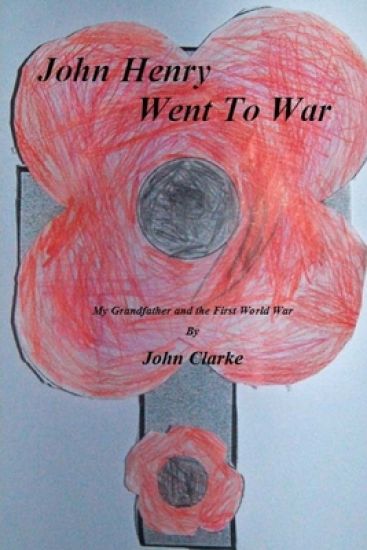
John Henry went to war: My Grandfather and the First World War
John Clarke
Createspace Independent Publishing Platform
2018
nidottu
Starting with a photograph, a name and a regiment this is an account of the research that took me to the spot where I believe my grandfather was killed.
A Critical Review Of The Life, Character, Miracles And Resurrection Of Jesus Christ
John Clarke
Kessinger Pub
2007
sidottu
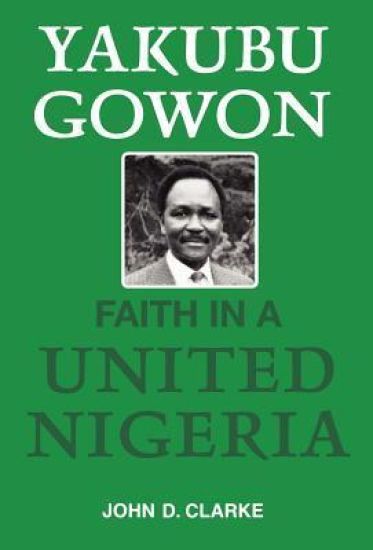
Yakuba Gowon was born in 1934 and became Head of State in Nigeria in 1966. After successfully commanding the armed forces of the Federal Government during the Civil War 1967-70, he guided the reconstruction of the country for a further five years. He was deposed in a coup in 1975. First Published in 1987. Routledge is an imprint of Taylor & Francis, an informa company.