Kirjojen hintavertailu. Mukana 11 244 527 kirjaa ja 12 kauppaa.

Kirjahaku

Etsi kirjoja tekijän nimen, kirjan nimen tai ISBN:n perusteella.

7 kirjaa tekijältä John Collis

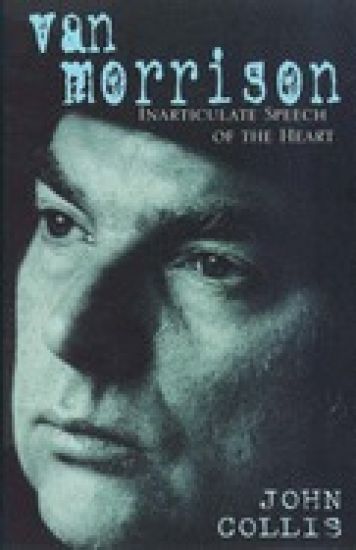
Van Morrison

Van Morrison

John Collis

Da Capo Press Inc
1997
pokkari
In an age when image and self-promotion increasingly dominate the rock industry, Van Morrison remains a proud, belligerent outsider. An intensely private man and a revelatory performer, he has communicated more deeply within the limits of rock songwriting--and has been less responsive to the obsessional inquiries of the media--than almost any other artist. Ever since connecting with classic American jazz, blues, and gospel music during his Belfast youth, Van Morrison has stayed one step ahead of fellow musicians, fans, and critics. From the explosive teenage days with Them, through the creation of 1968s seminal Astral Weeks, to the vocal and spiritual experimentation of Veedon Fleece and Into the Music, Morrison has never stopped developing complex lyrical and instrumental visions that defy easy classification. Enjoying commercial success, the recognition of a younger generation, and collaborations ranging from John Lee Hooker to Tom Jones, he continues to dazzle and beguile his audience.In this definitive survey of Van Morrison's life and music, John Collis charts the scale of his achievement and the sources of his creativity, and provides stimulating assessments of his music.Drawing on interviews with those closest to Morrison at every stage of his career, with a full discography and many rare photographs, Van Morrison: Inarticulate Speech of the Heart offers unique insight into one of rock's greatest singer-songwriters and most instantly recognizable voices.
The European Iron Age

The European Iron Age

John Collis

Routledge
1984
nidottu
This ambitious study documents the underlying features which link the civilizations of the Mediterranean - Phoenician, Greek, Etruscan and Roman - and the Iron Age cultures of central Europe, traditionally associated with the Celts. It deals with the social, economic and cultural interaction in the first millennium BC which culminated in the Roman Empire. The book has three principle themes: the spread of iron-working from its origins in Anatolia to its adoption over most of Europe; the development of a trading system throughout the Mediterrean world after the collapse of Mycenaean Greece and its spread into temperate Europe; and the rise of ever more complex societies, including states and cities, and eventually empires. Dr Collis takes a new look at such key concepts as population movement, diffusion, trade, social structure and spatial organization, with some challenging new views on the Celts in particular.
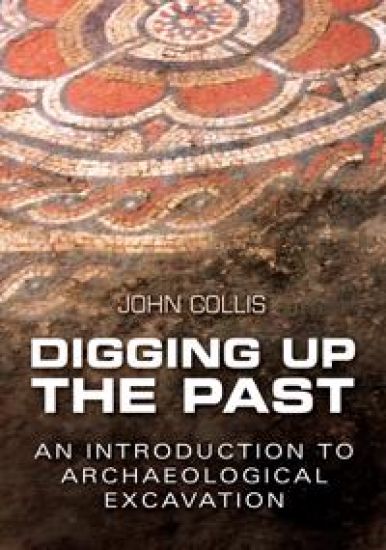
Digging Up the Past

Digging Up the Past

John Collis

The History Press Ltd
1996
nidottu
This concise and fully illustrated introduction to methods of excavation describes a technique that is essential for all kinds of archaeology. It presents new ideas on excavation techniques and challenges traditional approaches to site organisation and recording. John Collis uses his 40 years of excavation experience to recommend practical solutions to problems, and considers the impact of computerisation and other technical innovations. He also describes the history and development of archaeological excavation which provides a background to the methods employed today. This practical common sense guide should find a place on the bookshelf of everyone who practices archaeology on a professional or amateur basis, and is illuminating reading for anyone who wants to understand how archaeologists can recover the past by digging in the soil.
The Celts

The Celts

John Collis

The History Press Ltd
2003
nidottu
We use the word ‘Celtic’ fast and loose – it evokes something mythical and romantic about our past – but what exactly does it mean? Furthermore, why do people believe that there were Celts in Britain and what relationship do they have to the ancient Celts? This fascinating book focuses particularly on how the Celts were re-invented in the sixteenth and seventeenth centuries, and how the legacy of mistaken interpretations still affects the way we understand the ancient sources and archaeological evidence.
The European Iron Age

The European Iron Age

John Collis

Routledge
2015
sidottu
This ambitious study documents the underlying features which link the civilizations of the Mediterranean - Phoenician, Greek, Etruscan and Roman - and the Iron Age cultures of central Europe, traditionally associated with the Celts. It deals with the social, economic and cultural interaction in the first millennium BC which culminated in the Roman Empire. The book has three principle themes: the spread of iron-working from its origins in Anatolia to its adoption over most of Europe; the development of a trading system throughout the Mediterrean world after the collapse of Mycenaean Greece and its spread into temperate Europe; and the rise of ever more complex societies, including states and cities, and eventually empires. Dr Collis takes a new look at such key concepts as population movement, diffusion, trade, social structure and spatial organization, with some challenging new views on the Celts in particular.
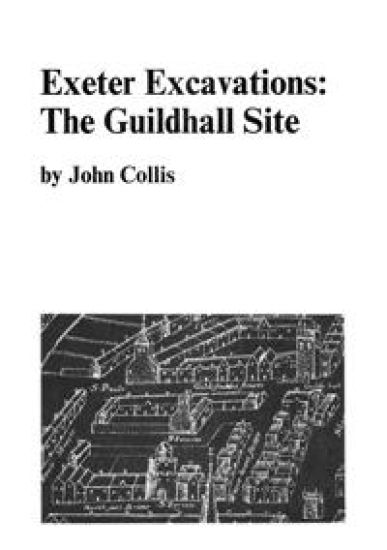
Exeter Excavations: the Guildhall Site

Exeter Excavations: the Guildhall Site

John Collis

UNIVERSITY OF EXETER PRESS
1972
nidottu
Redevelopment of this open space in the middle of Exeter gave archaeologists an opportunity to explore the earliest settlement. Did it have its origin as a major Roman fort? There is little evidence of occupation before the Roman conquest but substantial evidence from the first century AD. The author also documents finds from the Saxon and Medieval towns.