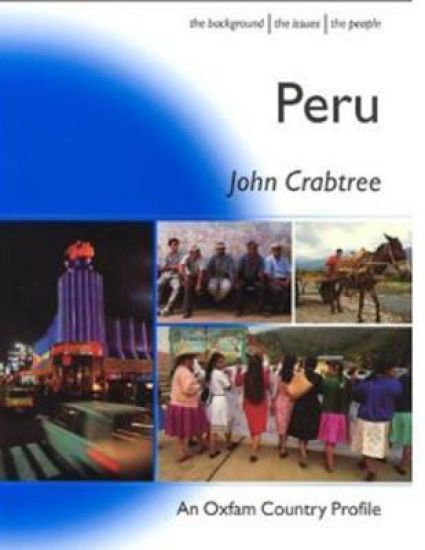
This outstanding series provides concise and lively introductions to countries and the major development issues they face. Packed full of factual information, photographs, and maps, the guides also focus on ordinary people and the impact that historical, economic and environmental issues have on their lives.
Title: A Concise History of the Parish and Vicarage of Halifax, in the county of York.Publisher: British Library, Historical Print EditionsThe British Library is the national library of the United Kingdom. It is one of the world's largest research libraries holding over 150 million items in all known languages and formats: books, journals, newspapers, sound recordings, patents, maps, stamps, prints and much more. Its collections include around 14 million books, along with substantial additional collections of manuscripts and historical items dating back as far as 300 BC.The HISTORY OF BRITAIN & IRELAND collection includes books from the British Library digitised by Microsoft. As well as historical works, this collection includes geographies, travelogues, and titles covering periods of competition and cooperation among the people of Great Britain and Ireland. Works also explore the countries' relations with France, Germany, the Low Countries, Denmark, and Scandinavia. ++++The below data was compiled from various identification fields in the bibliographic record of this title. This data is provided as an additional tool in helping to insure edition identification: ++++ British Library Crabtree, John; 1836. ix. 563 p.; 8 . 10360.ee.23.
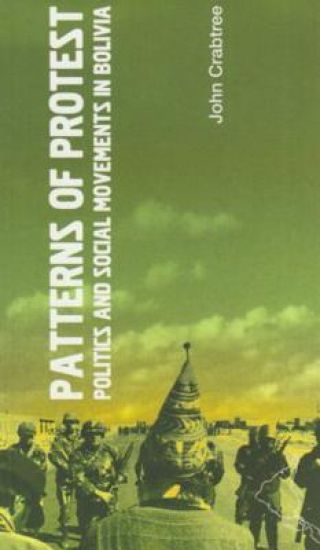
Bolivia leapt onto the front pages of the news in October 2003, when the 'Gas Wars' protests caused the ousting of Bolivia's President, Gonzalo Sanchez de Lozada. In the Gas Wars the indigenous inhabitants, trade unions, and other civil society groups came together to protest the sale of Bolivian natural gas to the United States through a pipeline leading to Chile. In the unrest protestors were killed, and calls for the President to resign grew ever louder. Bolivia has a long history of social protest. In Cochabamba in 2000, the Water Wars saw nearly 10,000 people take to the streets against the privatisation of water. The Bolivian peoples' strong stance against foreign interests and the sale of their natural resources has been triggered by US pressure; first in the 'war on drugs' - the fumigation of 'illegal' coca crops - and pressure waged on a wider front of IMF structural adjustments, and the neo-liberal regime. In Patterns of Protest, UK-based Andean expert John Crabtree explains the antecedents of a poor country's struggle against its most powerful neighbours, and the predatory interests of global capitalism.In a strongly indigenous nation, explains the influence of Quechua and Aymara identity and organising in Bolivian politics, and analyses the unique way that Boliva has united disparate populations - the urban working class and the rural indigenous people - to demand that Bolivian natural resources benefit Bolivians first.