Kirjojen hintavertailu. Mukana 11 451 127 kirjaa ja 12 kauppaa.

Kirjahaku

Etsi kirjoja tekijän nimen, kirjan nimen tai ISBN:n perusteella.

8 kirjaa tekijältä John G. Peters

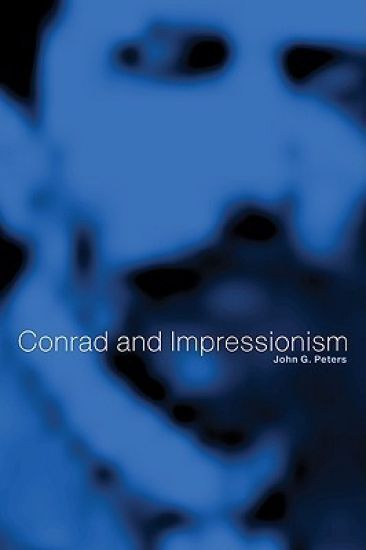
Conrad and Impressionism

Conrad and Impressionism

John G. Peters

Cambridge University Press
2007
pokkari
In this 2001 book, John Peters investigates the impact of Impressionism on Conrad and links this to his literary techniques as well as his philosophical and political views. Impressionism, Peters argues, enabled Conrad to encompass both surface and depth not only in visually perceived phenomena but also in his narratives and objects of consciousness, be they physical objects, human subjects, events or ideas. Though traditionally thought of as a sceptical writer, Peters claims that through Impressionism Conrad developed a coherent and mostly traditional view of ethical and political principles, a claim he supports through reference to a broad range of Conrad's texts. Conrad and Impressionism investigates the sources and implications of Conrad's impressionism in order to argue for a consistent link between his literary technique, philosophical presuppositions and socio-political views. The same core ideas concerning the nature of human experience run throughout his works.
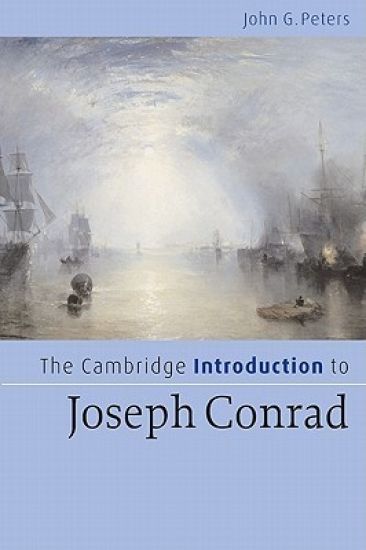
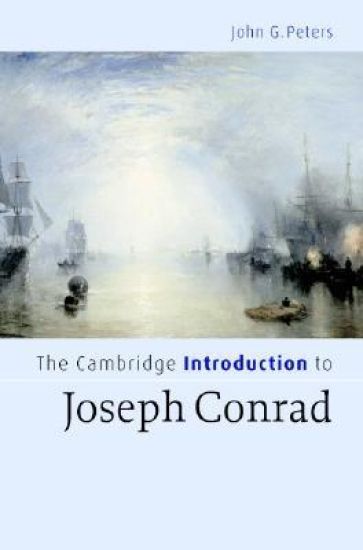
The Cambridge Introduction to Joseph Conrad

The Cambridge Introduction to Joseph Conrad

John G. Peters

Cambridge University Press
2006
pokkari
Joseph Conrad is one of the most intriguing and important modernist novelists. His writing continues to preoccupy twenty-first-century readers. This introduction by a leading scholar is aimed at students coming to Conrad's work for the first time. The rise of postcolonial studies has inspired interest in Conrad's themes of travel, exploration, and racial and ethnic conflict. John Peters explains how these themes are explored in his major works, Nostromo, Lord Jim and Heart of Darkness, as well as his short stories. He provides an essential overview of Conrad's fascinating life and career and his approach to writing and literature. A guide to further reading is included which points to some of the most useful secondary criticism on Conrad. This is a most comprehensive and concise introduction to studying Conrad, and will be essential reading for students of the twentieth-century novel and of modernism.
Conrad and Impressionism

Conrad and Impressionism

John G. Peters

Cambridge University Press
2001
sidottu
In this 2001 book, John Peters investigates the impact of Impressionism on Conrad and links this to his literary techniques as well as his philosophical and political views. Impressionism, Peters argues, enabled Conrad to encompass both surface and depth not only in visually perceived phenomena but also in his narratives and objects of consciousness, be they physical objects, human subjects, events or ideas. Though traditionally thought of as a sceptical writer, Peters claims that through Impressionism Conrad developed a coherent and mostly traditional view of ethical and political principles, a claim he supports through reference to a broad range of Conrad's texts. Conrad and Impressionism investigates the sources and implications of Conrad's impressionism in order to argue for a consistent link between his literary technique, philosophical presuppositions and socio-political views. The same core ideas concerning the nature of human experience run throughout his works.
The Cambridge Introduction to Joseph Conrad

The Cambridge Introduction to Joseph Conrad

John G. Peters

Cambridge University Press
2006
sidottu
Joseph Conrad is one of the most intriguing and important modernist novelists. His writing continues to preoccupy twenty-first-century readers. This introduction by a leading scholar is aimed at students coming to Conrad's work for the first time. The rise of postcolonial studies has inspired interest in Conrad's themes of travel, exploration, and racial and ethnic conflict. John Peters explains how these themes are explored in his major works, Nostromo, Lord Jim and Heart of Darkness, as well as his short stories. He provides an essential overview of Conrad's fascinating life and career and his approach to writing and literature. A guide to further reading is included which points to some of the most useful secondary criticism on Conrad. This is a most comprehensive and concise introduction to studying Conrad, and will be essential reading for students of the twentieth-century novel and of modernism.
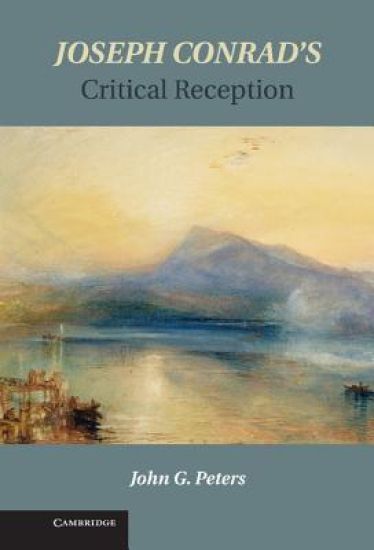
Joseph Conrad's Critical Reception

Joseph Conrad's Critical Reception

John G. Peters

Cambridge University Press
2013
sidottu
Throughout the twentieth and twenty-first centuries, Joseph Conrad's novels and short stories have consistently figured into - and helped to define - the dominant trends in literary criticism. This book is the first to provide a thorough yet accessible overview of Conrad scholarship and criticism spanning the entire history of Conrad studies, from the 1895 publication of his first book, Almayer's Folly, to the present. While tracing the general evolution of the commentary surrounding Conrad's work, John G. Peters's careful analysis also evaluates Conrad's impact on critical trends such as the belles lettres tradition, the New Criticism, psychoanalysis, structuralist and post-structuralist criticism, narratology, postcolonial studies, gender and women's studies, and ecocriticism. The breadth and scope of Peters's study make this text an essential resource for Conrad scholars and students of English literature and literary criticism.
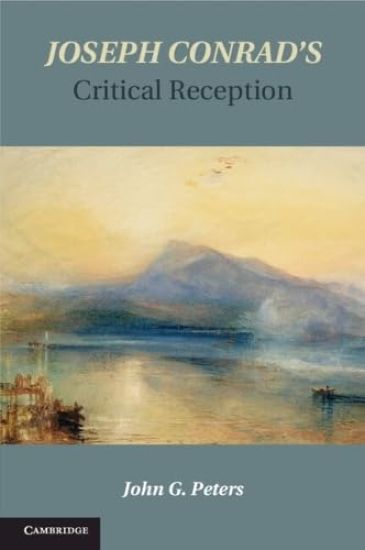
Joseph Conrad's Critical Reception

Joseph Conrad's Critical Reception

John G. Peters

Cambridge University Press
2023
nidottu
Throughout the twentieth and twenty-first centuries, Joseph Conrad's novels and short stories have consistently figured into - and helped to define - the dominant trends in literary criticism. This book is the first to provide a thorough yet accessible overview of Conrad scholarship and criticism spanning the entire history of Conrad studies, from the 1895 publication of his first book, Almayer's Folly, to the present. While tracing the general evolution of the commentary surrounding Conrad's work, John G. Peters's careful analysis also evaluates Conrad's impact on critical trends such as the belles lettres tradition, the New Criticism, psychoanalysis, structuralist and post-structuralist criticism, narratology, postcolonial studies, gender and women's studies, and ecocriticism. The breadth and scope of Peters's study make this text an essential resource for Conrad scholars and students of English literature and literary criticism.
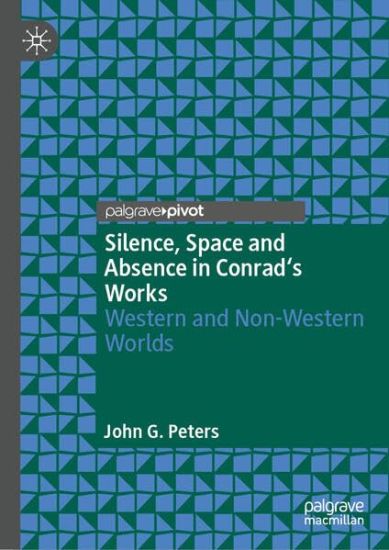
Silence, Space and Absence in Conrad's Works

Silence, Space and Absence in Conrad's Works

John G. Peters

Springer International Publishing AG
2023
sidottu
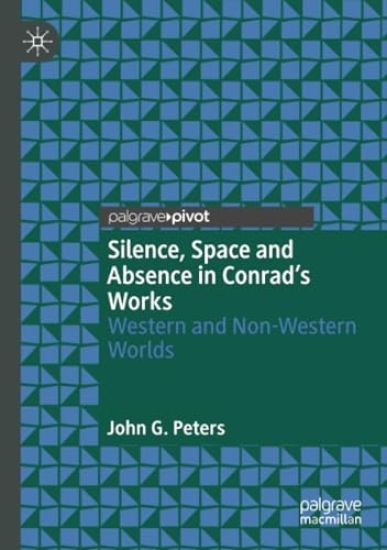
This book considers the relationship between sound and silence in the works of Joseph Conrad, along with their ties to Western and non-Western space. Throughout Conrad’s works, a pattern emerges where Western space is associated with sound and non-Western space is associated with silence; similarly, Western space is portrayed as full of objects and activity, whereas non-Western space is portrayed as empty. As these tales progress, though, Conrad’s characters embark on transformational journeys that cause them to reassess the world they live in and sometimes even the nature of the universe. These journeys invariably occur through encountering non-Western space, and during the course of these journeys, the dichotomy between Western space, perceived as replete with sound and activity, and non-Western space, empty of such, blurs such that the fullness of the West is revealed to be simply a surface hiding the emptiness beneath. In the end, both Western and non-Western space are revealedto be absences, as the absence of sound becomes a correlative for the emptiness of space and the emptiness of space becomes a metonym for the cosmological emptiness of nothingness.
Silence, Space and Absence in Conrad's Works

Silence, Space and Absence in Conrad's Works

John G. Peters

Springer International Publishing AG
2024
nidottu
This book considers the relationship between sound and silence in the works of Joseph Conrad, along with their ties to Western and non-Western space. Throughout Conrad’s works, a pattern emerges where Western space is associated with sound and non-Western space is associated with silence; similarly, Western space is portrayed as full of objects and activity, whereas non-Western space is portrayed as empty. As these tales progress, though, Conrad’s characters embark on transformational journeys that cause them to reassess the world they live in and sometimes even the nature of the universe. These journeys invariably occur through encountering non-Western space, and during the course of these journeys, the dichotomy between Western space, perceived as replete with sound and activity, and non-Western space, empty of such, blurs such that the fullness of the West is revealed to be simply a surface hiding the emptiness beneath. In the end, both Western and non-Western space are revealedto be absences, as the absence of sound becomes a correlative for the emptiness of space and the emptiness of space becomes a metonym for the cosmological emptiness of nothingness.