Kirjojen hintavertailu. Mukana 11 244 527 kirjaa ja 12 kauppaa.

Kirjahaku

Etsi kirjoja tekijän nimen, kirjan nimen tai ISBN:n perusteella.

8 kirjaa tekijältä John G. Stackhouse

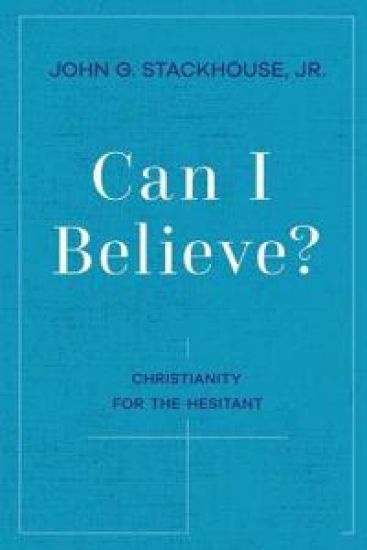
Can I Believe?

Can I Believe?

John G. Stackhouse

Oxford University Press Inc
2020
nidottu
Maybe Christianity is actually true. Maybe it is what believers say it is. But at least two problems make the thoughtful person hesitate. First, there are so many other options. How could one possibly make one's way through them to anything like a rational and confident conclusion? Second, why do so many people choose to be Christian in the face of so many reasons not to be Christian? Yes, many people grow up in Christian homes and in societies, but many more do not. Yet Christianity has become the most popular religion in the world. Why? This book begins by taking on the initial challenge as it outlines a process: how to think about religion in a responsible way, rather than settling for such soft vagaries as "faith" and "feeling". It then clears away a number of misunderstandings from the basic story of the Christian religion, misunderstandings that combine to domesticate this startling narrative and thus to repel reasonable people who might otherwise be intrigued. The second half of the book then looks at Christian commitment positively and negatively. Why do two billion find this religion to be persuasive, thus making it the most popular "explanation of everything" in human history? At the same time, how does Christianity respond to the fact that so many people find it utterly implausible, especially because so many Christians insist that theirs is the only way to God and because of the problem of evil that seems to undercut everything Christianity asserts? Grounded in scholarship but never ponderous, Can I Believe? refuses to dodge the hard questions as it welcomes the intelligent inquirer to give Christianity at least one good look.
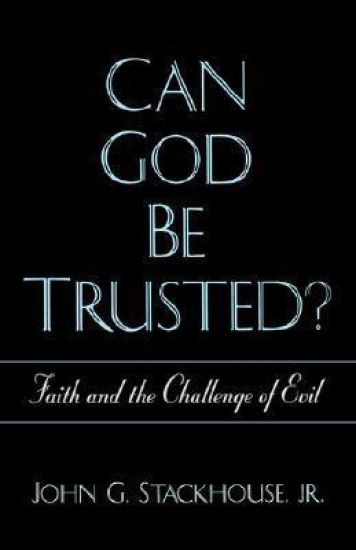
Can God Be Trusted?

Can God Be Trusted?

John G. Stackhouse

Oxford University Press Inc
1998
sidottu
Why does an all-powerful, all good God allow evil to happen? This book offers a lucid and accessible overview of this intractable problem. It presents the reflections of classical and contemporary thinkers, and gives clues as to how God governs the cosmos, while arguing that a comprehensive explanation is not available. Instead, it asks whether God can be trusted in spite of evil and suggests why the reply can ultimately be "Yes."
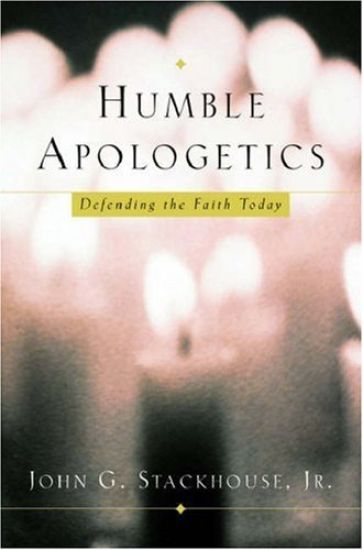
Humble Apologetics

Humble Apologetics

John G. Stackhouse

Oxford University Press Inc
2002
sidottu
Is it still possible, in an age of religious and cultural pluralism, to engage in Christian apologetics? How can one urge one's faith on others when such a gesture is typically regarded with suspicion, if not outright resentment? In Humble Apologetics John G. Stackhouse brings his wide experience as a historian, philosopher, journalist, and theologian to these important questions and offers surprising--and reassuring--answers. Stackhouse begins by acknowledging the real impediments to Christian testimony in North America today and to other faiths in modern societies around the world. He shows how pluralism, postmodernism, skepticism about our ability to know the truth, and a host of other factors create a cultural milieu resistant to the Christian message. And he shows how the arrogance or dogmatism of apologists themselves can alienate rather than attract potential converts. Indeed, Stackhouse argues that the crucial experience of conversion cannot be compelled; all the apologist can do is lead another to the point where an actual encounter with Jesus can take place. "Our objective," Stackhouse writes, "is to offer whatever assistance we can to our neighbors toward their full maturity: toward full health in themselves and in their relationships, and especially toward God." In the last part of the book, he shows how an attitude of humility, instead of merely trying to win religious arguments, will help believers offer their neighbors the gift of Christ's love. Drawing on the author's personal experience and written with an engaging directness and humility, Humble Apologetics provides sound guidance on how to share Christian faith in a postmodern world.
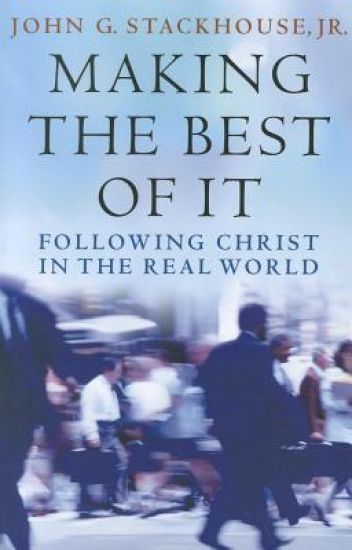
Making the Best of It

Making the Best of It

John G. Stackhouse

Oxford University Press Inc
2008
sidottu
What should be the Christian's attitude toward society? When so much of our contemporary culture is at odds with Christian beliefs and mores, it may seem that serious Christians now have only two choices: transform society completely according to Christian values or retreat into the cloister of sectarian fellowship. In Making the Best of It, John Stackhouse explores the history of the Christian encounter with society, the biblical record, and various theological models of cultural engagement to offer a more balanced and fruitful alternative to these extremes. He argues that, rather than trying to root up the weeds in the cultural field, or trying to shun them, Christians should practice persistence in gardening God's world and building toward the New Jerusalem. Examining the lives and works of C. S. Lewis, Reinhold Niebuhr, and Dietrich Bonhoeffer for example and direction, Stackhouse suggests that our mission is to make the most of life in the world in cooperation with God's own mission of redeeming the world he loves.This model takes seriously the pattern of God's activity in the Bible, and in subsequent history, of working through earthly means--through individuals, communities, and institutions that are deeply flawed but nonetheless capable of accomplishing God's purposes. Christians must find a way to live in this world and at the same time do work that honors God and God's plan for us. In an era of increasing religious and cultural tensions, both internationally and domestically, the model that Stackhouse develops discourages the "all or nothing" attitudes that afflict so much much of contemporary Christianity. Instead, he offers a fresh, and refreshingly nuanced, take on the question of what it means to be a Christian in the world today.
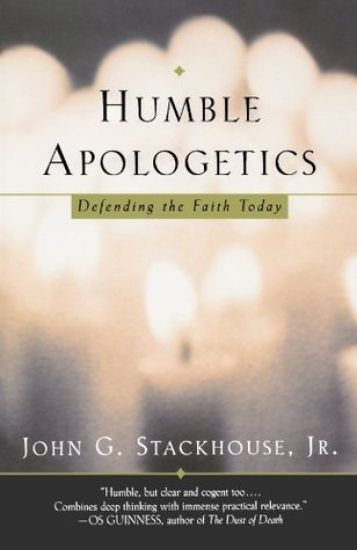
Humble Apologetics

Humble Apologetics

John G. Stackhouse

Oxford University Press Inc
2006
nidottu
Is it still possible, in an age of religious and cultural pluralism, to engage in Christian apologetics? How can one urge one's faith on others when such a gesture is typically regarded with suspicion, if not outright resentment? In Humble Apologetics John G. Stackhouse brings his wide experience as a historian, philosopher, journalist, and theologian to these important questions and offers surprising--and reassuring--answers. Stackhouse begins by acknowledging the real impediments to Christian testimony in North America today and to other faiths in modern societies around the world. He shows how pluralism, postmodernism, skepticism about our ability to know the truth, and a host of other factors create a cultural milieu resistant to the Christian message. And he shows how the arrogance or dogmatism of apologists themselves can alienate rather than attract potential converts. Indeed, Stackhouse argues that the crucial experience of conversion cannot be compelled; all the apologist can do is lead another to the point where an actual encounter with Jesus can take place. "Our objective," Stackhouse writes, "is to offer whatever assistance we can to our neighbors toward their full maturity: toward full health in themselves and in their relationships, and especially toward God." In the last part of the book, he shows how an attitude of humility, instead of merely trying to win religious arguments, will help believers offer their neighbors the gift of Christ's love. Drawing on the author's personal experience and written with an engaging directness and humility, Humble Apologetics provides sound guidance on how to share Christian faith in a postmodern world.
Making the Best of It

Making the Best of It

John G. Stackhouse

Oxford University Press Inc
2011
nidottu
What should be the Christian's attitude toward society? When so much of our contemporary culture is at odds with Christian beliefs and mores, it may seem that serious Christians now have only two choices: transform society completely according to Christian values or retreat into the cloister of sectarian fellowship. In Making the Best of It, John Stackhouse explores the history of the Christian encounter with society, the biblical record, and various theological models of cultural engagement to offer a more balanced and fruitful alternative to these extremes. He argues that, rather than trying to root up the weeds in the cultural field, or trying to shun them, Christians should practice persistence in gardening God's world and building toward the New Jerusalem. Examining the lives and works of C. S. Lewis, Reinhold Niebuhr, and Dietrich Bonhoeffer for example and direction, Stackhouse suggests that our mission is to make the most of life in the world in cooperation with God's own mission of redeeming the world he loves. This model takes seriously the pattern of God's activity in the Bible, and in subsequent history, of working through earthly means--through individuals, communities, and institutions that are deeply flawed but nonetheless capable of accomplishing God's purposes. Christians must find a way to live in this world and at the same time do work that honors God and God's plan for us. In an era of increasing religious and cultural tensions, both internationally and domestically, the model that Stackhouse develops discourages the "all or nothing" attitudes that afflict so much of contemporary Christianity. Instead, he offers a fresh, and refreshingly nuanced, take on the question of what it means to be a Christian in the world today.