
Kirjahaku
Etsi kirjoja tekijän nimen, kirjan nimen tai ISBN:n perusteella.
44 kirjaa tekijältä John Hamilton
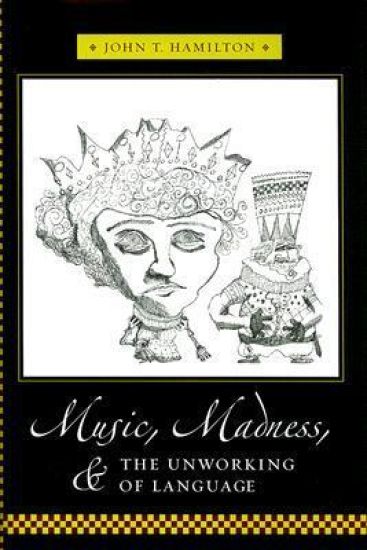
In the romantic tradition, music is consistently associated with madness, either as cause or cure. Writers as diverse as Kleist, Hoffmann, and Nietzsche articulated this theme, which in fact reaches back to classical antiquity and continues to resonate in the modern imagination. What John Hamilton investigates in this study is the way literary, philosophical, and psychological treatments of music and madness challenge the limits of representation and thereby create a crisis of language. Special focus is given to the decidedly autobiographical impulse of the late eighteenth and early nineteenth centuries, where musical experience and mental disturbance disrupt the expression of referential thought, illuminating the irreducible aspects of the self before language can work them back into a discursive system. The study begins in the 1750s with Diderot's Neveu de Rameau, and situates that text in relation to Rousseau's reflections on the voice and the burgeoning discipline of musical aesthetics. Upon tracing the linkage of music and madness that courses through the work of Herder, Hegel, Wackenroder, and Kleist, Hamilton turns his attention to E. T. A. Hoffmann, whose writings of the first decades of the nineteenth century accumulate and qualify the preceding tradition. Throughout, Hamilton considers the particular representations that link music and madness, investigating the underlying motives, preconceptions, and ideological premises that facilitate the association of these two experiences. The gap between sensation and its verbal representation proved especially problematic for romantic writers concerned with the ineffability of selfhood. The author who chose to represent himself necessarily faced problems of language, which invariably compromised the uniqueness that the author wished to express. Music and madness, therefore, unworked the generalizing functions of language and marked a critical limit to linguistic capabilities. While the various conflicts among music, madness, and language questioned the viability of signification, they also raised the possibility of producing meaning beyond significance.

In the romantic tradition, music is consistently associated with madness, either as cause or cure. Writers as diverse as Kleist, Hoffmann, and Nietzsche articulated this theme, which in fact reaches back to classical antiquity and continues to resonate in the modern imagination. What John Hamilton investigates in this study is the way literary, philosophical, and psychological treatments of music and madness challenge the limits of representation and thereby create a crisis of language. Special focus is given to the decidedly autobiographical impulse of the late eighteenth and early nineteenth centuries, where musical experience and mental disturbance disrupt the expression of referential thought, illuminating the irreducible aspects of the self before language can work them back into a discursive system. The study begins in the 1750s with Diderot's Neveu de Rameau, and situates that text in relation to Rousseau's reflections on the voice and the burgeoning discipline of musical aesthetics. Upon tracing the linkage of music and madness that courses through the work of Herder, Hegel, Wackenroder, and Kleist, Hamilton turns his attention to E. T. A. Hoffmann, whose writings of the first decades of the nineteenth century accumulate and qualify the preceding tradition. Throughout, Hamilton considers the particular representations that link music and madness, investigating the underlying motives, preconceptions, and ideological premises that facilitate the association of these two experiences. The gap between sensation and its verbal representation proved especially problematic for romantic writers concerned with the ineffability of selfhood. The author who chose to represent himself necessarily faced problems of language, which invariably compromised the uniqueness that the author wished to express. Music and madness, therefore, unworked the generalizing functions of language and marked a critical limit to linguistic capabilities. While the various conflicts among music, madness, and language questioned the viability of signification, they also raised the possibility of producing meaning beyond significance.
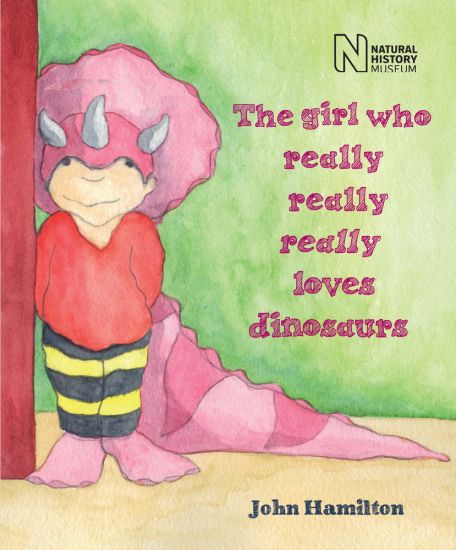
The girl who really really really loves dinosaurs
John Hamilton
The Natural History Museum
2018
nidottu
Lara loves dinosaurs. No. Lara is mad about dinosaurs. And she really really really wants one of her own. She goes looking for her very own dinosaur at the Museum, and while things don't work out quite how she expected, she discovers that she really didn't have to go so far from her own home after all. A charmingly illustrated and educational picture book for all young children who love dinosaurs.
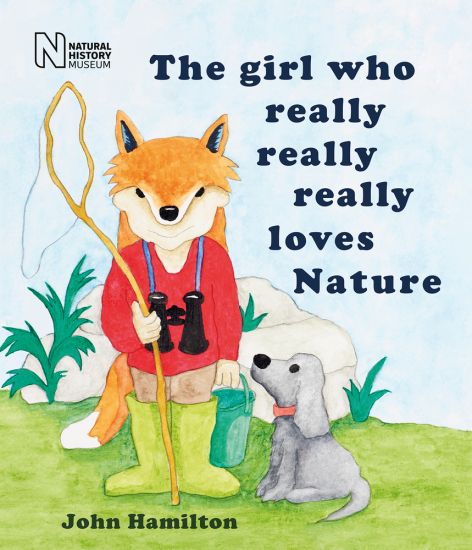
The girl who really, really, really loves Nature
John Hamilton
THE NATURAL HISTORY MUSEUM
2021
nidottu
Lara loves nature - she's nuts about nature. She explores her back garden with her dog Cassie, and discovers bird's nests, caterpillars, worms and snails. But she really, really, really wants to learn more about the mysterious creatures she finds at the pond... A charmingly illustrated and educational picture book for all young children who love the outdoors.

Constitutions of the Ancient Fraternity of Free & Accepted Masons Under the Grand Lodge of Tasmania 1903
John Hamilton
Kessinger Pub
2003
pokkari
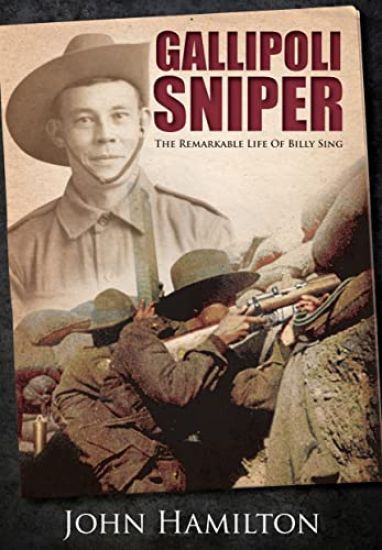
Billy Sing was a small, dark man and a deadly killer. When, as a member of the Australian Imperial Force 5th Light Horse, he was thrust onto the narrow strip of land held by the Australians on Gallipoli, he witnessed the terrible effects of the Turkish snipers and decided to fight fire with fire. Using a simple Lee Enfield .303 rifle, Sing began to pick off unwary Turks who exposed themselves. Assisted by a spotter who would single out targets for him, Sing acquired an unrivalled reputation as he killed increasing numbers of enemy soldiers. He became known as the Anzac Angel of Death and the Assassin of Gallipoli and was considered to be the most successful sniper and most feared man in Gallipoli. The Turks, aware of his reputation decided to target Sing with their own marksman. In a deadly duel, Sing fired first and killed Abdul the Terrible. This is a vivid account of the merciless nature of the fighting in the Gallipoli Campaign from an award-winning journalist and best-selling author.
The Constitutions of the Ancient Fraternity of Free and Accepted Masons Under the Grand Lodge of Tasmania
John Hamilton
Literary Licensing, LLC
2014
nidottu
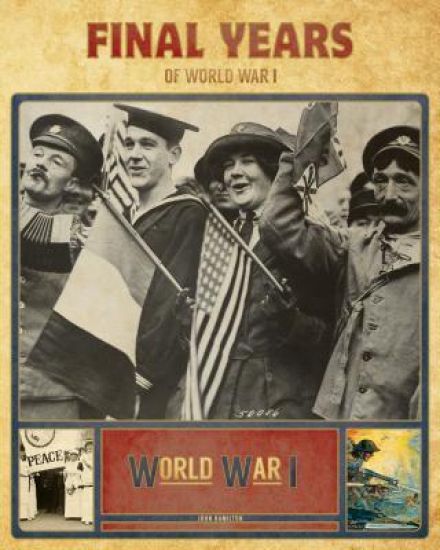
World War I is known as the "war to end all wars." In this title readers will learn about the final years of World War I, including Russia's collapse and continued threats from Germany that forced the USA to join. Final battles and strategies are explained along with the descriptions of peace treaties and lasting effect of the war. Aligned to Common Core Standards and correlated to state standards. Abdo & Daughters is an imprint of Abdo Publishing, a division of ABDO.
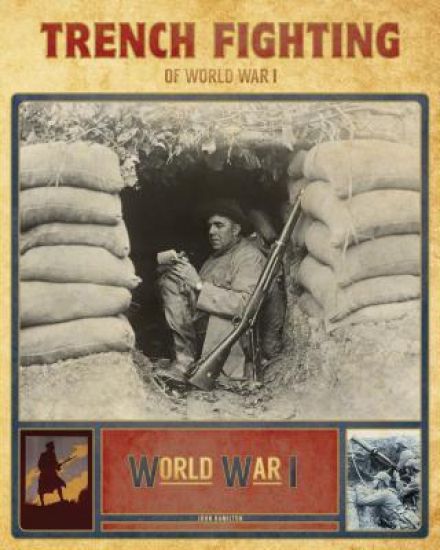
World War I is known as the "war to end all wars." In this title readers will get a first hand look at life in the trenches. Primary sources, data, and research are used to explain the horrors that took place in them, as well as sanitary conditions, structure, and soldier assignments. Aligned to Common Core Standards and correlated to state standards. Abdo & Daughters is an imprint of Abdo Publishing, a division of ABDO.
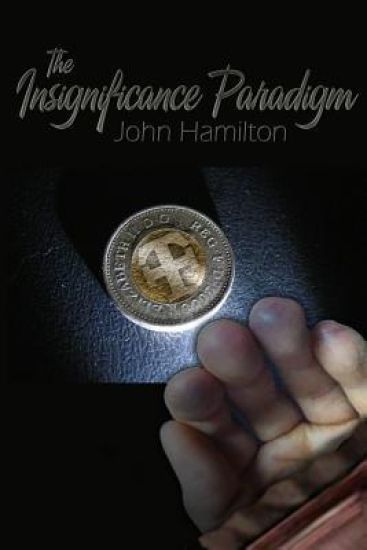
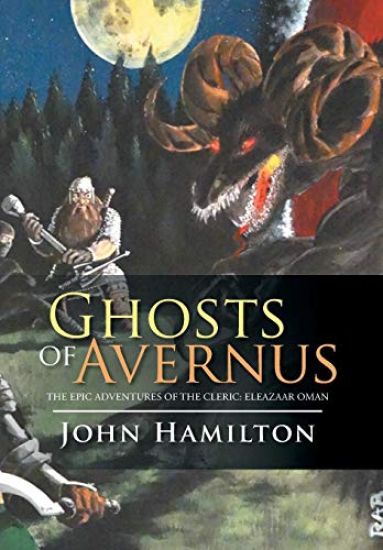
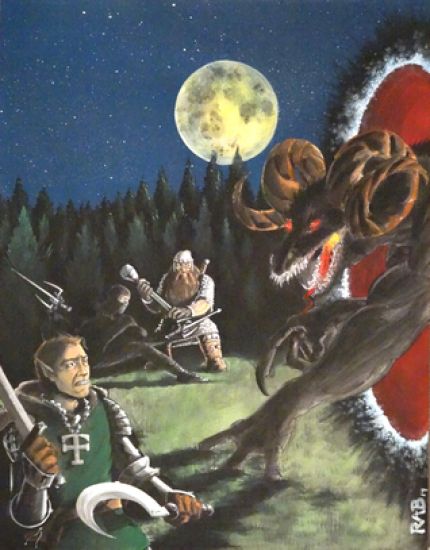
Coming of age is never easy, as Eleazaar was about to learn. Cast out of place and time into a new world, there were a lot of adjustments to be made already. Now at age seventeen, he was about to graduate from the seminary and enter into a violent world where his choices would matter to more than just himself. In the rural town of Luitgarde, people have been disappearing for weeks and answers evade authorities. With only a single, if unsubstantial lead to go on, the church sends its most promising student with a team into the depths of an old forest to search for the cause. Some of the most important lessons in life are learned the hard way. The choices one makes always has consequences and often determines their future. He could never have imagined just how much one of those choices, so simple and seemingly insignificant at the time, would impact what was about to come to pass, or how it would change the course of his life forever.