Kirjojen hintavertailu. Mukana 12 016 292 kirjaa ja 12 kauppaa.

Kirjahaku

Etsi kirjoja tekijän nimen, kirjan nimen tai ISBN:n perusteella.

7 kirjaa tekijältä John Lancaster

Art in the Primary School

Art in the Primary School

John Lancaster

Routledge
1990
nidottu
Art has always been an important part of the primary school experience. It is now one of the foundation subjects in the National Curriculum. In this book, John Lancaster helps teachers rise to the challenge of art for young children. He encourages thought about the purpose of art teaching, and at the same time provides a wealth of project ideas and helpful advice on how to organize art, craft and design in the primary classroom. The book, fully illustrated with charts and black and white plates, gives practical advice on how to: define suitable objectives and plan lessons so as to achieve them make the best use of natural and man-made resources within and outside the classroom present children's work effectively by display throughout the school encourage aesthetic awareness and art knowledge by a study of the historical and cultural aspects Organise and benefit from visits to local art galleries approach assessment of children's art and craft activities This is a basic philosophical and practical guide which will give confidence to new teachers and fresh ideas to their more experienced colleagues.

Art in the Primary School

Art in the Primary School

John Lancaster

Routledge
2016
sidottu
Art has always been an important part of the primary school experience. It is now one of the foundation subjects in the National Curriculum. In this book, John Lancaster helps teachers rise to the challenge of art for young children. He encourages thought about the purpose of art teaching, and at the same time provides a wealth of project ideas and helpful advice on how to organize art, craft and design in the primary classroom. The book, fully illustrated with charts and black and white plates, gives practical advice on how to: define suitable objectives and plan lessons so as to achieve them make the best use of natural and man-made resources within and outside the classroom present children's work effectively by display throughout the school encourage aesthetic awareness and art knowledge by a study of the historical and cultural aspects Organise and benefit from visits to local art galleries approach assessment of children's art and craft activities This is a basic philosophical and practical guide which will give confidence to new teachers and fresh ideas to their more experienced colleagues.
The Great Air Race: Glory, Tragedy, and the Dawn of American Aviation

The Great Air Race: Glory, Tragedy, and the Dawn of American Aviation

John Lancaster

Liveright Publishing Corporation
2023
nidottu
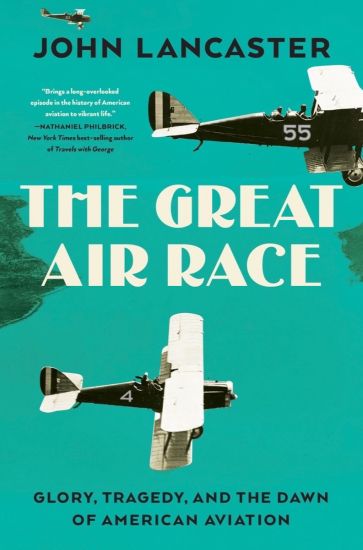
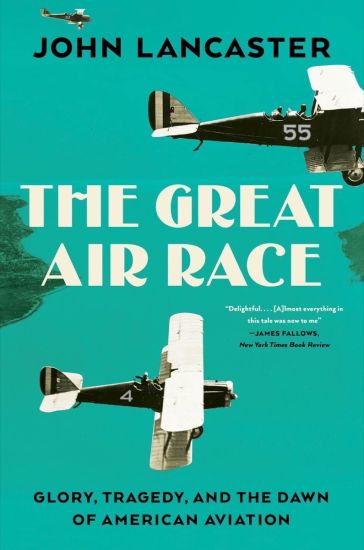
Years before Charles Lindbergh's flight from New York to Paris electrified the nation, a group of daredevil pilots, most of them veterans of the World War I, brought aviation to the masses by competing in the sensational transcontinental air race of 1919. The contest awakened Americans to the practical possibilities of flight, yet despite its significance, it has until now been all but forgotten. In The Great Air Race, journalist and amateur pilot John Lancaster finally reclaims this landmark event and the unheralded aviators who competed to be the fastest man in America. His thrilling chronicle opens with the race's impresario, Brigadier General Billy Mitchell, who believed the nation's future was in the skies. Mitchell's contest--critics called it a stunt--was a risky undertaking, given that the DH-4s and Fokkers the contestants flew were almost comically ill-suited for long-distance travel: engines caught fire in flight; crude flight instruments were of little help in clouds and fog; and the brakeless planes were prone to nosing over on landing. Yet the aviators possessed an almost inhuman disregard for their own safety, braving blizzards and mechanical failure as they landed in remote cornfields or at the edges of cliffs. Among the most talented were Belvin "The Flying Parson" Maynard, whose dog, Trixie, shared the rear cockpit with his mechanic, and John Donaldson, a war hero who twice escaped German imprisonment. Jockeying reporters made much of their rivalries, and the crowds along the race's route exploded, with everyday Americans eager to catch their first glimpse of airplanes and the mythic "birdmen" who flew them. The race was a test of endurance that many pilots didn't finish: some dropped out from sheer exhaustion, while others, betrayed by their engines or their instincts, perished. For all its tragedy, Lancaster argues, the race galvanized the nation to embrace the technology of flight. A thrilling tale of men and their machines, The Great Air Race offers a new origin point for commercial aviation in the United States, even as it greatly expands our pantheon of aviation heroes.
The Great Air Race: Glory, Tragedy, and the Dawn of American Aviation

The Great Air Race: Glory, Tragedy, and the Dawn of American Aviation

John Lancaster

Liveright Publishing Corporation
2022
sidottu
Years before Charles Lindbergh's flight from New York to Paris electrified the nation, a group of daredevil pilots, most of them veterans of the World War I, brought aviation to the masses by competing in the sensational transcontinental air race of 1919. The contest awakened Americans to the practical possibilities of flight, yet despite its significance, it has until now been all but forgotten. In The Great Air Race, journalist and amateur pilot John Lancaster finally reclaims this landmark event and the unheralded aviators who competed to be the fastest man in America. His thrilling chronicle opens with the race's impresario, Brigadier General Billy Mitchell, who believed the nation's future was in the skies. Mitchell's contest--critics called it a stunt--was a risky undertaking, given that the DH-4s and Fokkers the contestants flew were almost comically ill-suited for long-distance travel: engines caught fire in flight; crude flight instruments were of little help in clouds and fog; and the brakeless planes were prone to nosing over on landing. Yet the aviators possessed an almost inhuman disregard for their own safety, braving blizzards and mechanical failure as they landed in remote cornfields or at the edges of cliffs. Among the most talented were Belvin "The Flying Parson" Maynard, whose dog, Trixie, shared the rear cockpit with his mechanic, and John Donaldson, a war hero who twice escaped German imprisonment. Jockeying reporters made much of their rivalries, and the crowds along the race's route exploded, with everyday Americans eager to catch their first glimpse of airplanes and the mythic "birdmen" who flew them. The race was a test of endurance that many pilots didn't finish: some dropped out from sheer exhaustion, while others, betrayed by their engines or their instincts, perished. For all its tragedy, Lancaster argues, the race galvanized the nation to embrace the technology of flight. A thrilling tale of men and their machines, The Great Air Race offers a new origin point for commercial aviation in the United States, even as it greatly expands our pantheon of aviation heroes.