
Kirjahaku
Etsi kirjoja tekijän nimen, kirjan nimen tai ISBN:n perusteella.
4 kirjaa tekijältä John P. Clark
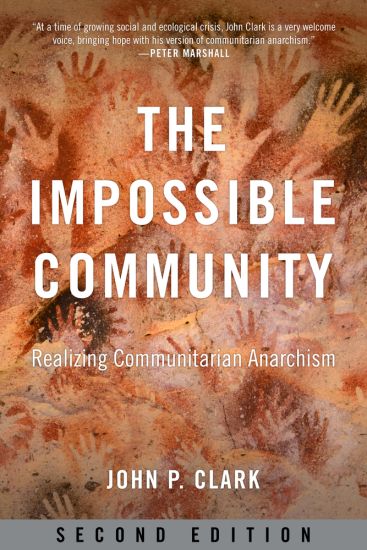
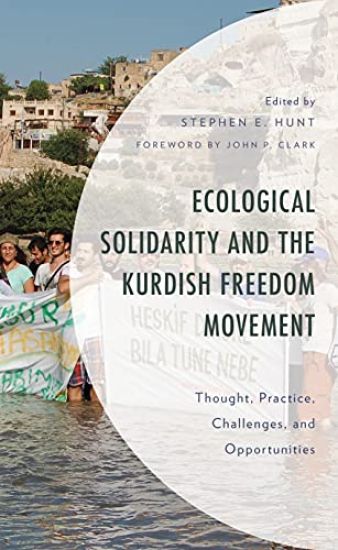
Ecological Solidarity and the Kurdish Freedom Movement
John P. Clark
BLOOMSBURY PUBLISHING PLC
2021
sidottu
Ecological Solidarity and the Kurdish Freedom Movement examines the ideas about social ecology and communalism behind the evolving political structures in the Kurdish region. The collection evaluates practical green projects, including the Mesopotamian Ecology Movement, Jinwar women’s eco-village, food sovereignty in a solidarity economy, environmental defenders in Iranian Kurdistan, and Make Rojava Green Again. Contributors also critically reflect on such contested themes as Alevi nature beliefs, anti-dam demonstrations, human-rights law and climate change, the Gezi Park protests, and forest fires. Throughout this volume, the contributors consider the formidable challenges to Kurdish initiatives, such as state repression, damaged infrastructure, and oil dependency. Nevertheless, contributors assert that the West has much to learn from the Kurdish ecological paradigm, which offers insight into social movement debates about development and decolonization.
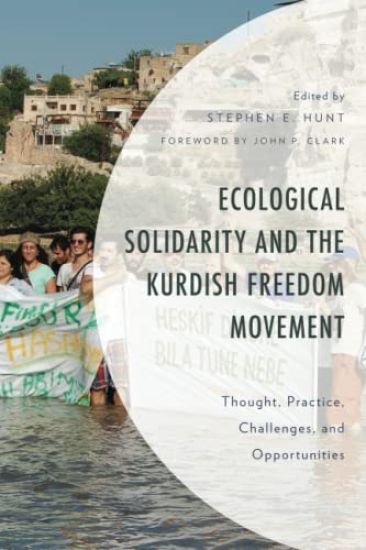
Ecological Solidarity and the Kurdish Freedom Movement
John P. Clark
BLOOMSBURY PUBLISHING PLC
2023
nidottu
Ecological Solidarity and the Kurdish Freedom Movement: Thought, Practice, Challenges, and Opportunities is a pioneering text that examines the ideas about social ecology and communalism behind the evolving political structures in the Kurdish region. The collection evaluates practical green projects, including the Mesopotamian Ecology Movement, Jinwar women’s eco-village, food sovereignty in a solidarity economy, environmental defenders in Iranian Kurdistan, and Make Rojava Green Again. Contributors also critically reflect on such contested themes as Alevi nature beliefs, anti-dam demonstrations, human-rights law and climate change, the Gezi Park protests, and forest fires. Throughout this volume, the contributors consider the formidable challenges to the Kurdish initiatives, such as state repression, damaged infrastructure, and oil dependency. Nevertheless, contributors assert that the West has much to learn from the Kurdish ecological paradigm, which offers insight into social movement debates about development and decolonization.