

Kirjahaku
Etsi kirjoja tekijän nimen, kirjan nimen tai ISBN:n perusteella.
12 kirjaa tekijältä John R. Walker
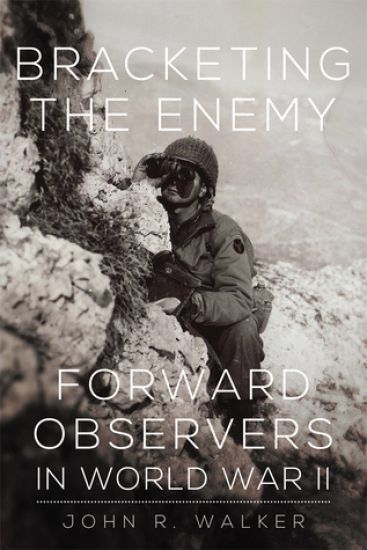
After the end of World War II, General George Patton declared that artillery had won the war. Yet howitzers did not achieve victory on their own. Crucial to the success of these big guns were forward observers, artillerymen on the front lines who directed the artillery fire. Until now, the vital role of forward observers in ground combat has received little scholarly attention. In Bracketing the Enemy, John R. Walker remedies this oversight by offering the first full-length history of forward observer teams during World War II. As early as the U.S. Civil War, artillery fire could reach as far as two miles, but without an ""FO"" (forward observer) to report where the first shot had landed in relation to the target, and to direct subsequent fire by outlining or ""bracketing"" the targeted range, many of the advantages of longer-range fire were wasted. During World War II, FOs accompanied infantrymen on the front lines. Now, for the first time, gun crews could bring deadly accurate fire on enemy positions immediately as advancing riflemen encountered these enemy strongpoints. According to Walker, this transition from direct to indirect fire was one of the most important innovations to have occurred in ground combat in centuries. Using the 37th Division in the Pacific Theater and the 87th in Europe as case studies, Walker presents a vivid picture of the dangers involved in FO duty and shows how vitally important forward observers were to the success of ground operations in a variety of scenarios. FO personnel not only performed a vital support function as artillerymen but often transcended their combat role by fighting as infantrymen, sometimes even leading soldiers into battle. And yet, although forward observers lived, fought, and bled with the infantry, they were ineligible to wear the Combat Infantryman's Badge awarded to the riflemen they supported. Forward observers are thus among the unsung heroes of World War II. Bracketing the Enemy signals a long-overdue recognition of their distinguished service.
Supervision in the Hospitality Industry, Ninth Edition, is a comprehensive primer designed for beginning leaders, new supervisors promoted from an hourly job, and students planning for careers in the hospitality industry. Covering each essential aspect of first-line supervision, this market-leading textbook helps readers develop the practical skills and knowledge necessary for effectively supervising hospitality workers at all levels of an organization, including cooks, servers, bartenders, front desk clerks, porters, housekeepers, and janitorial staff. Topics include planning and organizing, communication, recruitment and team building, employee training, performance effectiveness, conflict management, and more. The text's unique approach to leading human resources — combining fundamental leadership theory and the firsthand expertise of hospital industry professionals — enables readers to master concrete, results-driven leadership methods and overcome the everyday challenges faced in the real world. Principles of good leadership and supervision are presented in clear, easy-to-understand language and are reinforced by numerous examples, case studies, discussion questions, and activities. The ninth edition of Supervision in the Hospitality Industry remains the ideal text for students and practitioners alike, delivering a basic yet comprehensive knowledge of the different elements of the supervisor's job while helping develop the leadership qualities needed to succeed as a hospitality professional.

THE RESTAURANT AN AUTHORITATIVE, UP-TO-DATE, AND ONE-STOP GUIDE TO THE RESTAURANT BUSINESS In the newly revised The Restaurant: From Concept to Operation, Ninth Edition, accomplished hospitality and restaurant professional John R. Walker delivers a comprehensive exploration of opening a restaurant, from the initial idea to the grand opening. The book offers readers robust, applications-based coverage of all aspects of developing, opening, and running a restaurant. Readers will discover up-to-date material on staffing, legal and regulatory issues, cost control, financing, marketing and promotion, equipment and design, menus, sanitation, and concepts. Every chapter has been revised, updated and enhanced with several industry examples, sidebars, charts, tables, photos, and menus. The ninth edition of The Restaurant: From Concept to Operation provides readers with all the information they need to make sound decisions that will allow for the building of a thriving restaurant business. The book also offers: A thorough introduction to the restaurant business, from the history of eating out to the modern challenges of restaurant operationA comprehensive exploration of restaurants and their owners, including quick-casual, sandwich, family, fine-dining, and other establishments Practical discussions of menus, kitchens, and purchasing, including prices and pricing strategies, menu accuracy, health inspections, and food purchasing systemsIn-depth examinations of restaurant operations, including bar and beverage service, budgeting and control, and food production and sanitation An indispensable resource for undergraduate and graduate restaurant and food management services and business administration students, The Restaurant: From Concept to Operation, Ninth Edition is also perfect for aspiring and practicing restaurant owners and restaurant investors seeking a one-stop guide to the restaurant business.
Since the use of poison gas during the First World War and the dropping of atomic bombs on Japan at the end of the Second World War, nuclear, biological or chemical (NBC) weapons have registered high on the fears of governments and individuals alike. Recognising both the particular horror of these weapons, and their potential for inflicting mass death and destruction, much effort has been expended in finding ways to eliminate such weapons on a multi-lateral level. Based on extensive official archives, this book looks at how successive British governments approached the subject of control and disarmament between 1956 and 1975. This period reflects the UK's landmark decision in 1956 to abandon its offensive chemical weapons programme (a decision that was reversed in 1963, but never fully implemented), and ends with the internal travails over the possible use of CR (tear gas) in Northern Ireland. Whilst the issue of nuclear arms control has been much debated, the integration of biological and chemical weapons into the wider disarmament picture is much less well understood, there being no clear statement by the UK authorities for much of the period under review in this book as to whether the country even possessed such weapons or had an active research and development programme. Through a thorough exploration of government records the book addresses fundamental questions relating to the history of NBC weapons programmes, including the military, economic and political pressures that influenced policy; the degree to which the UK was a reluctant or enthusiastic player on the international arms control stage; and the effect of international agreements on Britain's weapons programmes. In exploring these issues, the study provides the first attempt to assess UK NBC arms control policy and practice during the Cold War.
In 1962 Dean Acheson famously described Britain as having lost an Empire but not yet found a role. Perhaps nowhere is this more apparent than in the realms of nuclear weapons. An increasingly marginal world power, successive post-war British governments felt that an independent nuclear deterrent was essential if the country was to remain at the top table of world diplomacy. Focusing on a key twenty-year period, this study explores Britain's role in efforts to bring about a nuclear test ban treaty between 1954 and 1973. Taking a broadly chronological approach, it examines the nature of defence planning, the scientific goals that nuclear tests were designed to secure, Anglo-American relationships, the efficacy of British diplomacy and its contribution to arms control and disarmament. A key theme of the study is to show how the UK managed to balance the conflicting pressures created by its determination to remain a credible nuclear power whilst wanting to pursue disarmament objectives, and how these pressures shifted over the period in question. Based on a wealth of primary sources this book opens up the largely ignored subject of the impact of arms control on the UK nuclear weapons programme. Its appraisal of the relationship between the requirements and developments of the UK nuclear weapons programme against international and domestic pressures for a test ban treaty will be of interest to anyone studying post-war British defence and foreign policy, history of science, arms control, disarmament and non-proliferation and international relations. It also provides important background information on current events involving nuclear proliferation and disarmament.

The real life exploits of a Supporting Artist, John R. Walker, who has worked on many British Television shows such as Doctor Who, Ashes to Ashes,Torchwood,The Sarah Jane Adventures, Survivors, Life on Mars, EastEnders, Coronation Street and many many more. For an insider view of the life of a TV and Movie Extra.
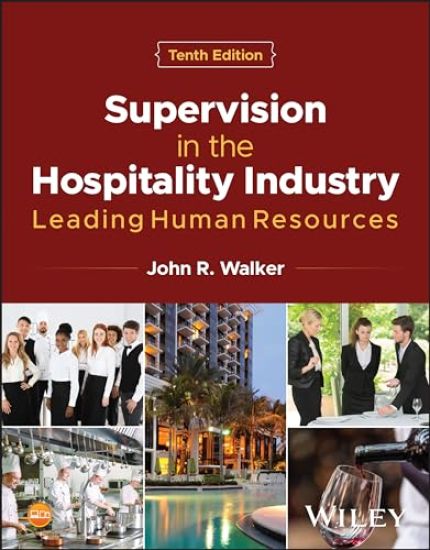
A thorough, accessible handbook for leadership in a vital industry Supervision in the Hospitality Industry: Leading Human Resources, Tenth Edition, is a comprehensive primer designed for beginning leaders, new supervisors promoted from an hourly job, and students planning for careers in the hospitality industry. Covering each essential aspect of first-line supervision, this market-leading textbook helps readers develop the practical skills and knowledge necessary for effectively supervising hospitality workers at all levels of an organization, including cooks, servers, bartenders, front desk clerks, porters, housekeepers, and janitorial staff. The text’s unique approach to leading human resources — combining fundamental leadership theory and the firsthand expertise of hospitality industry professionals — enables readers to master concrete, results-driven leadership methods and overcome the everyday challenges faced in the real world. The Tenth edition covers: The impact of the COVID pandemic, the importance of culinary ethics, DEI considerations, organizational excellence, and much moreThe importance of recognizing and practicing cross-cultural diversity and interactionA balanced and informed view of management and supervision in the hospitality industry by considering the viewpoints of supervisors and all levels of associatesEmployee assistance programsA wealth of real-world case studies, illustrative examples, and “Industry Profiles” sections offering perspectives on leadership and supervision issues from hospitality professionals Aligned to the American Culinary Federation (ACF) accreditation requirements, Supervision in the Hospitality Industry provides resources for students in hospitality courses, and early-career leaders and managers.
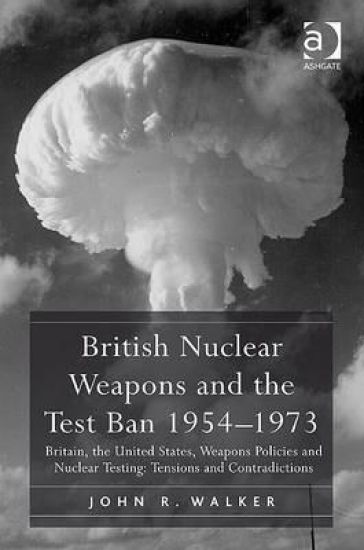
British Nuclear Weapons and the Test Ban 1954-1973
John R. Walker
Ashgate Publishing Limited
2010
sidottu
In 1962 Dean Acheson famously described Britain as having lost an Empire but not yet found a role. Perhaps nowhere is this more apparent than in the realms of nuclear weapons. An increasingly marginal world power, successive post-war British governments felt that an independent nuclear deterrent was essential if the country was to remain at the top table of world diplomacy. Focusing on a key twenty-year period, this study explores Britain's role in efforts to bring about a nuclear test ban treaty between 1954 and 1973. Taking a broadly chronological approach, it examines the nature of defence planning, the scientific goals that nuclear tests were designed to secure, Anglo-American relationships, the efficacy of British diplomacy and its contribution to arms control and disarmament. A key theme of the study is to show how the UK managed to balance the conflicting pressures created by its determination to remain a credible nuclear power whilst wanting to pursue disarmament objectives, and how these pressures shifted over the period in question. Based on a wealth of primary sources this book opens up the largely ignored subject of the impact of arms control on the UK nuclear weapons programme. Its appraisal of the relationship between the requirements and developments of the UK nuclear weapons programme against international and domestic pressures for a test ban treaty will be of interest to anyone studying post-war British defence and foreign policy, history of science, arms control, disarmament and non-proliferation and international relations. It also provides important background information on current events involving nuclear proliferation and disarmament.

Since the use of poison gas during the First World War and the dropping of atomic bombs on Japan at the end of the Second World War, nuclear, biological or chemical (NBC) weapons have registered high on the fears of governments and individuals alike. Recognising both the particular horror of these weapons, and their potential for inflicting mass death and destruction, much effort has been expended in finding ways to eliminate such weapons on a multi-lateral level. Based on extensive official archives, this book looks at how successive British governments approached the subject of control and disarmament between 1956 and 1975. This period reflects the UK's landmark decision in 1956 to abandon its offensive chemical weapons programme (a decision that was reversed in 1963, but never fully implemented), and ends with the internal travails over the possible use of CR (tear gas) in Northern Ireland. Whilst the issue of nuclear arms control has been much debated, the integration of biological and chemical weapons into the wider disarmament picture is much less well understood, there being no clear statement by the UK authorities for much of the period under review in this book as to whether the country even possessed such weapons or had an active research and development programme. Through a thorough exploration of government records the book addresses fundamental questions relating to the history of NBC weapons programmes, including the military, economic and political pressures that influenced policy; the degree to which the UK was a reluctant or enthusiastic player on the international arms control stage; and the effect of international agreements on Britain's weapons programmes. In exploring these issues, the study provides the first attempt to assess UK NBC arms control policy and practice during the Cold War.

Welding Print Reading is a combination text and workbook that helps students understand and use the various types of prints found in the welding industry. Content covers prints, math and measurement, welding processes, types of welds, and symbol use.