Kirjojen hintavertailu. Mukana 11 342 296 kirjaa ja 12 kauppaa.

Kirjahaku

Etsi kirjoja tekijän nimen, kirjan nimen tai ISBN:n perusteella.

6 kirjaa tekijältä John Redmond

Adjudication in Construction Contracts

Adjudication in Construction Contracts

John Redmond

Blackwell Science Ltd
2001
sidottu
Adjudication was introduced in construction contracts as a requirement of the Housing Grants, Construction and Regeneration Act in 1998 to tackle the large number of disputes which dog most projects. Provisions for adjudication are now included in all standard construction forms and are implied into all construction contracts that do not expressly include them. When adjudication was first launched there were enormous uncertainties about how it would work in practice, and books published to coincide with the launch could only speculate on this. This new guide, written by a construction lawyer and experienced adjudicator, is the first to explain how adjudication is actually working in practice. It covers all the major court decisions which have clarified enforcement, adjudicator errors and problems such as definition of construction contracts, jurisdiction, insolvency, natural justice and human rights. It also deals with the complex requirements of the legislation regarding payment terms. This will provide a highly readable, but authoritative guide for all involved in adjudications, whether contracts directors, construction consultants, lawyers or adjudicators.
Sydney School

Sydney School

John Redmond

URO Publications
2018
pokkari
The school has been at the forefront of wave after wave of innovation in architectural education and practice; and a formative influence in the development of architectural science, urban planning, computer-aided design, environmentally and socially sustainable design, and more. The story of an institution, with all its specificity, Sydney School reflects on broader transformations in the education of architects, designers, and planners and the many specialisations that gather around these professions.
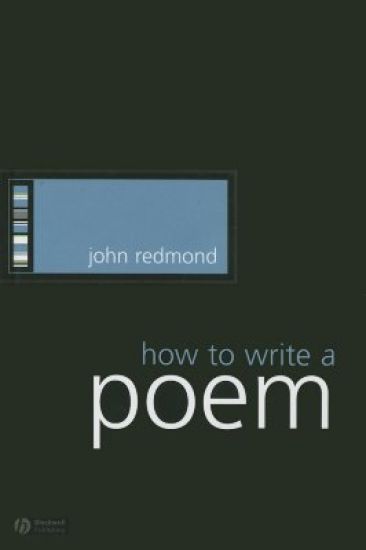
How to Write a Poem

How to Write a Poem

John Redmond

Wiley-Blackwell (an imprint of John Wiley Sons Ltd)
2005
sidottu
An innovative introduction to writing poetry designed for students of creative writing and budding poets alike. Challenges the reader’s sense of what is possible in a poem. Traces the history and highlights the potential of poetry. Focuses on the fundamental principles of poetic construction, such as: Who is speaking? Who are they speaking to? Why does their speaking take this form? Considers both experimental and mainstream approaches to contemporary poetry. Consists of fourteen chapters, making it suitable for use over one semester. Encourages readers to experiment with their poetry.
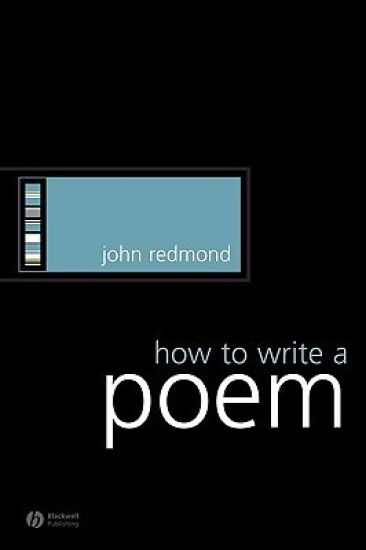
How to Write a Poem

How to Write a Poem

John Redmond

Wiley-Blackwell (an imprint of John Wiley Sons Ltd)
2005
nidottu
An innovative introduction to writing poetry designed for students of creative writing and budding poets alike. Challenges the reader’s sense of what is possible in a poem. Traces the history and highlights the potential of poetry. Focuses on the fundamental principles of poetic construction, such as: Who is speaking? Who are they speaking to? Why does their speaking take this form? Considers both experimental and mainstream approaches to contemporary poetry. Consists of fourteen chapters, making it suitable for use over one semester. Encourages readers to experiment with their poetry.
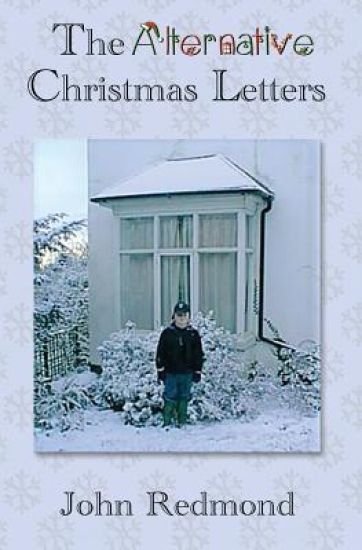
The Alternative Christmas Letters

The Alternative Christmas Letters

John Redmond

Createspace Independent Publishing Platform
2018
nidottu
Christmas letters are often lovingly typed and photocopied, describing epic holidays, the amazing feats of offspring, rooms that have been decorated and operations endured. But in his own unique and quirky way, John Redmond writes alternative Christmas letters. These cover a wide range of subjects, including pantomimes, Latin, the euro, My Little Pony dolls, buying washing machines, and playing cricket.Autobiographical elements, including growing up in a mining village, a career as a university professor and his 22 year battle with Parkinson's Disease, are woven through the book, resulting in highly entertaining letters that are both amusing and tragic.
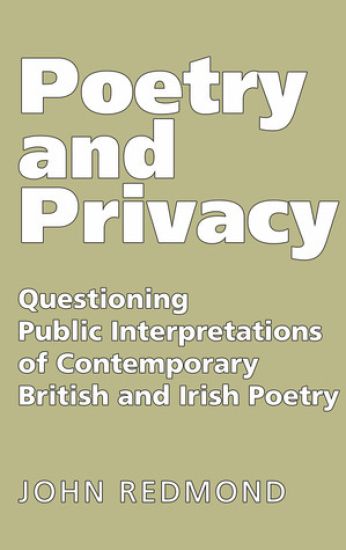
Poetry and Privacy

Poetry and Privacy

John Redmond

Seren
2012
nidottu
Poetry and Privacy questions a set of relationships - critical, authorial, and existential between poetry and the public sphere. Its main contention; that readings of British and Irish poetry rely too often on a thesis of public relevance; arises out of a more general conviction: that the relationship between poetry and the public sphere is negatively woven. It is undoubtedly true that poetry and criticism are bitterly aware of their marginal status. Both have lost confidence and direction. In public life as in literary life, we have entered a period of deleveraging and disavowal, of recanting and retrenchment. This seems a good time for emptying out some old ways of thinking about poetry. Large claims were made for poetry in the 1930s and large claims were made for literary criticism in the 1970s, but they have led to no obvious outcomes in the public world. The major response of poetry to it's marginal position has been promotional in outlook and anti-intellectual in spirit, and in the context of burgeoning creative writing courses universities host a poetic class both anti-academic and hostile to intelligent scrutiny. Each needs the other but the result is trimmed expectations, the dominance of populism and a poverty of ideas. In essays on Derek Mahon, Glyn Maxwell, Robert Minhinnick, Seamus Heaney, Sylvia Plath, John Burnside, Vona Groarke, David Jones and W.S. Graham, John Redmond seeks to introduce a sense of pragmatism into the relationships between poetry and criticism (academe) and poetry and social or political relevance. It opposes is the determination to read poetry in publicly oriented ways, the determination to make it fit with one kind of public program or another. The essays in this book offer fresh appraisals of noteworthy poets while creating a portrait of British and Irish poetry in a new century in which in politics, society and poetry there is a broad sense of an ending, and ask how poetry might progress in the future