
Kirjahaku
Etsi kirjoja tekijän nimen, kirjan nimen tai ISBN:n perusteella.
8 kirjaa tekijältä John V. Quarstein
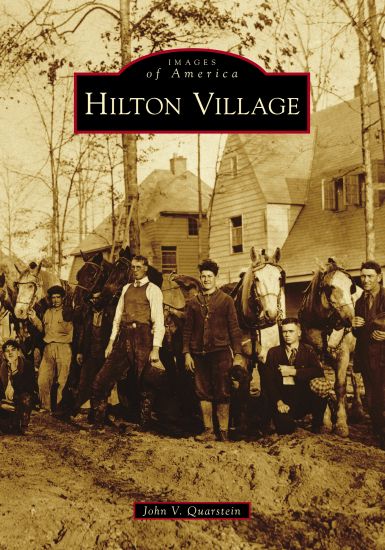
Established in 1918, Hilton Village was the first public housing project built in the United States. Spurred on by Newport News Shipbuilding president Homer Ferguson, it was created to house shipyard workers during World War I. The village was the city's first planned community and its first National Register of Historic Places district. Hilton's distinctive cottage-style architecture, reminiscent of an English village, is one of the first examples of the New Urbanism and Garden City movements in America. Along the tree-lined streets are homes and shops that might have been pulled from a Dickens novel. The vision of the leaders who crafted Hilton Village--the shipyard's Ferguson, Harvard University town planner Henry Hubbard, and world-renowned architect Francis Joannes--remains apparent.
The Monitor Boys: The Crew of the Union's First Ironclad
John V. Quarstein
History Press Library Editions
2015
sidottu
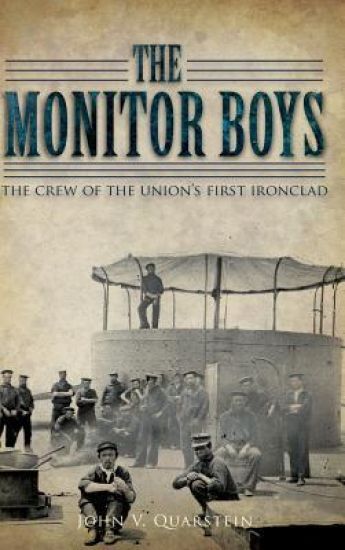
The United States Navy's first ironclad warship rose to glory during the Battle of Hampton Roads on March 9, 1862, but there's much more to know about the USS Monitor. Historian John Quarstein has painstakingly compiled bits of historical data gathered through years of research to present the first comprehensive picture of the lives of the officers and crew who served faithfully in an iron ship unlike any vessel previously known. "The Monitor Boys," a moniker the men gave themselves, is a reflection of how these hundred-odd souls were bound together through storms, battles, boredom and disaster. Just living aboard the ironclad took uncommon effort and fortitude. Their perseverance through the heat, stress and un-seaworthiness that defined life on the ship makes the study of those who dared it a worthy endeavor. Many recognized that they were part of history. Moreover, the Monitor Boys were agents in the change of naval warfare. Following Quarstein's compelling narrative is a detailed chronology as well as appendices including crew member biographies, casualties and statistics and dimensions of the ship. Readers can dive into the world of the Monitor and meet William Flye, George Geer and the rest of the men who risked everything by going to sea in the celebrated "cheesebox on a raft" and became the hope of a nation wracked by war.
The CSS Virginia: Sink Before Surrender
John V. Quarstein
History Press Library Editions
2013
sidottu
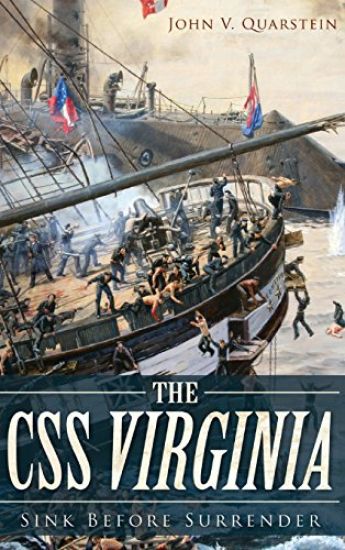
When the CSS Virginia (Merrimack) slowly steamed down the Elizabeth River toward Hampton Roads on March 8, 1862, the tide of naval warfare turned from wooden sailing ships to armored, steam-powered vessels. Little did the ironclad's crew realize that their makeshift warship would achieve the greatest Confederate naval victory. The trip was thought by most of the crew to be a trial cruise. Instead, the Virginia's aggressive commander, Franklin Buchanan, transformed the voyage into a test by fire that forever proved the supreme power of iron over wood. The Virginia's ability to beat the odds to become the first ironclad to enter Hampton Roads stands as a testament to her designers, builders, officers and crew. Virtually everything about the Virginia's design was an improvisation or an adaptation, characteristic of the Confederacy's efforts to wage a modern war with limited industrial resources. Noted historian John V. Quarstein recounts the compelling story of this ironclad underdog, providing detailed appendices, including crew member biographies and a complete chronology of the ship and crew.
A History of Ironclads: The Power of Iron Over Wood
John V. Quarstein
History Press Library Editions
2007
sidottu
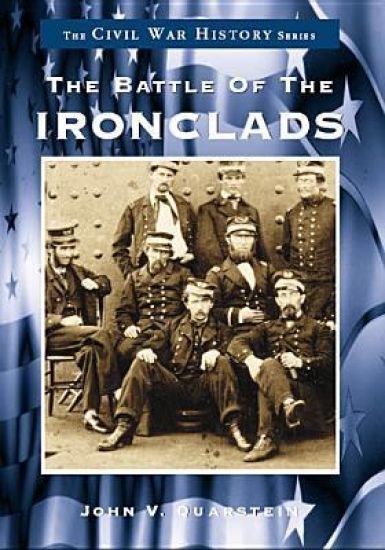
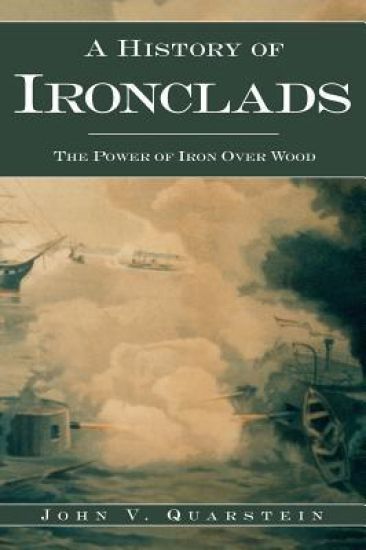
One of history's greatest naval engagements, the Battle of Hampton Roads, occurred on March 8 and 9, 1862. On the first morning, the Confederate ironclad the CSS Virginia, formerly known as the Merrimack, sank two Union wooden warships, proving the power of the armored vessels over the traditional sailing ships. The next morning, the Virginia engaged the Union ironclad USS Monitor to a draw in a battle that significantly altered naval warfare. It was the first engagement between ironclads and ushered in a new era of warship construction and ordnance. The 25, 000 sailors, soldiers and civilians who witnessed the battle knew then what history would soon confirm: wars waged on the waters would never be the same. The seemingly invincible Monitor and Virginia were experimental ships, revolutionary combinations of new and old technology, and their clash on March 9, 1862, was the culmination of over 2, 000 years of naval experience. The construction and combat service of ironclads during the Civil War were the first in a cascade of events that influenced the outcome of the war and prompted the development of improved ironclads as well as the creation of new weapons systems, such as torpedoes and submarines, needed to counter modern armored warships.
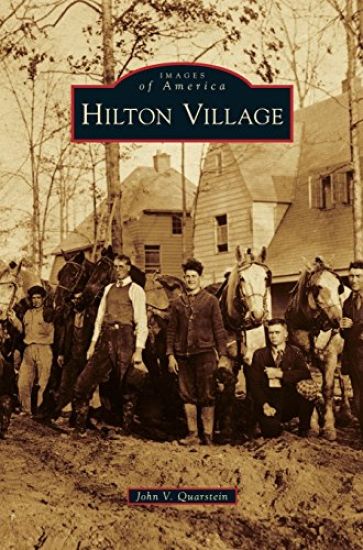
Established in 1918, Hilton Village was the first public housing project built in the United States. Spurred on by Newport News Shipbuilding president Homer Ferguson, it was created to house shipyard workers during World War I. The village was the city's first planned community and its first National Register of Historic Places district. Hilton's distinctive cottage-style architecture, reminiscent of an English village, is one of the first examples of the New Urbanism and Garden City movements in America. Along the tree-lined streets are homes and shops that might have been pulled from a Dickens novel. The vision of the leaders who crafted Hilton Village--the shipyard's Ferguson, Harvard University town planner Henry Hubbard, and world-renowned architect Francis Joannes--remains apparent.
The Monitor Boys: The Crew of the Union's First Ironclad
John V. Quarstein
History Press
2015
nidottu
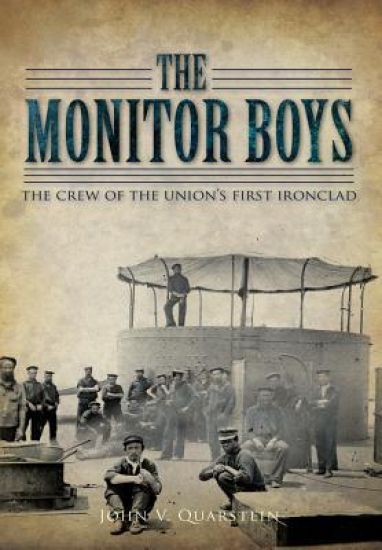
On December 31, 1862, 16 men perished that stormy New Year's Eve when the USS Monitor sank off Cape Hatteras, N.C. The United States Navy's first ironclad warship rose to glory during the Battle of Hampton Roads on March 9, 1862, but there's much more to know about the USS Monitor. Historian John Quarstein has painstakingly compiled bits of historical data gathered through years of research to present the first comprehensive picture of the lives of the officers and crew who served faithfully in an iron ship unlike any vessel previously known. The Monitor Boys, a moniker the men gave themselves, is a reflection of how these hundred-odd souls were bound together through storms, battles, boredom and disaster. Just living aboard the ironclad took uncommon effort and fortitude. Their perseverance through the heat, stress and unseaworthiness that defined life on the ship makes the study of those who dared it a worthy endeavor. Many recognized that they were part of history. Moreover, the Monitor Boys were agents in the change of naval warfare. Following Quarstein's compelling narrative is a detailed chronology as well as appendices including crew member biographies, casualties and statistics and dimensions of the ship. Readers can dive into the world of the Monitor and meet William Flye, George Geer and the rest of the men who risked everything by going to sea in the celebrated cheesebox on a raft and became the hope of a nation wracked by war.
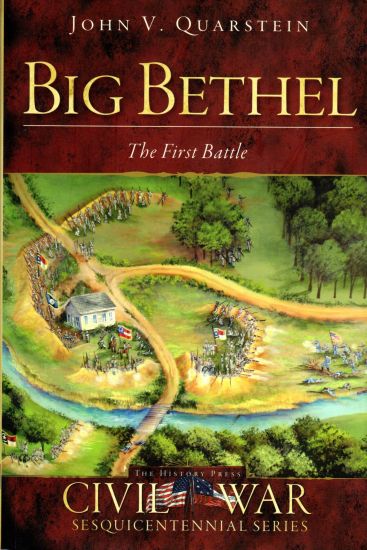
The battle at Virginia's Big Bethel Church, known as the Civil War's first land battle, was a baptism of fire for a nation newly torn apart by civil war. Northern and Southern soldiers alike could not imagine how fiery passions and technological advances would collide into America's bloodiest war, all beginning that hot, cloudless day at Bethel, as the shells burst among the smartly clad Zouaves. Here, the war saw its first friendly fire incident, the death of the first West Point graduate, the death of the first Confederate infantryman and the first Confederate victory. Join award-winning historian John Quarstein as he details the story of the June 10, 1861 battle, when soldiers first realized that the war would not be filled with glorious parades but rather desperate struggles to decide the fate of the nation.