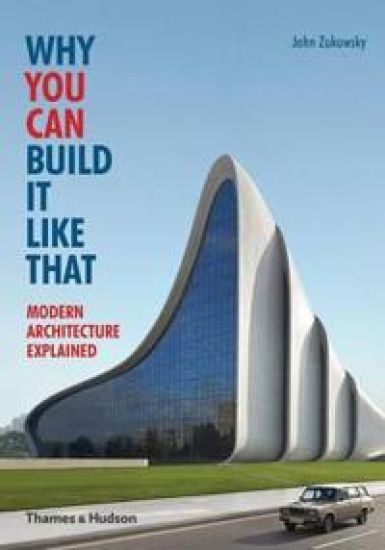
Examines buildings from the past half century or so that pushed the boundaries of what was architecturally acceptable when they were built. This book explores the history of these buildings and their makers, presenting relevant biographical factors and socio-cultural influences that impacted on the distinctive designs.
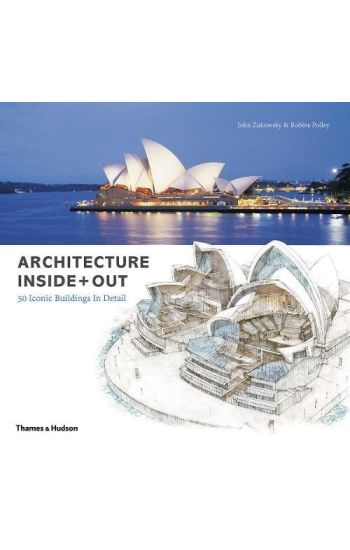
Fifty of the world's most important buildings seen through specially commissioned isometric illustrations and detailed photographs and plans, providing the perfect introduction to architecture for students and anyone interested in buildings.Taking readers behind architecture's facades and finishes, this charmingly illustrated book explores how some of the most important buildings in the world were constructed. Specially commissioned isometric drawings present the essential structural elements of the world's masterpiece buildings that are not visible to the naked eye. These illustrations are displayed alongside plans, details, and photographs, all of which are clear and accessible, yet accurate and elegant enough to satisfy the most discerning eye. This fascinating book explores the thinking and expertise behind architects' designs and offers a means by which to better understand buildings already visited as well as those on the must-see list. Selections range from domestic structures such as Frank Lloyd Wright's Fallingwater and skyscrapers such as the Chrysler Building, to iconic classics such as the Louvre and Barcelona's famed Sagrada Familia Cathedral. The buildings have been chosen for their importance and interest, their role in the development of architectural thinking, and the structural secrets that intricate 3-D drawings can reveal.
Book & CD. When visitors to the National Air and Space Museum in Washington, D.C., walk through the Skylab of 1967-73 they experience the vehicles interior space but learn nothing about the industrial design of the spacecraft nor the designers who created it.
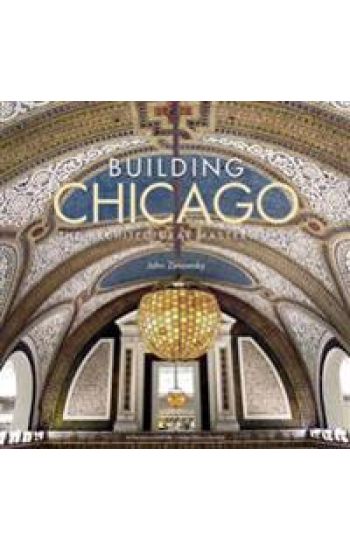
Colloquially known as America s second city, Chicago is widely regarded as this country s crown jewel when it comes to architecture. The roster of masters who have helped shape its skyline and streetscape stands as a who s who of the architectural pantheon from the last two hundred years, from Louis Sullivan, Daniel Burnham, and Frank Lloyd Wright to Mies van der Rohe and Frank Gehry. Lavishly illustrated, this volume compellingly displays the masterworks of Chicago architecture from the Chicago Tribune Tower (1925) and the Rookery (1888) by Burnham and Root to the Trump International Hotel and Tower (2008) by Skidmore, Owings and Merrill and the residential skyscraper Aqua (2009) by Jeanne Gang. It features the city s beloved masterpieces by Wright, including the Robie House, such milestones as the Willis Tower and the John Hancock Building, Gehry s Pritzker Bandshell, as well as a wealth of little-known treasures from Chicago s early days culled from the vast collection of the Chicago History Museum.