Kirjojen hintavertailu. Mukana 11 699 587 kirjaa ja 12 kauppaa.

Kirjahaku

Etsi kirjoja tekijän nimen, kirjan nimen tai ISBN:n perusteella.

6 kirjaa tekijältä Jon B. Gould

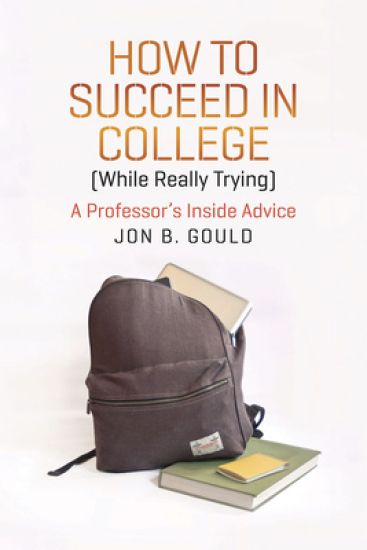
How to Succeed in College (While Really Trying)

How to Succeed in College (While Really Trying)

Jon B. Gould

University of Chicago Press
2012
sidottu
After years of preparation and anticipation, many students arrive at college without any real knowledge of the ins and outs of college life. They've been focused on finding the right school and have been carefully guided through the nuances of the admissions process, but too often they have little knowledge about how college will be different from high school or what will be expected of them during that crucial first year and beyond. Written by an award-winning teacher, "How to Succeed in College (While Really Trying)" provides much-needed help to students, offering practical tips and specific study strategies that will equip them to excel in their new environment. Drawing on years of experience teaching at a variety of campuses, from large research universities to small liberal arts colleges, Jon B. Gould gives readers the lay of the land and demystifies the college experience. In the course of the book, students will learn how to identify the best instructors, how to choose classes and settle on a major, how to develop effective strategies for reading and note taking, and how to write good papers and successfully complete exams. Because much of the college experience takes place outside of the classroom, Gould also advises students on how to effectively manage their co curricular activities, work obligations, and free time, as well as how to take advantage of the typically untapped resources on every campus. With candid advice and insights from a seasoned insider, this guide will leave students better prepared not only to succeed in college but to enjoy it as well.
How to Succeed in College (While Really Trying)

How to Succeed in College (While Really Trying)

Jon B. Gould

University of Chicago Press
2012
nidottu
After years of preparation and anticipation, many students arrive at college without any real knowledge of the ins and outs of college life. They've been focused on finding the right school and have been carefully guided through the nuances of the admissions process, but too often they have little knowledge about how college will be different from high school or what will be expected of them during that crucial first year and beyond. Written by an award-winning teacher, "How to Succeed in College (While Really Trying)" provides much-needed help to students, offering practical tips and specific study strategies that will equip them to excel in their new environment. Drawing on years of experience teaching at a variety of campuses, from large research universities to small liberal arts colleges, Jon B. Gould gives readers the lay of the land and demystifies the college experience. In the course of the book, students will learn how to identify the best instructors, how to choose classes and settle on a major, how to develop effective strategies for reading and note taking, and how to write good papers and successfully complete exams. Because much of the college experience takes place outside of the classroom, Gould also advises students on how to effectively manage their co curricular activities, work obligations, and free time, as well as how to take advantage of the typically untapped resources on every campus. With candid advice and insights from a seasoned insider, this guide will leave students better prepared not only to succeed in college but to enjoy it as well.
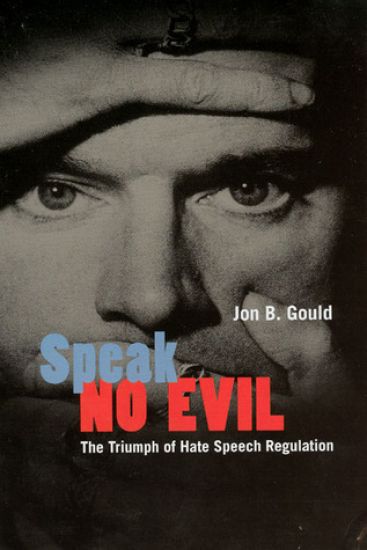
Speak No Evil

Speak No Evil

Jon B. Gould

University of Chicago Press
2005
sidottu
Opponents of speech codes often argue that liberal academics use the codes to advance an agenda of political correctness. But Jon B. Gould's provocative book, based on an enormous amount of empirical evidence, reveals that the real reasons for their growth are to be found in the pragmatic, almost utilitarian, considerations of college administrators. Instituting hate speech policy, he shows, was often a symbolic response taken by university leaders to reassure campus constituencies of their commitment against intolerance. In an academic version of "keeping up with the Joneses," some schools created hate speech codes to remain within what they saw as the mainstream of higher education. Only a relatively small number of colleges crafted codes out of deep commitment to their merits. Although college speech codes have been overturned by the courts, Speak No Evil argues that their rise has still had a profound influence on curtailing speech in other institutions such as the media and has also shaped mass opinion and common understandings of constitutional norms. Ultimately, Gould contends, this kind of informal law can have just as much power as the Constitution.
Speak No Evil

Speak No Evil

Jon B. Gould

University of Chicago Press
2005
nidottu
Opponents of speech codes often argue that liberal academics use the codes to advance an agenda of political correctness. But Jon B. Gould's provocative book, based on an enormous amount of empirical evidence, reveals that the real reasons for their growth are to be found in the pragmatic, almost utilitarian, considerations of college administrators. Instituting hate speech policy, he shows, was often a symbolic response taken by university leaders to reassure campus constituencies of their commitment against intolerance. In an academic version of "keeping up with the Joneses," some schools created hate speech codes to remain within what they saw as the mainstream of higher education. Only a relatively small number of colleges crafted codes out of deep commitment to their merits. Although college speech codes have been overturned by the courts, Speak No Evil argues that their rise has still had a profound influence on curtailing speech in other institutions such as the media and has also shaped mass opinion and common understandings of constitutional norms. Ultimately, Gould contends, this kind of informal law can have just as much power as the Constitution.
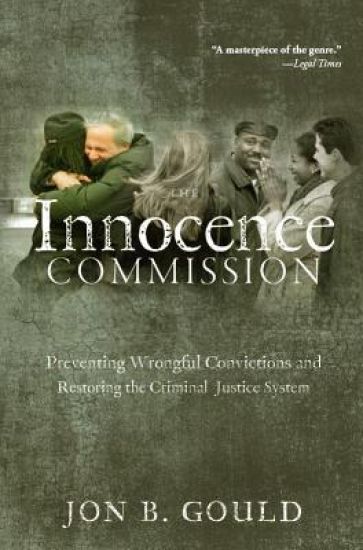
The Innocence Commission

The Innocence Commission

Jon B. Gould

New York University Press
2007
sidottu
DNA testing and advances in forensic science have shaken the foundations of the U.S. criminal justice system. One of the most visible results is the exoneration of inmates who were wrongly convicted and incarcerated, many of them sentenced to death for crimes they did not commit. This has caused a quandary for many states: how can claims of innocence be properly investigated and how can innocent inmates be reliably distinguished from the guilty? In answer, some states have created "innocence commissions" to establish policies and provide legal assistance to the improperly imprisoned. The Innocence Commission describes the creation and first years of the Innocence Commission for Virginia (ICVA), the second innocence commission in the nation and the first to conduct a systematic inquiry into all cases of wrongful conviction. Written by Jon B. Gould, the Chair of the ICVA, who is a professor of justice studies and an attorney, the author focuses on twelve wrongful conviction cases to show how and why wrongful convictions occur, what steps legal and state advocates took to investigate the convictions, how these prisoners were ultimately freed, and what lessons can be learned from their experiences. Gould recounts how a small band of attorneys and other advocates — in Virginia and around the country — have fought wrongful convictions in court, advanced the subject of wrongful convictions in the media, and sought to remedy the issue of wrongful convictions in the political arena. He makes a strong case for the need for Innocence Commissions in every state, showing that not only do Innocence Commissions help to identify weaknesses in the criminal justice system and offer workable improvements, but also protect society by helping to ensure that actual perpetrators are expeditiously identified, arrested, and brought to trial. Everyone has an interest in preventing wrongful convictions, from police officers and prosecutors, who seek the latest and best investigative techniques, to taxpayers, who want an efficient criminal justice system, to suspects who are erroneously pursued and sometimes convicted. Free of legal jargon and written for a general audience, The Innocence Commission is instructive, informative, and highly compelling reading.
The Innocence Commission

The Innocence Commission

Jon B. Gould

New York University Press
2009
pokkari
DNA testing and advances in forensic science have shaken the foundations of the U.S. criminal justice system. One of the most visible results is the exoneration of inmates who were wrongly convicted and incarcerated, many of them sentenced to death for crimes they did not commit. This has caused a quandary for many states: how can claims of innocence be properly investigated and how can innocent inmates be reliably distinguished from the guilty? In answer, some states have created "innocence commissions" to establish policies and provide legal assistance to the improperly imprisoned. The Innocence Commission describes the creation and first years of the Innocence Commission for Virginia (ICVA), the second innocence commission in the nation and the first to conduct a systematic inquiry into all cases of wrongful conviction. Written by Jon B. Gould, the Chair of the ICVA, who is a professor of justice studies and an attorney, the author focuses on twelve wrongful conviction cases to show how and why wrongful convictions occur, what steps legal and state advocates took to investigate the convictions, how these prisoners were ultimately freed, and what lessons can be learned from their experiences. Gould recounts how a small band of attorneys and other advocates — in Virginia and around the country — have fought wrongful convictions in court, advanced the subject of wrongful convictions in the media, and sought to remedy the issue of wrongful convictions in the political arena. He makes a strong case for the need for Innocence Commissions in every state, showing that not only do Innocence Commissions help to identify weaknesses in the criminal justice system and offer workable improvements, but also protect society by helping to ensure that actual perpetrators are expeditiously identified, arrested, and brought to trial. Everyone has an interest in preventing wrongful convictions, from police officers and prosecutors, who seek the latest and best investigative techniques, to taxpayers, who want an efficient criminal justice system, to suspects who are erroneously pursued and sometimes convicted. Free of legal jargon and written for a general audience, The Innocence Commission is instructive, informative, and highly compelling reading.