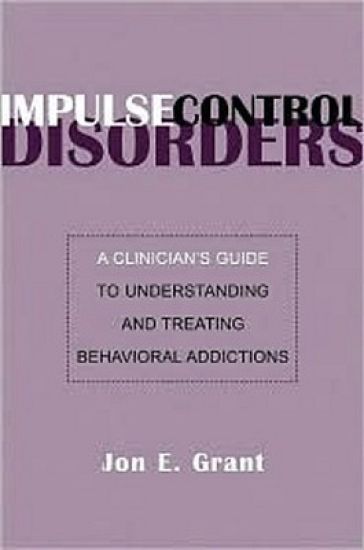
Impulse control disorders such as gambling and risky sexual behavior are increasingly recognized as treatable forms of addictions. This is the first comprehensive book on the topic for clinicians, providing clear clinical guidance on assessment, diagnosis, treatment, and follow-up.
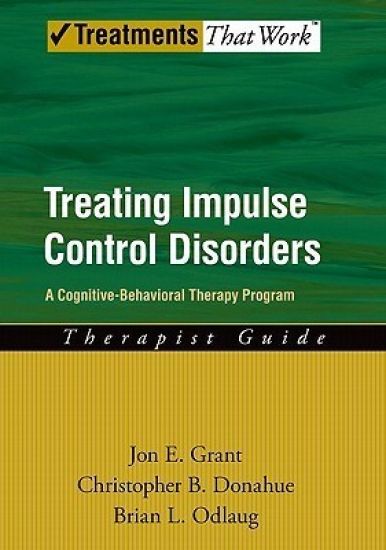
Impulse control disorders (ICDs) include pathological gambling, kleptomania, trichotillomania, intermittent explosive disorder, and pyromania, and are characterized by difficulties resisting urges to engage in behaviors that are excessive or ultimately harmful to oneself or others. ICDs are relatively common among adolescents and adults, carry significant morbidity and mortality, and can be effectively treated with behavioral and pharmacological therapies. This guide includes all the information and materials necessary to implement a successful cognitive behavioral therapy program for impulse control disorders (CBT-ICD). This evidence-based intervention was developed for the treatment of pathological gambling, kleptomania, compulsive buying, and pyromania. Originators of interventions for impulse control disorders, the authors review the background and diagnostic information for each ICD as well as available treatment outcome studies; the assessment process for each ICD problem and the individual therapy sessions are also reviewed. This format affords you the flexibility to treat one or more ICD problem, and since they co-occur, this approach is essential. This therapist guide and its corresponding workbook form a complete treatment package. It is a resource that no clinician specializing in these disorders can do without.
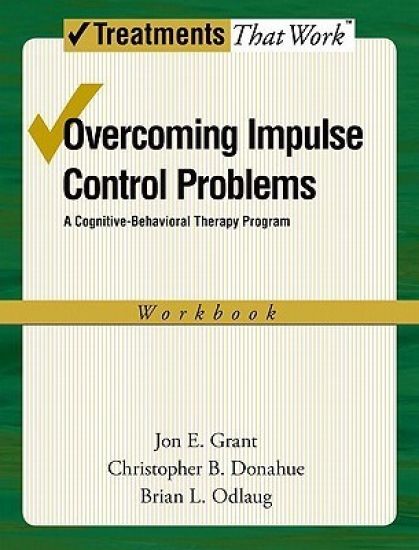
If you feel you are no longer in control of your behavior, that your actions may have interfered with your family, social, or working life, this workbook can help you take back control. Impulse control disorders (ICDs) include pathological gambling (PG), kleptomania/compulsive stealing (KM), pyromania/fire setting (PY), and compulsive buying (CB). ICDs are characterized by difficulties resisting urges to engage in behaviors that are excessive and/or ultimately harmful to oneself or others. ICDs are relatively common and can be significantly harmful - even life threatening. They can also be effectively treated with behavioral therapies. Overcoming Impulse Control Problems is written by researchers with years of experience studying the psychology of impulse control disorders. This book represents the treatment they have found to be the most effective at controlling urges to gamble, steal, set fires, and over-spend. It will also help you to better understand the true nature of impulse control problems, and will help to prevent future problems. Intended for use in conjunction with supervised therapy, this workbook includes various self-assessmnets and exercises designed to help you realize the truth behind your actions, and to reach the ultimate goal of changing your impulsive behaviors. This workbook and the corresponding therapist guide form a complete treatment package that will help you overcome your impulsive behaviors and learn skills that are useful for a lifetime.
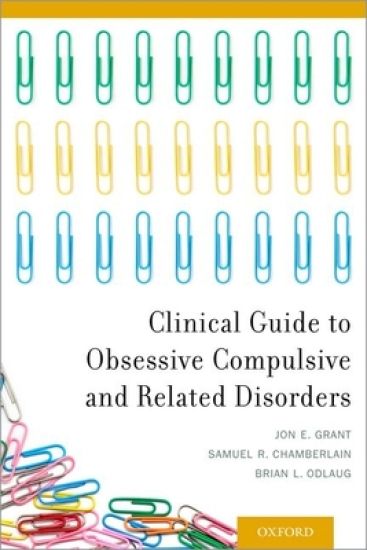
Clinical Guide to Obsessive Compulsive and Related Disorders is a complete, comprehensive overview of OCD and related disorders (trichotillomania, excoriation disorder, hoarding disorder, body dysmorphic disorder, and tic disorders). The book covers underlying causes, clinical presentations and treatments. The book serves as a primer for clinicians in training and those already in practice who have little if any background in these disorders. It discusses the pharmacological and psychosocial treatments for both adults and children with an emphasis on providing practical information for clinicians to use in their everyday practices. Based on the DSM-5, the book uses the latest evidence-based information regarding treatments including medication options, behavioral therapies, alternative treatments, and recent developments in surgical treatment. This book will provide students, residents, interns and even veteran clinicians with a basic understanding of OCD and disorders that are often associated with OCD. In addition, members of the public and those affected by these disorders may use this book to enhance their personal knowledge of the subject matter presented.
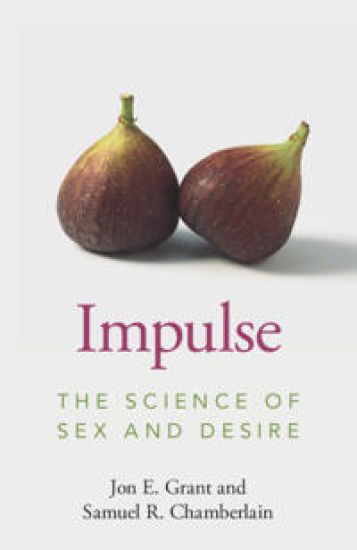
Sex is everywhere in modern society, yet it remains taboo. We all have questions about sex that are too uncomfortable to ask – how do we get reliable answers? In this go-to guide Drs Grant and Chamberlain use their clinical expertise to answer the questions you wish you could ask about sex. Questions like: Is my sex drive or sex behavior normal? Can someone have too much sex? Or too little? How has Internet dating and pornography changed sex? This go-to guide will help you understand common sexual issues, know when to worry (or not) about different sexual behaviors, and learn how our sex lives adapt to changing technology or in times of crisis. It also provides step-by-step advice for dealing with a range of sexual issues, and practical strategies for strengthening relationships.
At some point in our lives, we all engage in behaviors that are risky, irrational, or unwise. We might find it exciting and temporarily rewarding to gamble on the lottery or impulsively buy an expensive gadget. But just as substances like alcohol and narcotics have the potential to become addictive, so do certain behaviors. A person addicted to gambling, shopping, the internet, food, or picking at their skin may suffer shame in the shadows while their behavior consumes time and energy and disrupts their life. Some people with behavioral addictions lose their family, job, savings, and home. With a physical basis in the brain, behavioral addictions are serious illnesses-but simply willing yourself to stop is usually not enough. Why Can't I Stop? is for anyone who has a behavioral addiction, as well as their supportive families and friends. Examining seven of the most common and serious addictions-gambling, sex, stealing, internet use, shopping and buying, hair pulling and skin picking, and food-the authors bring together cutting-edge research to describe behavioral addiction, its causes, and how it can be diagnosed and treated. Featuring patient stories of behavioral addiction and recovery, as well as information about treatment centers, this compassionate guide will help readers better understand the complicated issues surrounding these addictions and teach family members how to help the addicted person while helping themselves.
At some point in our lives, we all engage in behaviors that are risky, irrational, or unwise. We might find it exciting and temporarily rewarding to gamble on the lottery or impulsively buy an expensive gadget. But just as substances like alcohol and narcotics have the potential to become addictive, so do certain behaviors. A person addicted to gambling, shopping, the internet, food, or picking at their skin may suffer shame in the shadows while their behavior consumes time and energy and disrupts their life. Some people with behavioral addictions lose their family, job, savings, and home. With a physical basis in the brain, behavioral addictions are serious illnesses-but simply willing yourself to stop is usually not enough. Why Can't I Stop? is for anyone who has a behavioral addiction, as well as their supportive families and friends. Examining seven of the most common and serious addictions-gambling, sex, stealing, internet use, shopping and buying, hair pulling and skin picking, and food-the authors bring together cutting-edge research to describe behavioral addiction, its causes, and how it can be diagnosed and treated. Featuring patient stories of behavioral addiction and recovery, as well as information about treatment centers, this compassionate guide will help readers better understand the complicated issues surrounding these addictions and teach family members how to help the addicted person while helping themselves.
Underestimated, under-researched, and often poorly understood, the body-focused repetitive disorders nevertheless cause human suffering that is serious, persistent, and pervasive. These disorders can occur in both adults and children and manifest themselves as hair pulling (trichotillomania), pathologic skin picking, thumb sucking, and nail biting. Although these disorders are common, very few medical students and residents hear them addressed in lectures or know where to begin when confronted with a patient presenting with these behaviors. Trichotillomania, Skin Picking, and Other Body-Focused Repetitive Behaviors seeks to remedy this situation by synthesizing the latest research on body-focused repetitive disorders and presenting it in a systematic, easy-to-grasp manner. Much has changed in the more than a decade since the last book on this topic was published. This new volume reflects the most current and substantive research into the etiology and symptoms of body-focused repetitive disorders and therapeutic options. Organized in logical fashion, it begins with a review of the clinical characteristics, moves on to diagnosis and evaluation, and concludes with a full review of treatment options. Special features include: • Extensive material to help clinicians and patients understand the underlying purpose of engaging in these behaviors, which include, reducing tension, regulating strong emotion, and alleviating boredom.• Separate chapters on adults and children, who may have a different presentation and a different set of treatment options. An additional chapter focuses on the role of the child patient's family in the diagnosis and treatment of the disorder.• Thorough coverage of the full range of treatments—including psychotherapy, medication, and alternative treatments—which provides the clinician with an evidence-based approach to treating patients.• Discussion of the psychobiology of hair pulling and skin picking, which allows the reader to understand and contextualize the disorder from a neurological perspective and offers clues that may assist in optimizing treatment.• A presentation style that is detailed enough for clinicians, yet accessible enough for a lay audience, including patients with the disorder and the families who seek to understand and support them. Trichotillomania, Skin Picking, and Other Body-Focused Repetitive Behaviors fills a critical gap in the literature by addressing this common and frequently debilitating disorder in an utterly current, highly practical, and wholly compassionate manner.
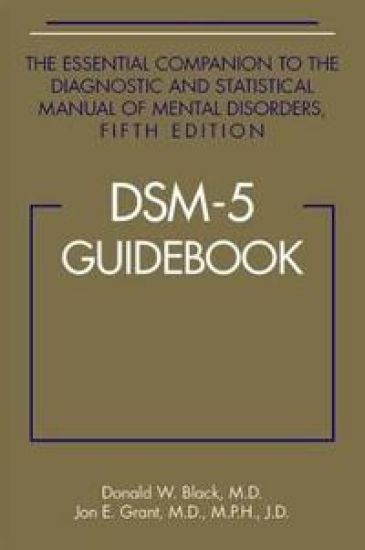
DSM-5 Guidebook: The Essential Companion to the Diagnostic and Statistical Manual of Mental Disorders, Fifth Edition is a user-friendly, supplementary guide for psychiatrists, psychologists, and other mental health practitioners who need to know how DSM-5 differs from its predecessor in terms of organizational structure, diagnostic categories, and the criteria themselves. While it does not replace the comprehensive and authoritative DSM-5, it illuminates its content by teaching mental health professionals how to use the revised diagnostic criteria and by providing a practical context for its clinical use. The book offers many valuable features, including: • An historical overview of the development of the DSM in general, and DSM-5 in particular, a progression that might be said to mirror the evolution of psychiatry as a whole. The material on the creation of DSM-5 includes coverage of dimensional assessment, reliability and field trials, and the controversies that arose during development of DSM-5.• An indispensable chapter on how to use DSM-5 that addresses coding, diagnostic certainty, the demise of the multiaxial system, and the key changes to each diagnostic category.• Full coverage of the significant reorganization from DSM-IV-TR to DSM-5, which is designed to incorporate advances in neuroscience, brain imaging and genetics. Chapters were reordered to reflect scientific advances in the understanding of psychiatric disorders, and the presumed etiological and the pathophysiological relationships among them.• Extensive coverage of the decision to integrate dimensional measures into DSM-5, which may enhance the clinician's ability to assess symptom variation and severity and aid in patient evaluation, treatment decisions, and outcome monitoring. The various measures are presented and their use discussed.• Finally, as the authors were not part of the revision process, they offer a fresh, down-to-earth perspective that will resonate with clinicians by focusing on the changes that will most significantly impact clinicians' professional lives. DSM-5 Guidebook provides a roadmap to the many changes in this living document, DSM-5, and will prove invaluable to psychiatrists, psychologists, psychiatric nurses, neurologists, social workers, and all who strive to understand mental illness as it is conceived today.