Kirjojen hintavertailu. Mukana 11 244 527 kirjaa ja 12 kauppaa.

Kirjahaku

Etsi kirjoja tekijän nimen, kirjan nimen tai ISBN:n perusteella.

20 kirjaa tekijältä Jon Lewis

American Film

American Film

Jon Lewis

WW Norton Co
2019
nidottu
Written in an engaging narrative style, this text provides a thorough overview of the fascinating intersection of economics, culture, artistry and technology that has defined American film from its beginnings. The Second Edition features a NEW four-colour design, hundreds of new images, greater emphasis on film analysis, increased coverage of women and minority filmmakers and an epilogue that speculates on the future of film.
The Road to Romance and Ruin

The Road to Romance and Ruin

Jon Lewis

Routledge
2013
sidottu
This book analyses the teen film as the rare medium able to represent the otherwise chaotic and conflicting experience of youth. The author focuses on six major issues: alienation, deviance and delinquency, sex and gender, the politics of consumption, the apolitics of youth(ful) rebellion, and regression into nostalgia. Despite the many differences within the genre, this book sees all teen films as focused on a single social concern: the breakdown of traditional forms of authority – school, church, family. Working with the theories of such diverse scholars as Kenneth Keniston, Bruno Bettelheim, Erik Erikson, Theodor Adorno, Simon Frith, and Dick Hebdige, the author draws an innovative and flexible model of a cultural history of youth. Originally published in 1992.
Hard-Boiled Hollywood

Hard-Boiled Hollywood

Jon Lewis

University of California Press
2017
sidottu
The tragic and mysterious circumstances surrounding the deaths of Elizabeth Short, or the Black Dahlia, and Marilyn Monroe ripped open Hollywood's glitzy facade, exposing the city's ugly underbelly of corruption, crime, and murder. These two spectacular dead bodies, one found dumped and posed in a vacant lot in January 1947, the other found dead in her home in August 1962, bookend this new history of Hollywood. Short and Monroe are just two of the many left for dead after the collapse of the studio system, Hollywood's awkward adolescence when the company town's many competing subcultures-celebrities, moguls, mobsters, gossip mongers, industry wannabes, and desperate transients-came into frequent contact and conflict. Hard-Boiled Hollywood focuses on the lives lost at the crossroads between a dreamed-of Los Angeles and the real thing after the Second World War, where reality was anything but glamorous."
Hard-Boiled Hollywood

Hard-Boiled Hollywood

Jon Lewis

University of California Press
2017
pokkari
The tragic and mysterious circumstances surrounding the deaths of Elizabeth Short, or the Black Dahlia, and Marilyn Monroe ripped open Hollywood's glitzy facade, exposing the city's ugly underbelly of corruption, crime, and murder. These two spectacular dead bodies, one found dumped and posed in a vacant lot in January 1947, the other found dead in her home in August 1962, bookend this new history of Hollywood. Short and Monroe are just two of the many left for dead after the collapse of the studio system, Hollywood's awkward adolescence when the company town's many competing subcultures-celebrities, moguls, mobsters, gossip mongers, industry wannabes, and desperate transients-came into frequent contact and conflict. Hard-Boiled Hollywood focuses on the lives lost at the crossroads between a dreamed-of Los Angeles and the real thing after the Second World War, where reality was anything but glamorous."
Road Trip to Nowhere

Road Trip to Nowhere

Jon Lewis

University of California Press
2022
sidottu
How a new generation of counterculture talent changed the landscape of Hollywood, the film industry, and celebrity culture. By 1967, the commercial and political impact on Hollywood of the sixties counterculture had become impossible to ignore. The studios were in bad shape, still contending with a generation-long box office slump and struggling to get young people into the habit of going to the movies. Road Trip to Nowhere examines a ten-year span (from 1967 to 1976) rife with uneasy encounters between artists caught up in the counterculture and a corporate establishment still clinging to a studio system on the brink of collapse. Out of this tumultuous period many among the young and talented walked away from celebrity, turning down the best job Hollywood—and America—had on offer: movie star. Road Trip to Nowhere elaborates a primary-sourced history of movie production culture, examining the lives of a number of talented actors who got wrapped up in the politics and lifestyles of the counterculture. Thoroughly put off by celebrity culture, actors like Dennis Hopper, Christopher Jones, Jean Seberg, and others rejected the aspirational backstory and inevitable material trappings of success, much to the chagrin of the studios and directors who backed them. In Road Trip to Nowhere, film historian Jon Lewis details dramatic encounters on movie sets and in corporate boardrooms, on the job and on the streets, and in doing so offers an entertaining and rigorous historical account of an out-of-touch Hollywood establishment and the counterculture workforce they would never come to understand.
Road Trip to Nowhere

Road Trip to Nowhere

Jon Lewis

University of California Press
2022
pokkari
How a new generation of counterculture talent changed the landscape of Hollywood, the film industry, and celebrity culture. By 1967, the commercial and political impact on Hollywood of the sixties counterculture had become impossible to ignore. The studios were in bad shape, still contending with a generation-long box office slump and struggling to get young people into the habit of going to the movies. Road Trip to Nowhere examines a ten-year span (from 1967 to 1976) rife with uneasy encounters between artists caught up in the counterculture and a corporate establishment still clinging to a studio system on the brink of collapse. Out of this tumultuous period many among the young and talented walked away from celebrity, turning down the best job Hollywood—and America—had on offer: movie star. Road Trip to Nowhere elaborates a primary-sourced history of movie production culture, examining the lives of a number of talented actors who got wrapped up in the politics and lifestyles of the counterculture. Thoroughly put off by celebrity culture, actors like Dennis Hopper, Christopher Jones, Jean Seberg, and others rejected the aspirational backstory and inevitable material trappings of success, much to the chagrin of the studios and directors who backed them. In Road Trip to Nowhere, film historian Jon Lewis details dramatic encounters on movie sets and in corporate boardrooms, on the job and on the streets, and in doing so offers an entertaining and rigorous historical account of an out-of-touch Hollywood establishment and the counterculture workforce they would never come to understand.
Industrialisation and Trade Union Organization in South Africa, 1924–1955
This major 1984 study of South African trade unionism traces the history of the South African Trades and Labour Council (TLC) from its origins in the 1920s to its demise in the early 1950s. The book focuses on South Africa's secondary industrialisation and subsequent changes in work organization. By analysing trade union structures and strategies Dr Lewis shows how divisions within the labour movement were bound up with the development of production processes and the division of labour, rather than being the inevitable outcome of racial antagonisms. The early chapters analyse the emergence of different trade union strategies. As work processes were transformed by the rapid industrialisation of the 1940s, the traditional craftsmen lost their technical indispensability and increasingly performed supervisory functions. Faced with dilution and undercutting, and increasingly hostile to the majority of black production workers, the craft unions responded by redefining membership on the basis of race rather than skill.
Industrialisation and Trade Union Organization in South Africa, 1924–1955
This major 1984 study of South African trade unionism traces the history of the South African Trades and Labour Council (TLC) from its origins in the 1920s to its demise in the early 1950s. The book focuses on South Africa's secondary industrialisation and subsequent changes in work organization. By analysing trade union structures and strategies Dr Lewis shows how divisions within the labour movement were bound up with the development of production processes and the division of labour, rather than being the inevitable outcome of racial antagonisms. The early chapters analyse the emergence of different trade union strategies. As work processes were transformed by the rapid industrialisation of the 1940s, the traditional craftsmen lost their technical indispensability and increasingly performed supervisory functions. Faced with dilution and undercutting, and increasingly hostile to the majority of black production workers, the craft unions responded by redefining membership on the basis of race rather than skill.
Hollywood V. Hard Core

Hollywood V. Hard Core

Jon Lewis

New York University Press
2000
sidottu
A tale of censorship and regulation at the heart of the modern film industry In 1972, The Godfather and Deep Throat were the two most popular films in the country. One, a major Hollywood studio production, the other an independently made "skin flick." At that moment, Jon Lewis asserts, the fate of the American film industry hung in the balance. Spanning the 20th century, Hollywood v. Hard Core weaves a gripping tale of censorship and regulation. Since the industry's infancy, film producers and distributors have publicly regarded ratings codes as a necessary evil. Hollywood regulates itself, we have been told, to prevent the government from doing it for them. But Lewis argues that the studios self-regulate because they are convinced it is good for business, and that censorship codes and regulations are a crucial part of what binds the various competing agencies in the film business together. Yet between 1968 and 1973 Hollywood films were faltering at the box office, and the major studios were in deep trouble. Hollywood's principal competition came from a body of independently produced and distributed films—from foreign art house film Last Tango in Paris to hard-core pornography like Behind the Green Door—that were at once disreputable and, for a moment at least, irresistible, even chic. In response, Hollywood imposed the industry-wide MPAA film rating system (the origins of the G, PG, and R designations we have today) that pushed sexually explicit films outside the mainstream, and a series of Supreme Court decisions all but outlawed the theatrical exhibition of hard core pornographic films. Together, these events allowed Hollywood to consolidate its iron grip over what films got made and where they were shown, thus saving it from financial ruin.
Hollywood V. Hard Core

Hollywood V. Hard Core

Jon Lewis

New York University Press
2002
pokkari
A tale of censorship and regulation at the heart of the modern film industry In 1972, The Godfather and Deep Throat were the two most popular films in the country. One, a major Hollywood studio production, the other an independently made "skin flick." At that moment, Jon Lewis asserts, the fate of the American film industry hung in the balance. Spanning the 20th century, Hollywood v. Hard Core weaves a gripping tale of censorship and regulation. Since the industry's infancy, film producers and distributors have publicly regarded ratings codes as a necessary evil. Hollywood regulates itself, we have been told, to prevent the government from doing it for them. But Lewis argues that the studios self-regulate because they are convinced it is good for business, and that censorship codes and regulations are a crucial part of what binds the various competing agencies in the film business together. Yet between 1968 and 1973 Hollywood films were faltering at the box office, and the major studios were in deep trouble. Hollywood's principal competition came from a body of independently produced and distributed films—from foreign art house film Last Tango in Paris to hard-core pornography like Behind the Green Door—that were at once disreputable and, for a moment at least, irresistible, even chic. In response, Hollywood imposed the industry-wide MPAA film rating system (the origins of the G, PG, and R designations we have today) that pushed sexually explicit films outside the mainstream, and a series of Supreme Court decisions all but outlawed the theatrical exhibition of hard core pornographic films. Together, these events allowed Hollywood to consolidate its iron grip over what films got made and where they were shown, thus saving it from financial ruin.
The Road to Romance and Ruin

The Road to Romance and Ruin

Jon Lewis

Routledge
2015
nidottu
This book analyses the teen film as the rare medium able to represent the otherwise chaotic and conflicting experience of youth. The author focuses on six major issues: alienation, deviance and delinquency, sex and gender, the politics of consumption, the apolitics of youth(ful) rebellion, and regression into nostalgia. Despite the many differences within the genre, this book sees all teen films as focused on a single social concern: the breakdown of traditional forms of authority – school, church, family. Working with the theories of such diverse scholars as Kenneth Keniston, Bruno Bettelheim, Erik Erikson, Theodor Adorno, Simon Frith, and Dick Hebdige, the author draws an innovative and flexible model of a cultural history of youth. Originally published in 1992.
Can I Help You

Can I Help You

Jon Lewis

Dorrance Publishing Co.
2021
nidottu
Can I Help YouBy: Jon LewisCan I Help You describes the journey of the author from childhood to retirement. How family relationships can affect people and how remote family members helped him overcome problems.Although the author has a master's degree, his success has come mostly from learning outside traditional education. The readers can gain success through self-help from many sources including libraries. They can learn the difference between wants and needs and take action to become very successful in whatever they do in their life.About the AuthorSince retiring, Jon Lewis has been giving back. He joined CASA for kids until a health problem ended that. He is a member of two chambers of commerce, was a volunteer at the local library, and continues to be a Friend of the Library. Having overcome many obstacles, he has helped many people overcome their obstacles. Perhaps his story will help others learn to live a better and more successful life.
It's Never Too Late

It's Never Too Late

Jon Lewis

URLink Print Media, LLC
2024
pokkari
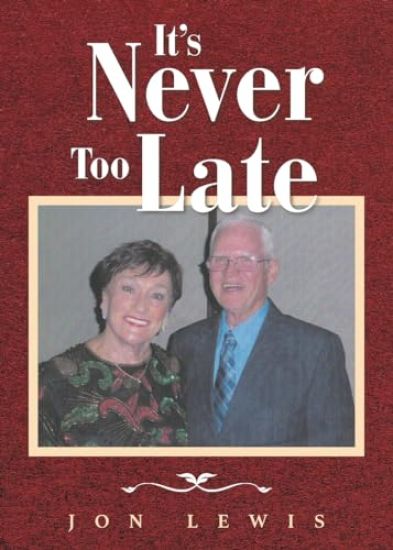
How they met, how it grew, how it became so strong."What is love between a man and a woman? I suspect each of us has a different view of this. Some think it can only happen between young people. Others believe it can happen at any age. What determines if it is really love? How do they get along together? Do they have similar activities that they participate in? What about politics? Can they differ and still love each other?"
The Godfather, Part II

The Godfather, Part II

Jon Lewis

BLOOMSBURY PUBLISHING PLC
2022
nidottu
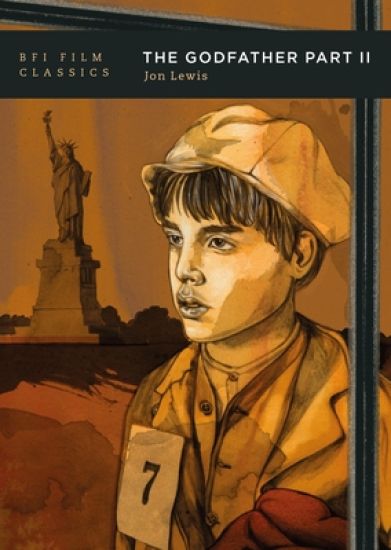
Francis Ford Coppola's The Godfather, Part II (1974) is a magisterial cinematic work, a gorgeous, stylized, auteur epic, and one of the few sequels judged by many to be greater than its predecessor. This despite the fact that it consists largely of meetings between aspiring 'Godfather' Michael Corleone and fellow gangsters, politicians and family members. The meetings remind us that the modern gangster’s success is built upon inside information and on strategic planning. Michael and his father Vito’s days resemble those of the legitimate businessmen they aspire or pretend to be. Jon Lewis's study of Coppola's masterpiece provides a close analysis of the film and a discussion of its cinematic and political contexts. It is structured in three sections: “The Sequel,” “The Dissolve,” and “The Sicilian Thing” – accommodating three avenues of inquiry, respectively: the film’s importance in and to Hollywood history, its unique, auteur style and form; and its cultural significance. Of interest, then, is New Hollywood history, mise-en-scene, and a view of the Corleone saga as a cautionary capitalist parable, as a metaphor of the corruption of American power, post-Vietnam, post-Watergate.
The Godfather

The Godfather

Jon Lewis

BLOOMSBURY PUBLISHING PLC
2022
nidottu
Francis Ford Coppola's The Godfather (1972) marked a transition in American film-making, and its success – as a work of art, as a creative 'property' exploited by its studio, Paramount Pictures; and as a model for aspiring auteurist film-makers – changed Hollywood forever. Jon Lewis's study of The Godfather begins with a close look at the film's audacious visual style (the long, theatrical set pieces; the chiaroscuro lighting, the climactic montage paralleling a family baptism with a series of brutal murders). The analysis of visual style is paired with a discussion of the movie's principal themes: Vito and Michael's attempt to balance the obligations of business and family, their struggle with assimilation, the temptations and pitfalls of capitalist accumulation, and the larger drama of succession from father to son, from one generation to the next. The textual analysis precedes a production history that views The Godfather as a singularly important film in Hollywood's dramatic box-office turnaround in the early 1970s. And then, finally, the book takes a long hard look at the gangster himself both on screen and off. Hollywood publicity attending the gangster film from its inception in the silent era to the present has endeavoured to dull the distinction between the real and movie gangster, insisting that each film has been culled from the day's sordid headlines. Looking at the drama on screen and the production history behind the scenes, Lewis uncovers a series of real gangster backstories, revealing, finally, how millions of dollars of mob money may well have funded the film in the first place, and how, as things played out, The Godfather saved Paramount Studios and the rest of Hollywood as well.
Die Hard

Die Hard

Jon Lewis

BLOOMSBURY PUBLISHING PLC
2025
nidottu
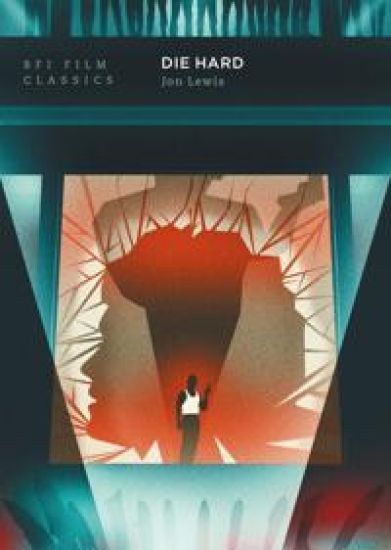
Upon its release, John McTiernan’s Die Hard (1988) was met with immense commercial and critical success; breaking the $100 million mark at the box office in its first run, and resulting in four Academy Award nominations.Jon Lewis’s study of the action classicclosely examines the film's novel and script adaptation, highlighting the influential role of producer Joel Silver. He delves into Silver's ground-breaking ‘whammy theory’, which redefined script structure by organizing scripts around timed ‘beats’ rather than traditional acts or scenes, tracing its impact not only in Die Hard, but also in other iconic franchises like Lethal Weapon, Predator, and The Matrix.Lewis goes on to consider the film's evocation of post-Vietnam male panic and its connection to the Iron John movement. He highlights Die Hard as a prime example of the ‘male rampage film’ genre, where white male protagonists express frustration with cultural antagonists like feminism, economic regulation, government bureaucracy, and political corruption. Finally, he reflects on how Die Hard resonated with its 1988 audience, looking for new antagonists in a changing world. The film's anticipation of European radical political groups and later terrorism rooted in North Africa and the Middle East foreshadows the era-defining ‘war on terror’ that would follow.
True Swamp 2: Anywhere But In . . .

True Swamp 2: Anywhere But In . . .

Jon Lewis

Uncivilized Books
2017
sidottu
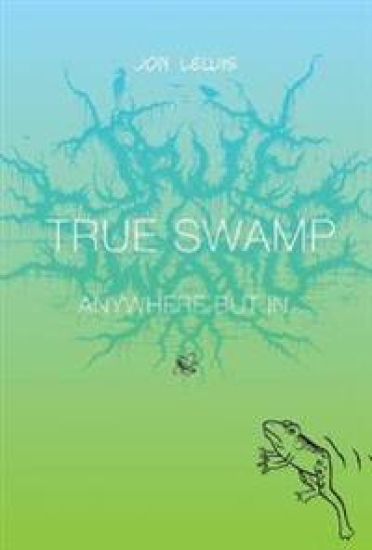
True Swamp Book 2 continues the misadventures Lenny the Frog. The world of True Swamp grows to include inventor marmots, sculptors of social interaction, collectors of human relics and the swamp’s one true religion. This is the very best of True Swamp.Jon Lewis lives in Brooklyn.Praise for True Swamp:?Lewis [?] creates a believable and intricate society, and it all comes together brilliantly.”?Publishers Weekly (Starred Review)?At its heart, True Swamp is an existential howl. [?] It certainly stands the test of time.”?The Comics Journal?There are any number of clever ways of categorizing True Swamp, each of them more or less accurate; most recently, I’ve taken to referring to it as a profane post-punk Pogo. However, the single word that all of those descriptions must necessarily include is ?brilliant.””?ForeWord Magazine?True Swamp is a song of love.”?Jim Woodring, creator of Frank.
Want a Good Retirement?

Want a Good Retirement?

Jon Lewis

Outskirts Press
2022
pokkari
Jon M. Lewis is living a good retirement. Herein are roads for others to do the same. There are many ways to achieve a great retirement. The fastest way is to have wealthy parents. Unfortunately, few of us fit that category. The author lays out several ways for the rest of us to make it happen to them. Each person has their own situation. When looking at options, you will likely find the road for you. Hopefully, the information herein will make the successes increase and the failures decrease so the end result is a great retirement.