Kirjojen hintavertailu. Mukana 11 717 486 kirjaa ja 12 kauppaa.

Kirjahaku

Etsi kirjoja tekijän nimen, kirjan nimen tai ISBN:n perusteella.

6 kirjaa tekijältä Jon Mathieu

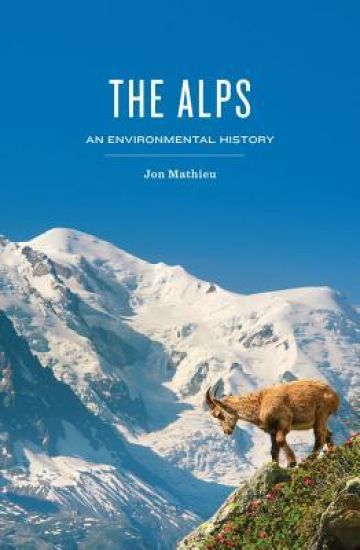
The Alps

The Alps

Jon Mathieu

Polity Press
2019
sidottu
Stretching 1,200 kilometres across six countries, the colossal mountains of the Alps dominate Europe, geographically and historically. Enlightenment thinkers felt the sublime and magisterial peaks were the very embodiment of nature, Romantic poets looked to them for divine inspiration, and Victorian explorers tested their ingenuity and courage against them. Located at the crossroads between powerful states, the Alps have played a crucial role in the formation of European history, a place of intense cultural fusion as well as fierce conflict between warring nations. A diverse range of flora and fauna have made themselves at home in this harsh environment, which today welcomes over 100 million tourists a year. Leading Alpine scholar Jon Mathieu tells the story of the people who have lived in and been inspired by these mountains and valleys, from the ancient peasants of the Neolithic to the cyclists of the Tour de France. Far from being a remote and backward corner of Europe, the Alps are shown by Mathieu to have been a crucible of new ideas and technologies at the heart of the European story.
The Third Dimension

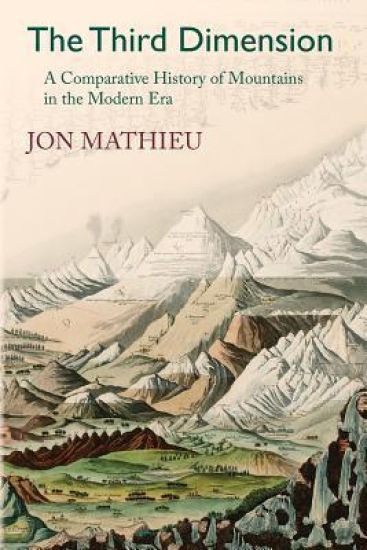
The Third Dimension

Jon Mathieu

White Horse Press
2013
nidottu
A pioneering examination of the three-dimensionality of the earth from the perspective of history and the humanities. This book considers the variegated world of mountains and their development during the last 500 years. It takes as its starting point the United Nations environmental conference of 1992 in Rio de Janeiro, where the mountains were officially recognised as a topic of the world community. Important precedents for this new agenda were built in the early modern period and in the nineteenth century, as European societies began to exceed their traditional limitations. The book begins with an investigation of this long-term process with respect to science, culture and politics, each of which has transformed our attitudes toward mountainous regions. It then takes up historical problems that have been debated in the latest research, placing them in a comparative framework. At the book's heart stands the question of whether and in what way the 'three-dimensional history' of mountain people may reveal distinctive forms of development.
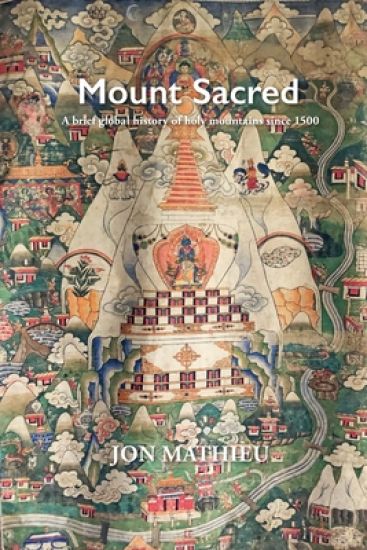
Mount Sacred

Mount Sacred

Jon Mathieu

White Horse Press
2023
nidottu
'There are mountains beyond the mountains' Chinese saying Mount Kailash in Asia, the Black Hills in North America, Uluru in Australia: around the globe there are numerous mountains that have been and continue to be attributed sacredness. Worship of these mountains involves prayer, meditation and pilgrimage. Christianity, which for a long time showed little interest in nature, provides a foil to these practices and was one factor in the tensions that arose in the age of colonialism. Decolonisation and the 'ecological turn' changed the religious power of interpretation and gave discourses about sacred mountains new meaning. Globally, however, they remain an outstanding example of cultural diversity, also touching on issues of gender justice and environmental protection. A translation from the original German.
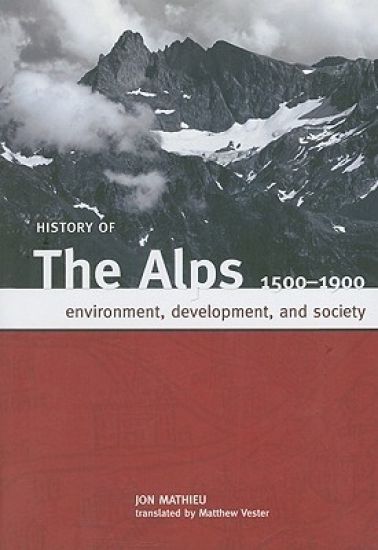
History of the Alps, 1500 - 1900

History of the Alps, 1500 - 1900

Jon Mathieu

West Virginia University Press
2009
nidottu
In the 1700s, Jean-Jacques Rousseau celebrated the Alps as the quintessence of the triumph of nature over the ""horrors"" of civilization. Now available in English, History of the Alps, 1500-1900: Environment, Development, and Society provides a precise history of one of the greatest mountain range systems in the world. Jon Mathieu's work disproves a number of commonly held notions about the Alps, positioning them as neither an inversion of lowland society nor a world apart with respect to Europe. Mathieu's broad historical portrait addresses both the economic and sociopolitical - exploring the relationship between population levels, development, and the Alpine environment, as well as the complex links between agrarian structure, society, and the development of modern civilization. More detailed analysis examines the relationship between various agrarian structures and shifting political configurations, several aspects of family history between the late Middle Ages and the turn of the twentieth century, and exploration of the Savoy, Grisons, and Carinthia regions.
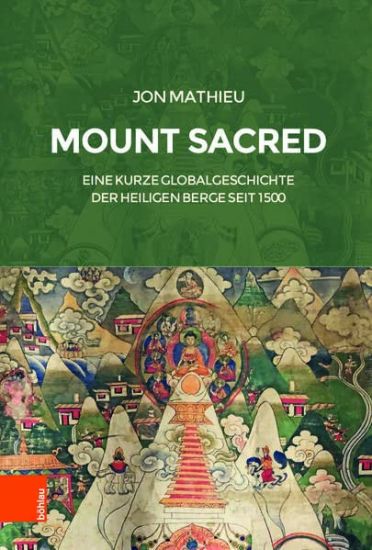
Mount Sacred

Mount Sacred

Jon Mathieu

Bohlau Verlag
2023
sidottu
Der Mount Kailash in Asien, die Black Hills in Nordamerika oder der Uluru in Australien: Rund um den Erdball gibt es zahlreiche Berge, denen in Geschichte und Gegenwart Heiligkeit zugesprochen wird. Die religiose Verehrung erfolgt mit Gebet, Meditation und Wallfahrt. Man kann diese Berge als Sonden gebrauchen, um hinter das Aussere der Gesellschaften zu blicken. Eine Kontrastfolie dazu bildet das Christentum, das lange wenig Interesse fur die Natur aufbrachte. Erst die europaische Gebirgsforschung und der Alpinismus sorgten fur eine gewisse Offnung. Im Zeitalter des Kolonialismus entstanden so vielfaltige Spannungen. Die Dekolonisation und die okologischen Wende veranderten die religiose Deutungsmacht und gaben der Rede uber heilige Berge einen neuen Sinn. Global bleiben sie indessen ein hervorragendes Beispiel fur kulturelle Diversitat, das auch Fragen der Gendergerechtigkeit und des Umweltschutzes beruhrt.
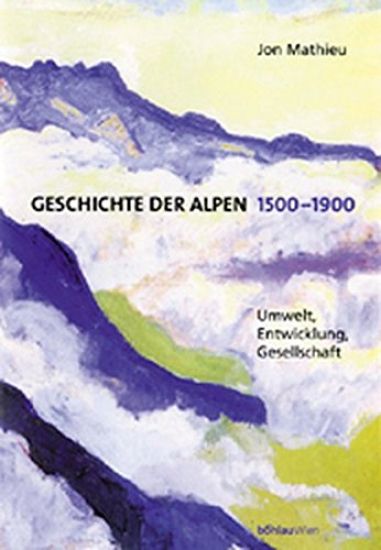
Geschichte Der Alpen 1500-1900: Umwelt, Entwicklung, Gesellschaft
Die Alpen gelten mindestens seit Jean-Jacques Rousseau als Verkorperung der Natur und damit als Gegenpol der Zivilisation - Grund genug, um die Geschichte dieser europaischen Gebirgsregion kaum wahrzunehmen bzw. den sechs Nationalstaaten zu uberlassen, die sich heute in sie teilen. Dieses Buch fuhrt durch die gemeinsame Geschichte des Alpenraumes vom Ausgang des Mittelalters bis 1900 und untersucht Bevolkerung, Wirtschaft und Umwelt. Die politischen Krafteverhaltnisse, okologische Fragestellungen und die aktuelle Diskussion um eine kunftige Alpenpolitik fliessen mit ein. Wie gestaltete sich die langfristige Beziehung zwischen Bevolkerung, WIrtschaft und Umwelt? Und wie wirkten sich politische Krafte auf die Verfassung und Gesellschaft aus?