Kirjojen hintavertailu. Mukana 11 717 486 kirjaa ja 12 kauppaa.

Kirjahaku

Etsi kirjoja tekijän nimen, kirjan nimen tai ISBN:n perusteella.

7 kirjaa tekijältä Jonathan Derrick

Africa, Empire and Fleet Street: Albert Cartwright and West Africa Magazine
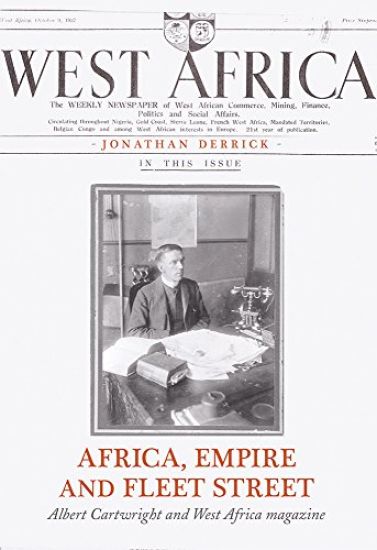
For decades before and after African independence, the London weekly West Africa was a well-known source of news, analysis and comment on the region, especially the (former) British territories. Jonathan Derrick, who worked on the magazine's staff in the 1960s and again in its final years before closure in 2003, here studies the earlier history of West Africa through the story of its largely forgotten editor, Albert Cartwright, from the magazine's founding in 1917 to Cartwright's retirement in 1947. Before editing West Africa, Cartwright spent twenty years in South Africa, making the headlines in 1901 when, as editor of Cape Town's South African News during the Boer War, he was jailed for a year for a war crimes allegation against Lord Kitchener. Exploring Cartwright family papers and memories, Derrick reveals the complex nature of a man who, for three decades, ran a colonial magazine but was appreciated by Africans as someone who genuinely understood them. Derrick places the story of colonial-era West Africa, which would reach its greatest heights during the independence period, within the wider landscape of British periodicals dealing with Africa in the nineteenth and twentieth centuries.
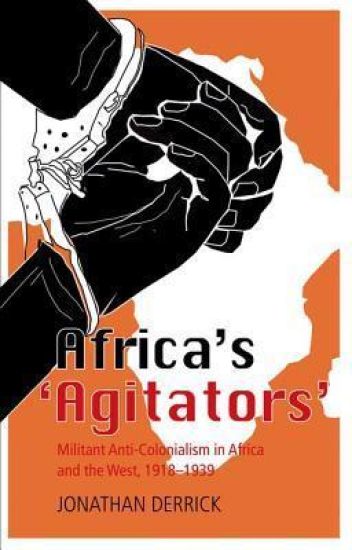
Africa's `Agitators': Militant Anti-Colonialism in Africa and the West, 1918-1939
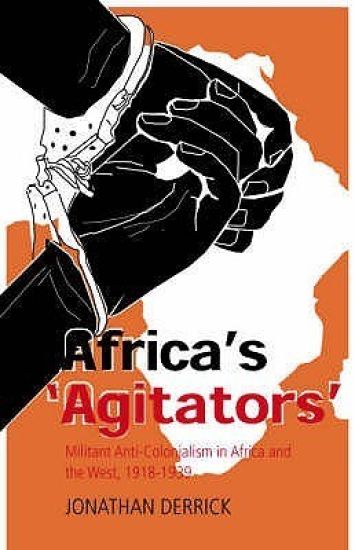
The period between the two World Wars were the peak years of the colonial empires, but they were not unchallenged. Individuals and organisations called for major reforms and an end to white supremacy and colonial rule, contributing first to local unrest and protest and then to anticolonial activity not only in Africa but the United States and Europe as well. In this compelling history, Jonathan Derrick recounts the opposition to British and French rule practised both by Africans living on the continent and by European anticolonialists and members of the Black Diaspora. He covers campaigns waged by an early incarnation of the ANC and other groups in South Africa who fought against legal and other aspects of white minority rule. He also analyses the Kikuyu protests against the settler regime in Kenya; Marcus Garvey's African American movement and its role in sparking interest in Africa; the toile Nord Africaine, formed mainly by Algerians in France, that called for the independence of French North Africa; protests led by European critics against forced labour in Kenya and French Equatorial Africa; and the activity of small militant groups like the Ligue de D fense de la Race N gre (LDRN) in France and George Padmore's International African Service Bureau (IASB) in Britain. Derrick also examines the role of the Comintern and Western Communist parties that were opposed to Western colonialism and ready to support militant action against it. He shows that, although colonial rulers greatly feared the spectre of Communism in Africa, actual Communist activity was in fact quite small. The onset of the Second World War pushed colonial issues to the background, but as Derrick argues, in the long term the anti-colonialists of the interwar era helped pave the way for later decolonisation.
Africa's Slaves Today

Africa's Slaves Today

Jonathan Derrick

TAYLOR FRANCIS LTD
2022
sidottu
Africa’s Slaves Today, first published in 1975, examines the question of the persistence of slavery in modern Africa. It concludes that slavery is by no means dead in certain regions, but that at the same time clear-cut definitions of ‘slave’ and ‘free’ are often impossible to establish. In the Sahara particularly centuries of tradition involving slavery or semi-slavery have ensured a persistence of the status quo in all but name. Recent instances of Africans sold into slavery in Arabia are discussed, together with a detailed survey of slavery throughout North Africa and Ethiopia. At what stage forced labour becomes slavery is a difficult question raised by the discussion of the white South. The whole subject of slavery is put into perspective by contrasting examinations of the historical situation throughout the book.
Africa's Slaves Today

Africa's Slaves Today

Jonathan Derrick

TAYLOR FRANCIS LTD
2024
nidottu
Africa’s Slaves Today, first published in 1975, examines the question of the persistence of slavery in modern Africa. It concludes that slavery is by no means dead in certain regions, but that at the same time clear-cut definitions of ‘slave’ and ‘free’ are often impossible to establish. In the Sahara particularly centuries of tradition involving slavery or semi-slavery have ensured a persistence of the status quo in all but name. Recent instances of Africans sold into slavery in Arabia are discussed, together with a detailed survey of slavery throughout North Africa and Ethiopia. At what stage forced labour becomes slavery is a difficult question raised by the discussion of the white South. The whole subject of slavery is put into perspective by contrasting examinations of the historical situation throughout the book.
Biafra in the News

Biafra in the News

Jonathan Derrick

C HURST CO PUBLISHERS LTD
2022
nidottu
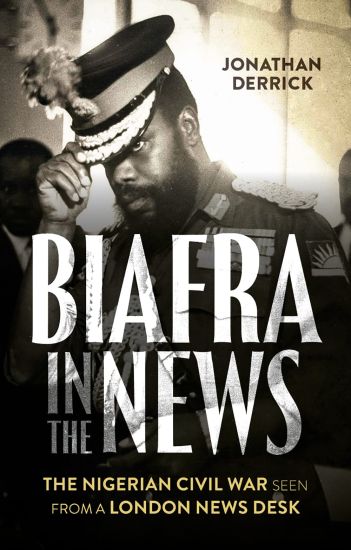
Fifty years ago, Nigeria endured a period of violent disturbance leading to the breakaway of the Eastern Region under the name Biafra. The resulting conflict (1967-70) aroused shock and protests around the world because of mass starvation in the war zone. While Britain supplied arms to the federal Nigerian government, and France to the Biafrans, relief agencies with contributions from countless individuals organised a memorable airlift of food and medicine to the Biafrans' Uli airstrip. Jonathan Derrick, then a journalist for the London weekly West Africa, followed these events closely and recorded the war in the magazine's news pages, right up to the federal forces' final victory and the remarkable reconciliation between supporters of Biafra--predominantly Igbo--and other Nigerians. He later worked for some years in Nigeria, and has studied much of the material published on the war since 1970. Here, he recounts the history of the conflict as documented in West Africa, referring to later literature on and analysis of the events, which inspired passion at the time and have provoked debate ever since. His account deals with myths, misapprehensions and controversies surrounding the conflict, while recalling the tragic facts of a grim episode in African history.
Africa, Empire and Fleet Street

Africa, Empire and Fleet Street

Jonathan Derrick

C Hurst Co Publishers Ltd
2018
sidottu
For decades before and after African independence, the London weekly West Africa was a well-known source of news, analysis and comment on the region, especially the (former) British territories. Jonathan Derrick, who worked on the magazine's staff in the 1960s and again in its final years before closure in 2003, here studies the earlier history of West Africa through the story of its largely forgotten editor, Albert Cartwright, from the magazine's founding in 1917 to Cartwright's retirement in 1947. Before editing West Africa, Cartwright spent twenty years in South Africa, making the headlines in 1901 when, as editor of Cape Town's South African News during the Boer War, he was jailed for a year for a war crimes allegation against Lord Kitchener. Exploring Cartwright family papers and memories, Derrick reveals the complex nature of a man who, for three decades, ran a colonial magazine but was appreciated by Africans as someone who genuinely understood them. Derrick places the story of colonial-era West Africa, which would reach its greatest heights during the independence period, within the wider landscape of British periodicals dealing with Africa in the nineteenth and twentieth centuries.
Africa's Agitators

Africa's Agitators

Jonathan Derrick

C Hurst Co Publishers Ltd
2008
nidottu
The period between the two World Wars were troubling years for colonial empire. Individuals and organizations called for major reforms and an end to white supremacy and colonial rule, contributing first to local unrest and protest and then to anticolonial activity not only in Africa but the United States and Europe as well. In this compelling history, Jonathan Derrick recounts the opposition to British and French rule practised both by Africans living on the continent and by European anticolonialists and members of the Black Diaspora. He covers campaigns waged by an early incarnation of the ANC and other groups in South Africa who fought against legal and other aspects of white minority rule. He also analyses the Kikuyu protests against the settler regime in Kenya; Marcus Garvey's African American movement and its role in sparking interest in Africa; the Etoile Nord Africaine, formed mainly by Algerians in France, that called for the independence of French North Africa; protests led by European critics against forced labor in Kenya and French Equatorial Africa; and the activity of small militant groups like the Ligue de Defense de la Race Negre (LDRN) in France and George Padmore's International African Service Bureau (IASB) in Britain. Derrick also examines the role of the Comintern and Western Communist parties that were opposed to Western colonialism and ready to support militant action against it. He shows that, although colonial rulers greatly feared the specter of Communism in Africa, actual Communist activity was in fact quite small. The onset of the Second World War pushed colonial issues to the background, but as Derrick argues, in the long term the anticolonialists of the interwar era helped pave the way for later decolonisation.