Kirjojen hintavertailu. Mukana 11 699 587 kirjaa ja 12 kauppaa.

Kirjahaku

Etsi kirjoja tekijän nimen, kirjan nimen tai ISBN:n perusteella.

4 kirjaa tekijältä Jonathan W. Gray

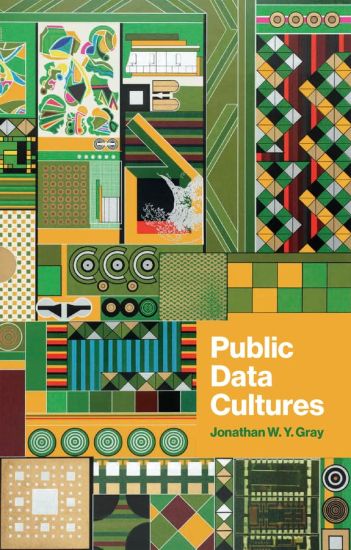
Public Data Cultures

Public Data Cultures

Jonathan W. Gray

JOHN WILEY AND SONS LTD
2025
sidottu
Public data shapes what we know and how we live together. It is often digital, freely available and related to matters of shared concern, from global warming graphs to collaborative spreadsheets documenting mass layoffs. It circulates via maps and apps which enable us to discover, report and rate what is around us. Public Data Cultures explores the practices and cultures of how data is made public in the age of the Internet. Looking beyond familiar narratives of data as a resource to be liberated or protected, this book offers new perspectives on public data as networked cultural material, as medium of participation and as site of transnational politics. To better account for how data makes a difference, the book argues for a more expansive conception of what is involved in making data public. In doing so, it focuses not just on removing restrictions but also on caring for arrangements involved in making data public in ways that grow shared understanding and solidarity in responding to the many intersecting troubles of our times. Nurturing critical and creative engagements with data, this book is essential reading for students and scholars of media, communications, Internet studies, science and technology studies and digital humanities, as well as artists, designers, engineers, reporters, public sector workers, community organisers and activists working with data.
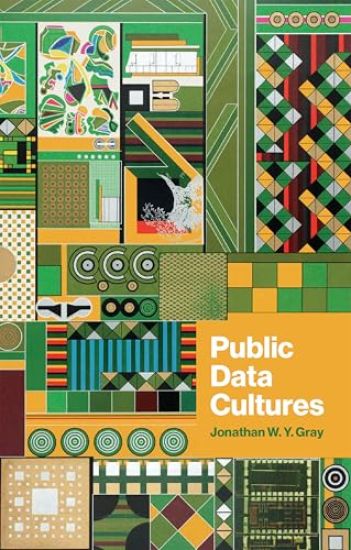
Public Data Cultures

Public Data Cultures

Jonathan W. Gray

JOHN WILEY AND SONS LTD
2025
nidottu
Public data shapes what we know and how we live together. It is often digital, freely available and related to matters of shared concern, from global warming graphs to collaborative spreadsheets documenting mass layoffs. It circulates via maps and apps which enable us to discover, report and rate what is around us. Public Data Cultures explores the practices and cultures of how data is made public in the age of the Internet. Looking beyond familiar narratives of data as a resource to be liberated or protected, this book offers new perspectives on public data as networked cultural material, as medium of participation and as site of transnational politics. To better account for how data makes a difference, the book argues for a more expansive conception of what is involved in making data public. In doing so, it focuses not just on removing restrictions but also on caring for arrangements involved in making data public in ways that grow shared understanding and solidarity in responding to the many intersecting troubles of our times. Nurturing critical and creative engagements with data, this book is essential reading for students and scholars of media, communications, Internet studies, science and technology studies and digital humanities, as well as artists, designers, engineers, reporters, public sector workers, community organisers and activists working with data.
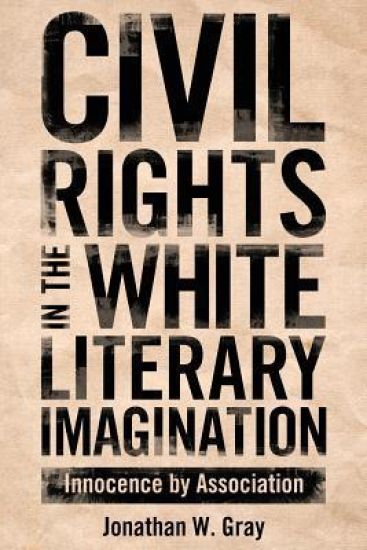
Civil Rights in the White Literary Imagination

Civil Rights in the White Literary Imagination

Jonathan W. Gray

University Press of Mississippi
2013
sidottu
The statement, ""The Civil Rights Movement changed America,"" though true, has become something of a cliché. Civil rights in the White Literary Imagination seeks to determine how, exactly, the Civil Rights Movement changed the literary possibilities of four iconic American writers: Robert Penn Warren, Norman Mailer, Eudora Welty, and William Styron. Each of these writers published significant works prior to the Brown v. Board of Education case in 1954 and the Montgomery Bus Boycott that began in December of the following year, making it possible to trace their evolution in reaction to these events. The work these writers crafted in response to the upheaval of the day, from Warren's Who Speaks for the Negro?, to Mailer's ""The White Negro"" to Welty's ""Where Is the Voice Coming From?"" to Styron's Confessions of Nat Turner, reveal much about their own feeling in the moment even as they contribute to the national conversation that centered on race and democracy. By examining these works closely, Gray posits the argument that these writers significantly shaped discourse on civil rights as the movement was occurring but did so in ways that--intentionally or not--often relied upon a notion of the relative innocence of the South with regard to racial affairs, and on a construct of African Americans as politically and/or culturally na*ve. As these writers grappled with race and the myth of southern nobility, their work developed in ways that were simultaneously sympathetic of, and condescending to, black intellectual thought occurring at the same time.
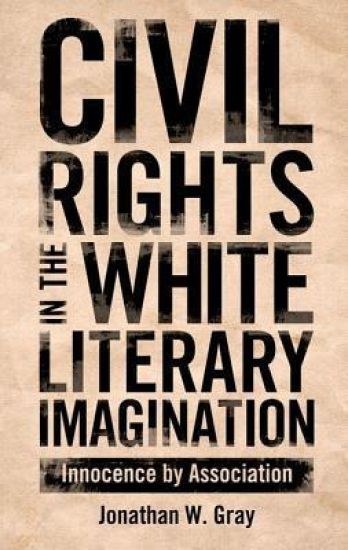
Civil Rights in the White Literary Imagination

Civil Rights in the White Literary Imagination

Jonathan W. Gray

University Press of Mississippi
2014
nidottu
The statement, ""The civil rights movement changed America,"" though true, has become something of a cliché. Civil Rights in the White Literary Imagination seeks to determine how, exactly, the movement affected four iconic American writers: Robert Penn Warren, Norman Mailer, Eudora Welty, and William Styron. Each of these writers published significant works before and after the Brown v. Board of Education case in 1954 and the Montgomery Bus Boycott that began in December of the following year, making it possible to trace their evolution in reaction to these events. The work these writers crafted in response to the upheaval of the day, from Warren's Who Speaks for the Negro?, to Mailer's ""The White Negro"" to Welty's ""Where Is the Voice Coming From?"" to Styron's Confessions of Nat Turner, reveal much about their own feeling in the moment even as they contribute to the national conversation that centered on race and democracy.By examining these works closely, Gray posits the argument that these writers significantly shaped discourse on civil rights as the movement was occurring but did so in ways that--intentionally or not--often relied upon a notion of the relative innocence of the South with regard to racial affairs and on a construct of African Americans as politically and/or culturally naïve. As these writers grappled with race and the myth of southern nobility, their work developed in ways that were simultaneously sympathetic of, and condescending to, black intellectual thought occurring at the same time.