Kirjojen hintavertailu. Mukana 12 016 292 kirjaa ja 12 kauppaa.

Kirjahaku

Etsi kirjoja tekijän nimen, kirjan nimen tai ISBN:n perusteella.

12 kirjaa tekijältä Jordan Goodman

Planting the World

Planting the World

Jordan Goodman

William Collins
2021
nidottu
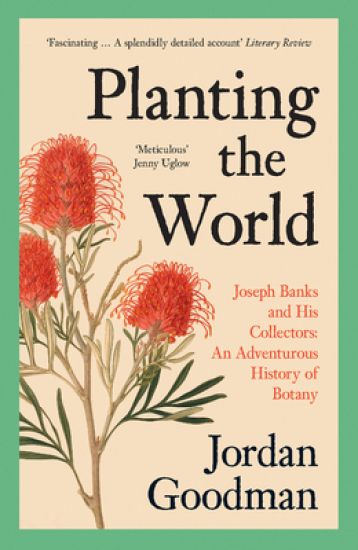
‘Based on meticulous research in original sources … Goodman illustrates vividly how adept [Banks] was … Shining a light on individuals whose achievements are relatively uncelebrated’ Jenny Uglow, New York Review of Books A bold new history of how botany and global plant collecting – centred at Kew Gardens and driven by Joseph Banks – transformed the earth. Botany was the darling and the powerhouse of the eighteenth century. As European ships ventured across the Atlantic, Indian and Pacific oceans, discovery bloomed. Bounties of new plants were brought back, and their arrival meant much more than improved flowerbeds – it offered a new scientific frontier that would transform Europe’s industry, medicine, eating and drinking habits, and even fashion. Joseph Banks was the dynamo for this momentous change. As botanist for James Cook’s great voyage to the South Pacific on the Endeavour, Banks collected plants on a vast scale, armed with the vision – as a child of the Enlightenment – that to travel physically was to advance intellectually. His thinking was as intrepid as Cook’s seafaring: he commissioned radically influential and physically daring expeditions such as those of Francis Masson to the Cape Colony, George Staunton to China, George Caley to Australia, William Bligh to Tahiti and Jamaica, among many others. Jordan Goodman’s epic history follows these high seas adventurers and their influence in Europe, as well as taking us back to the early years of Kew Gardens, which Banks developed devotedly across the course of his life, transforming it into one of the world’s largest and most diverse botanical gardens. In a rip-roaring global expedition, based on original sources in many languages, Goodman gives a momentous history of how the discoveries made by Banks and his collectors advanced scientific understanding around the world.

Planting the World: Lib/E: Joseph Banks and His Collectors: An Adventurous History of Botany
A bold new history of how botany and global plant collecting - centred at Kew Gardens and driven by Joseph Banks - transformed the earth.Botany was the darling and the powerhouse of the 18th century. As European ships ventured across the Atlantic, Indian and Pacific oceans, discovery bloomed. Bounties of new plants were brought back, and their arrival meant much more than improved flowerbeds - it offered a new scientific frontier that would transform Europe's industry, medicine, eating and drinking habits, and even fashion.Joseph Banks was the dynamo for this momentous change. As botanist for James Cook's great voyage to the South Pacific on the Endeavour, Banks collected plants on a vast scale, armed with the vision as a child of the Enlightenment - that to travel physically was to advance intellectually. His thinking was as intrepid as Cook's seafaring: he commissioned radically influential and physically daring expeditions such as those of Francis Masson to the Cape Colony, George Staunton to China, George Caley to Australia, William Bligh to Tahiti and Jamaica, among many others.Jordan Goodman's epic history follows these high seas adventurers and their influence in Europe, while also taking us back to the early years of Kew Gardens, which Banks developed devotedly across the course of his life, transforming it into one of the world's largest and most diverse botanical gardens.In a rip-roaring global expedition, based on original sources in many languages, Goodman gives a momentous history of how the discoveries made by Banks and his collectors advanced scientific understanding around the world.

Planting the World:: Joseph Banks and His Collectors: An Adventurous History of Botany
A bold new history of how botany and global plant collecting - centred at Kew Gardens and driven by Joseph Banks - transformed the earth.Botany was the darling and the powerhouse of the 18th century. As European ships ventured across the Atlantic, Indian and Pacific oceans, discovery bloomed. Bounties of new plants were brought back, and their arrival meant much more than improved flowerbeds - it offered a new scientific frontier that would transform Europe's industry, medicine, eating and drinking habits, and even fashion.Joseph Banks was the dynamo for this momentous change. As botanist for James Cook's great voyage to the South Pacific on the Endeavour, Banks collected plants on a vast scale, armed with the vision as a child of the Enlightenment - that to travel physically was to advance intellectually. His thinking was as intrepid as Cook's seafaring: he commissioned radically influential and physically daring expeditions such as those of Francis Masson to the Cape Colony, George Staunton to China, George Caley to Australia, William Bligh to Tahiti and Jamaica, among many others.Jordan Goodman's epic history follows these high seas adventurers and their influence in Europe, while also taking us back to the early years of Kew Gardens, which Banks developed devotedly across the course of his life, transforming it into one of the world's largest and most diverse botanical gardens.In a rip-roaring global expedition, based on original sources in many languages, Goodman gives a momentous history of how the discoveries made by Banks and his collectors advanced scientific understanding around the world.
Planting the World:: Joseph Banks and His Collectors: An Adventurous History of Botany
A bold new history of how botany and global plant collecting - centred at Kew Gardens and driven by Joseph Banks - transformed the earth.Botany was the darling and the powerhouse of the 18th century. As European ships ventured across the Atlantic, Indian and Pacific oceans, discovery bloomed. Bounties of new plants were brought back, and their arrival meant much more than improved flowerbeds - it offered a new scientific frontier that would transform Europe's industry, medicine, eating and drinking habits, and even fashion.Joseph Banks was the dynamo for this momentous change. As botanist for James Cook's great voyage to the South Pacific on the Endeavour, Banks collected plants on a vast scale, armed with the vision as a child of the Enlightenment - that to travel physically was to advance intellectually. His thinking was as intrepid as Cook's seafaring: he commissioned radically influential and physically daring expeditions such as those of Francis Masson to the Cape Colony, George Staunton to China, George Caley to Australia, William Bligh to Tahiti and Jamaica, among many others.Jordan Goodman's epic history follows these high seas adventurers and their influence in Europe, while also taking us back to the early years of Kew Gardens, which Banks developed devotedly across the course of his life, transforming it into one of the world's largest and most diverse botanical gardens.In a rip-roaring global expedition, based on original sources in many languages, Goodman gives a momentous history of how the discoveries made by Banks and his collectors advanced scientific understanding around the world.
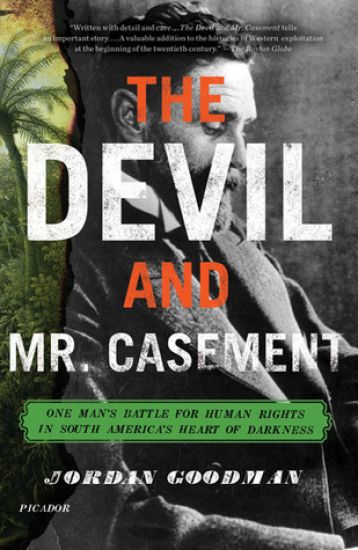
The Devil and Mr. Casement: One Man's Battle for Human Rights in South America's Heart of Darkness
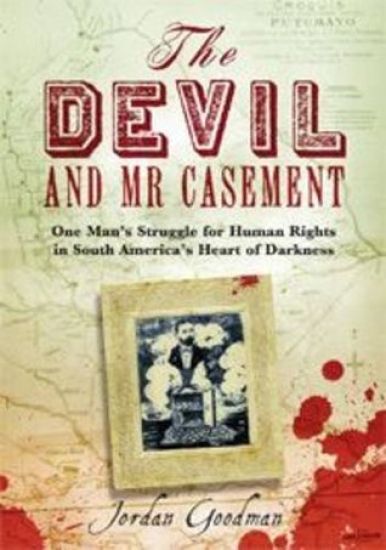
In September 1910, the activist Roger Casement arrived in the Amazon jungle on a mission for the British government: to investigate reports of widespread human-rights abuses in the forests along the Putumayo River. Casement was outraged by what he uncovered: nearly thirty thousand Indians had died to produce four thousand tons of rubber for Peruvian and British commercial interests, under the brutal rubber baron Julio C sar Arana. In 1912, Casement's seven-hundred-page report of the Putumayo violence set off reverberations throughout the world. Drawing on a wealth of original research, The Devil and Mr. Casement is a haunting story of modern capitalism with enormous contemporary political resonance.
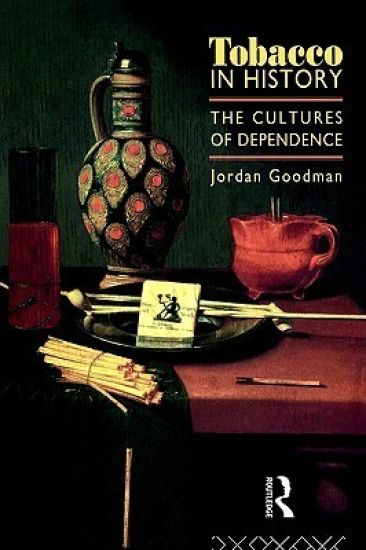
Tobacco in History

Tobacco in History

Jordan Goodman

Routledge
1994
nidottu
Revealing the complex web of dependence and relationships surrounding the controversial plant, a comprehensive survey of tobacco encompasses colonialism, consumerism, medical discourse, and multinational enterprise in its progression from food of the spirits to fatal epidemic. Reprint. IP.
Tobacco in History

Tobacco in History

Jordan Goodman

Routledge
2016
sidottu
Jordan Goodman explores the historical transformation of tobacco from Amerindian shamanism to global capitalism, from the food of the spirits to the fatal epidemic, from the rough pipe and cigar to the modern-day cigarette. This scholarly and comprehensive survey combines up-to-date published work with primary research to provide a systematic way of understanding current debates from a historical perspective. Goodman draws on a wide range of disciplines to present a history that explores larger themes, such as colonialism, consumerism, medical discourse and multinational enterprise. The book reveals the complex web of dependence and relationships surrounding this controversial commodity.
Paul Robeson

Paul Robeson

Jordan Goodman

Verso Books
2013
sidottu
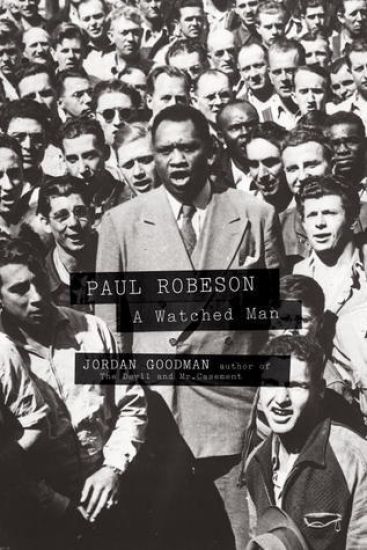
In his heyday, Paul Robeson was one of the most famous people in the world; to his enemies he was also one of the most dangerous. From the 1930s to the 1960s, the African-American singer was the voice of the people, both as a performer and as a political activist who refused to be silenced.Having won fame with hits such as "Ol' Man River" and thrilling London and New York theatregoers with his legendary performance in Othello, Robeson established himself as a vocal supporter of Civil Rights and an opponent of oppression in all its forms. He traveled the world, performing in front of thousands to deliver a message of peace, equality and justice that was as readily understood on the streets of Manchester, Moscow, Johannesburg and Bombay as it was in Harlem and Washington, DC.The first new work on the leading African-American singer for over a decade, Paul Robeson: A Watched Man is a story of passionate political struggle and conviction. Using archival material from the FBI, the State Department, MI5 and other secret agencies, Jordan Goodman reveals the true extent of the US government's fear of this heroic individual. Robeson eventually appeared before the House Un-American Activities Committee, where he spiritedly defended his long-held convictions and refused to apologise, despite the potential damage to his career.
Paul Robeson: A Watched Man

Paul Robeson: A Watched Man

Jordan Goodman

VERSO
2017
nidottu
In his heyday, Paul Robeson was one of the most famous people in the world; to his enemies he was also one of the most dangerous. From the 1930s to the 1960s, the African-American singer was the voice of the people, both as a performer and as a political activist who refused to be silenced. Having won fame with hits such as "Ol' Man River" and thrilling London and New York theatregoers with his legendary performance in Othello, Robeson established himself as a vocal supporter of Civil Rights and an opponent of oppression in all its forms. He traveled the world, performing in front of thousands to deliver a message of peace, equality and justice that was as readily understood on the streets of Manchester, Moscow, Johannesburg and Bombay as it was in Harlem and Washington, DC. The first new work on the leading African-American singer for over a decade, Paul Robeson: A Watched Man is a story of passionate political struggle and conviction. Using archival material from the FBI, the State Department, MI5 and other secret agencies, Jordan Goodman reveals the true extent of the US government's fear of this heroic individual. Robeson eventually appeared before the House Un-American Activities Committee, where he spiritedly defended his long-held convictions and refused to apologize, despite the potential damage to his career.
The Devil and Mr Casement

The Devil and Mr Casement

Jordan Goodman

Verso Books
2010
nidottu
In September 1910, the human rights activist and anti-imperialist Roger Casement arrived in the Amazon to investigate reports of widespread human rights abuses in the vast forests stretching along the Putumayo river. There, the Peruvian entrepreneur Julio César Arana ran an area the size of Belgium as his own private fiefdom; his British registered company operated a systematic programme of torture, exploitation and murder. Fresh from documenting the scarcely imaginable atrocities perpetrated by King Leopold in the Congo, Casement was confronted with an all too recognisable scenario. He uncovered an appalling catalogue of abuse: nearly 30,000 Indians had died to produce four thousand tonnes of rubber.From the Peruvian rainforests to the City of London, Jordan Goodman recounts a crime against humanity that history has almost forgotten, but whose exposure in 1912 sent shockwaves around the world. Drawing on a wealth of original research, The Devil and Mr Casement is a story of colonial exploitation and corporate greed with enormous contemporary political resonance.