Kirjojen hintavertailu. Mukana 11 244 527 kirjaa ja 12 kauppaa.

Kirjahaku

Etsi kirjoja tekijän nimen, kirjan nimen tai ISBN:n perusteella.

2 kirjaa tekijältä Jorg Kustermans

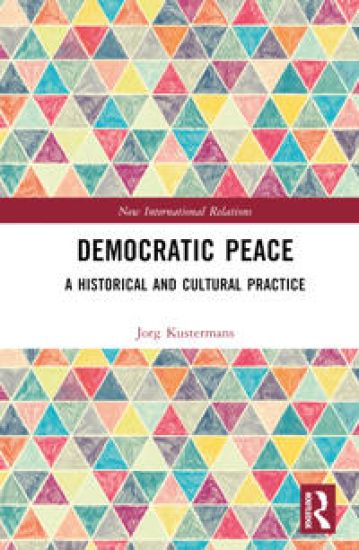
Democratic Peace

Democratic Peace

Jorg Kustermans

TAYLOR FRANCIS LTD
2023
sidottu
This book advances the theory that “democratic peace” does not exclusively refer to an absence of war among democracies but should also be thought of as a particular way of “doing, thinking, and feeling” peace. Democratic peace is not only then a statistical finding or a rhetorical commonplace invoked to justify foreign policy decisions. Rather, the notion also refers to a historically and culturally situated practice.Taking this reconceptualization as the theoretical point of departure, the author develops a historical reconstruction of democratic peace laying bare its historical background and assessing its political significance. Tentatively situating it within the cultural history of modernity, he reconstructs how the idea of a democratic peace informed diplomatic action at the onset of the Cold War and during the Arab Spring.The primary audience are researchers in international relations, specifically democratic peace theorists, peace researchers, cultural sociologists, and international practice theorists.
Democratic Peace

Democratic Peace

Jorg Kustermans

TAYLOR FRANCIS LTD
2025
nidottu
This book advances the theory that “democratic peace” does not exclusively refer to an absence of war among democracies but should also be thought of as a particular way of “doing, thinking, and feeling” peace. Democratic peace is not only then a statistical finding or a rhetorical commonplace invoked to justify foreign policy decisions. Rather, the notion also refers to a historically and culturally situated practice.Taking this reconceptualization as the theoretical point of departure, the author develops a historical reconstruction of democratic peace laying bare its historical background and assessing its political significance. Tentatively situating it within the cultural history of modernity, he reconstructs how the idea of a democratic peace informed diplomatic action at the onset of the Cold War and during the Arab Spring.The primary audience are researchers in international relations, specifically democratic peace theorists, peace researchers, cultural sociologists, and international practice theorists.