Kirjojen hintavertailu. Mukana 11 627 220 kirjaa ja 12 kauppaa.

Kirjahaku

Etsi kirjoja tekijän nimen, kirjan nimen tai ISBN:n perusteella.

5 kirjaa tekijältä Joseph A. Fry

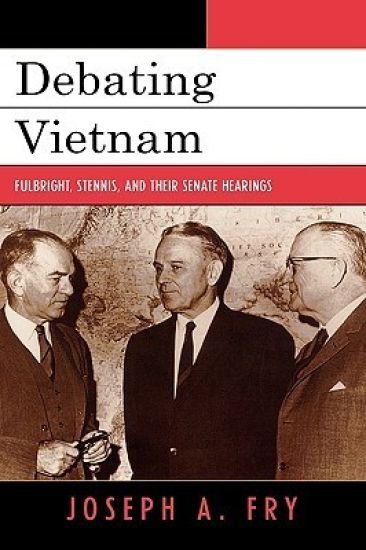
Debating Vietnam

Debating Vietnam

Joseph A. Fry

Rowman Littlefield Publishers
2006
sidottu
In the midst of the Vietnam War, two titans of the Senate, J. William Fulbright and John C. Stennis, held public hearings to debate the conflict's future. In this intriguing new work, historian Joseph A. Fry provides the first comparative analysis of these inquiries and the senior southern Senators who led them. The Senators' shared aim was to alter the Johnson administration's strategy and bring an end to the war—but from dramatically different perspectives. Fulbright hoped to pressure Johnson to halt escalation and seek a negotiated settlement, while Stennis wanted to prompt the President to bomb North Vietnam more aggressively and secure a victorious end to the war. Publicized and televised, these hearings added fuel to the fire of national debate over Vietnam policy and captured the many arguments of both hawks and doves. Fry details the dramatic confrontations between the Senate committees and the administration spokesmen, Dean Rusk and Robert McNamara, and he probes the success of congressional efforts to influence Vietnam policy. Ultimately, Fry shows how the Fulbright and Stennis hearings provide vivid insight into the debate over why the United States was involved in Vietnam and how the war should be conducted.
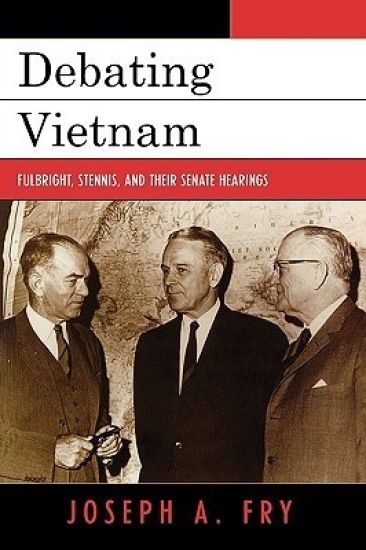
Debating Vietnam

Debating Vietnam

Joseph A. Fry

Rowman Littlefield Publishers
2006
nidottu
In the midst of the Vietnam War, two titans of the Senate, J. William Fulbright and John C. Stennis, held public hearings to debate the conflict's future. In this intriguing new work, historian Joseph A. Fry provides the first comparative analysis of these inquiries and the senior southern Senators who led them. The Senators' shared aim was to alter the Johnson administration's strategy and bring an end to the war—but from dramatically different perspectives. Fulbright hoped to pressure Johnson to halt escalation and seek a negotiated settlement, while Stennis wanted to prompt the President to bomb North Vietnam more aggressively and secure a victorious end to the war. Publicized and televised, these hearings added fuel to the fire of national debate over Vietnam policy and captured the many arguments of both hawks and doves. Fry details the dramatic confrontations between the Senate committees and the administration spokesmen, Dean Rusk and Robert McNamara, and he probes the success of congressional efforts to influence Vietnam policy. Ultimately, Fry shows how the Fulbright and Stennis hearings provide vivid insight into the debate over why the United States was involved in Vietnam and how the war should be conducted.
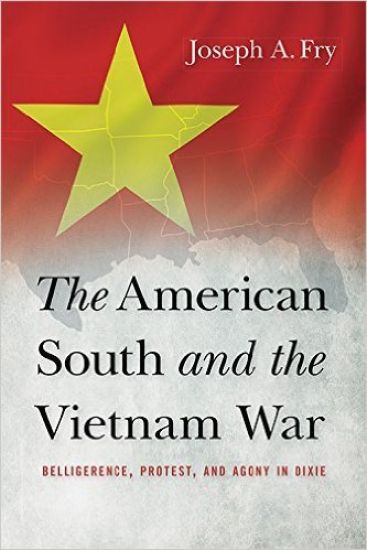
The American South and the Vietnam War

The American South and the Vietnam War

Joseph A. Fry

The University Press of Kentucky
2015
sidottu
To fully comprehend the Vietnam War, it is essential to understand the central role that southerners played in the nation's commitment to the war, in the conflict's duration, and in the fighting itself. President Lyndon B. Johnson of Texas and Secretary of State Dean Rusk of Georgia oversaw the dramatic escalation of U.S. military involvement from 1965 through 1968. General William Westmoreland, born and raised in South Carolina, commanded U.S. forces during most of the Johnson presidency. Widely supported by their constituents, southern legislators collectively provided the most dependable support for war funding and unwavering opposition to measures designed to hasten U.S. withdrawal from the conflict. In addition, southerners served, died, and were awarded the Medal of Honor in numbers significantly disproportionate to their states' populations. In The American South and the Vietnam War, Joseph A. Fry demonstrates how Dixie's majority pro-war stance derived from a host of distinctly regional values, perspectives, and interests. He also considers the views of the dissenters, from student protesters to legislators such as J. William Fulbright, Albert Gore Sr., and John Sherman Cooper, who worked in the corridors of power to end the conflict, and civil rights activists such as Martin Luther King Jr., Muhammad Ali, and Julian Bond, who were among the nation's most outspoken critics of the war. Fry's innovative and masterful study draws on policy analysis and polling data as well as oral histories, transcripts, and letters to illuminate not only the South's influence on foreign relations, but also the personal costs of war on the home front.
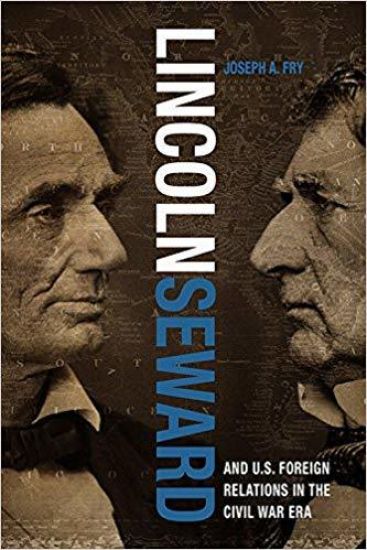
Lincoln, Seward, and US Foreign Relations in the Civil War Era

Lincoln, Seward, and US Foreign Relations in the Civil War Era

Joseph A. Fry

The University Press of Kentucky
2019
sidottu
The Civil War marked a significant turning point in American history -- not only for the United States itself but also for its relations with foreign powers both during and after the conflict. The friendship and foreign policy partnership between President Abraham Lincoln and Secretary of State William Henry Seward shaped those US foreign policies. These unlikely allies, who began as rivals during the 1860 presidential nomination, helped ensure that America remained united and prospered in the aftermath of the nation's consuming war. In Lincoln, Seward, and US Foreign Relations in the Civil War Era, Joseph A. Fry examines the foreign policy decisions that resulted from this partnership and the legacy of those decisions. Lincoln and Seward, despite differences in upbringing, personality, and social status, both adamantly believed in the preservation of the union and the need to stymie slavery. They made that conviction the cornerstone of their policies abroad, and through those policies, such as Seward threatening war with any nation that intervened in the Civil War, they prevented European intervention that could have led to Northern defeat. The Union victory allowed America to resume imperial expansion, a dynamic that Seward sustained beyond Lincoln's death during his tenure as President Andrew Johnson's Secretary of State. Fry's analysis of the Civil War from an international perspective and the legacy of US policy decisions provides a more complete view of the war and a deeper understanding of this crucial juncture in American history.