Kirjojen hintavertailu. Mukana 12 083 983 kirjaa ja 12 kauppaa.

Kirjahaku

Etsi kirjoja tekijän nimen, kirjan nimen tai ISBN:n perusteella.

12 kirjaa tekijältä Joseph Crawford
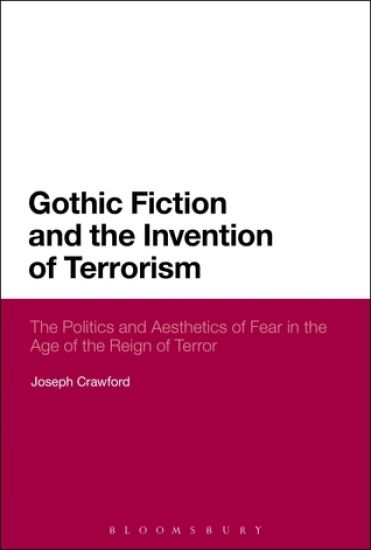
Gothic Fiction and the Invention of Terrorism

Gothic Fiction and the Invention of Terrorism

Joseph Crawford

Bloomsbury Academic
2013
sidottu
Choice Outstanding Academic Title 2014This book examines the connections between the growth of'terror fiction' - the genre now known as 'Gothic' - in the late eighteenthcentury, and the simultaneous appearance of the conceptual origins of'terrorism' as a category of political action. In the 1790s, Crawford argues, fourinter-connected bodies of writing arose in Britain: the historical mythology ofthe French Revolution, the political rhetoric of 'terrorism', the genre ofpolitical conspiracy theory, and the literary genre of Gothic fiction, known atthe time as 'terrorist novel writing'. All four bodies of writing drew heavilyupon one another, in order to articulate their shared sense of the radical andmonstrous otherness of the extremes of human evil, a sense which was quite newto the eighteenth century, but has remained central to the ways in which wehave thought and written about evil and violence ever since.
Gothic Fiction and the Invention of Terrorism

Gothic Fiction and the Invention of Terrorism

Joseph Crawford

Bloomsbury Academic
2015
nidottu
Choice Outstanding Academic Title 2014This book examines the connections between the growth of'terror fiction' - the genre now known as 'Gothic' - in the late eighteenthcentury, and the simultaneous appearance of the conceptual origins of'terrorism' as a category of political action. In the 1790s, Crawford argues, fourinter-connected bodies of writing arose in Britain: the historical mythology ofthe French Revolution, the political rhetoric of 'terrorism', the genre ofpolitical conspiracy theory, and the literary genre of Gothic fiction, known atthe time as 'terrorist novel writing'. All four bodies of writing drew heavilyupon one another, in order to articulate their shared sense of the radical andmonstrous otherness of the extremes of human evil, a sense which was quite newto the eighteenth century, but has remained central to the ways in which wehave thought and written about evil and violence ever since.
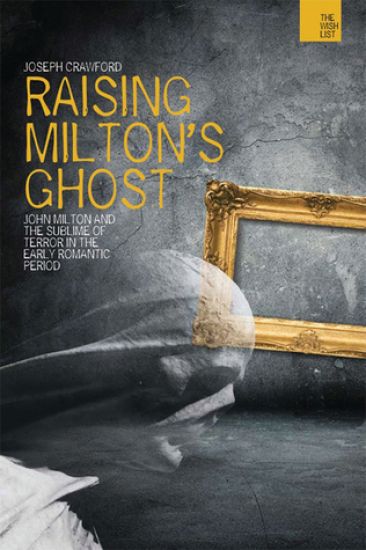
Raising Milton's Ghost

Raising Milton's Ghost

Joseph Crawford

Bloomsbury Academic
2015
nidottu
This book is available as open access through the Bloomsbury Open Access programme and is available on www.bloomsburycollections.com.Why was Milton so important to the Romantics? How did 'Milton the Regicide', a man often regarded in his lifetime as a dangerous traitor and heretic, become 'the Sublime Milton'?The late eighteenth century saw a sudden and to date almost undocumented craze for all things Miltonic, the symptoms of which included the violation of his grave and the sale of his hair and bones as relics, the republication of all his works including his political tracts in unprecedented numbers, the appearance of the poet in the works, letters, dreams and visions of all the major British Romantic poets and even frequent reports of hauntings by his ghost. Drawing on the traditions of cultural, intellectual and bibliographic history as well as recent trends in literary scholarship on the romantic period, Joseph Crawford explores the dramatic shift in Milton's cultural status after 1790. He builds on a now significant literature on Milton's legacy to the Romantic poets, uncovering the cultural historical background against which the Romantics and their contemporaries encountered and interacted with Milton's reputation and works.
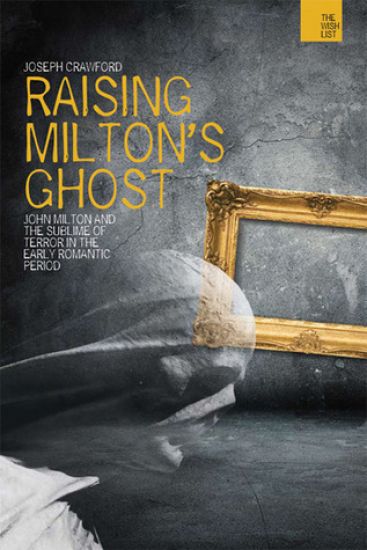
Raising Milton's Ghost

Raising Milton's Ghost

Joseph Crawford

Bloomsbury Academic
2011
sidottu
This book is available as open access through the Bloomsbury Open Access programme and is available on www.bloomsburycollections.com.Why was Milton so important to the Romantics? How did 'Milton the Regicide', a man often regarded in his lifetime as a dangerous traitor and heretic, become 'the Sublime Milton'?The late eighteenth century saw a sudden and to date almost undocumented craze for all things Miltonic, the symptoms of which included the violation of his grave and the sale of his hair and bones as relics, the republication of all his works including his political tracts in unprecedented numbers, the appearance of the poet in the works, letters, dreams and visions of all the major British Romantic poets and even frequent reports of hauntings by his ghost. Drawing on the traditions of cultural, intellectual and bibliographic history as well as recent trends in literary scholarship on the romantic period, Joseph Crawford explores the dramatic shift in Milton's cultural status after 1790. He builds on a now significant literature on Milton's legacy to the Romantic poets, uncovering the cultural historical background against which the Romantics and their contemporaries encountered and interacted with Milton's reputation and works.
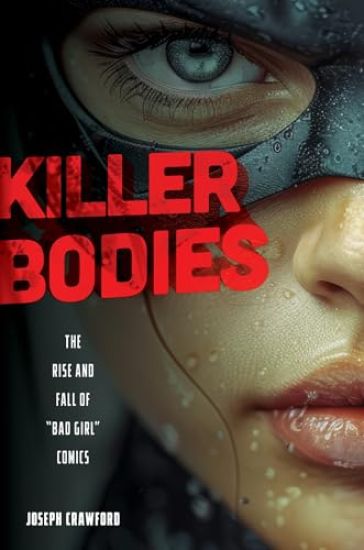
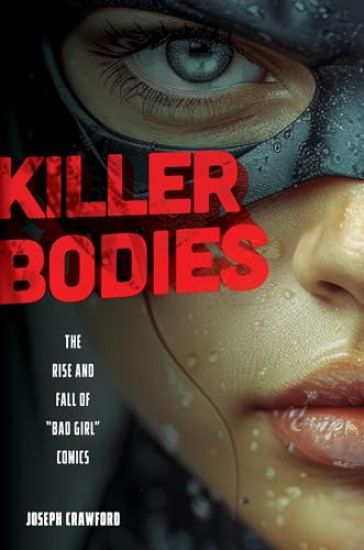
Killer Bodies

Killer Bodies

Joseph Crawford

RUTGERS UNIVERSITY PRESS
2025
nidottu
Killer Bodies offers a history of the single most critically-derided subgenre in American superhero comics: the ‘bad girl’ comics of the 1990s, which chronicled the blood-soaked adventures of barely-dressed and improbably-proportioned action heroines for an audience of adolescent boys. While not in any way attempting to rehabilitate the genre, which for the most part amply deserved its reputation as sexist and borderline pornographic, this book situates it within its original cultural context, as the result of a matrix of influences that included third-wave feminism, neopaganism, ‘girl power’, the rise of the internet, the growing popularity of manga, supermodel beauty ideals, and the mainstreaming of pornography. It explores why and how the figure of the anti-heroic, physically aggressive, sexually objectified heroine arose within American comics culture, and the commercial and ideological factors that led to the genre’s rapid rise and equally rapid decline amidst the crisis-racked comics industry of the mid-1990s.
Killer Bodies

Killer Bodies

Joseph Crawford

RUTGERS UNIVERSITY PRESS
2025
sidottu
Killer Bodies offers a history of the single most critically-derided subgenre in American superhero comics: the ‘bad girl’ comics of the 1990s, which chronicled the blood-soaked adventures of barely-dressed and improbably-proportioned action heroines for an audience of adolescent boys. While not in any way attempting to rehabilitate the genre, which for the most part amply deserved its reputation as sexist and borderline pornographic, this book situates it within its original cultural context, as the result of a matrix of influences that included third-wave feminism, neopaganism, ‘girl power’, the rise of the internet, the growing popularity of manga, supermodel beauty ideals, and the mainstreaming of pornography. It explores why and how the figure of the anti-heroic, physically aggressive, sexually objectified heroine arose within American comics culture, and the commercial and ideological factors that led to the genre’s rapid rise and equally rapid decline amidst the crisis-racked comics industry of the mid-1990s.
Inspiration and Insanity in British Poetry

Inspiration and Insanity in British Poetry

Joseph Crawford

Springer Nature Switzerland AG
2019
sidottu
This book explores the ways in which poetic inspiration came to be associated with madness in early nineteenth-century Britain. By examining the works of poets such as Barrett, Browning, Clare, Tennyson, Townshend, and the Spasmodics in relation to the burgeoning asylum system and shifting medical discourses of the period, it investigates the ways in which Britain’s post-Romantic poets understood their own poetic vocations within a cultural context that insistently linked poetic talent with illness and insanity. Joseph Crawford examines the popularity of mesmerism among the writers of the era, as an alternative system of medicine that provided a more sympathetic account of the nature of poetic genius, and investigates the persistent tension, found throughout the literary and medical writings of the period, between the Romantic ideal of the poet as a transcendent visionary genius and the ‘medico-psychological’ conception of poets as mere case studies in abnormal neurological development.
Inspiration and Insanity in British Poetry

Inspiration and Insanity in British Poetry

Joseph Crawford

Springer Nature Switzerland AG
2020
nidottu
This book explores the ways in which poetic inspiration came to be associated with madness in early nineteenth-century Britain. By examining the works of poets such as Barrett, Browning, Clare, Tennyson, Townshend, and the Spasmodics in relation to the burgeoning asylum system and shifting medical discourses of the period, it investigates the ways in which Britain’s post-Romantic poets understood their own poetic vocations within a cultural context that insistently linked poetic talent with illness and insanity. Joseph Crawford examines the popularity of mesmerism among the writers of the era, as an alternative system of medicine that provided a more sympathetic account of the nature of poetic genius, and investigates the persistent tension, found throughout the literary and medical writings of the period, between the Romantic ideal of the poet as a transcendent visionary genius and the ‘medico-psychological’ conception of poets as mere case studies in abnormal neurological development.
The Twilight of the Gothic?

The Twilight of the Gothic?

Joseph Crawford

University of Wales Press
2014
sidottu
Winner of the 2015 Allan Lloyd Smith Memorial Prize. This book explores the history of the paranormal romance genre; from its origins in the revisionist horror fiction of the 1970s, via its emergence as a minor sub-genre of romantic fiction in the early 1990s, to its contemporary expansion in recent years into an often-controversial genre of mainstream fiction. Tracing the genre from its roots in older Gothic fiction written by and for women, it explores the interconnected histories of Gothic and romantic fiction, from Ann Radcliffe and Jane Austen in the eighteenth century to Buffy, Twilight, True Blood and The Vampire Diaries in the present day. In doing so, it investigates the extent to which the post-Twilight paranormal romance really does represent a break from older traditions of Gothic fiction - and just what it is about the genre that has made it so extraordinarily divisive, captivating millions of readers whilst simultaneously infuriating and repelling so many others.