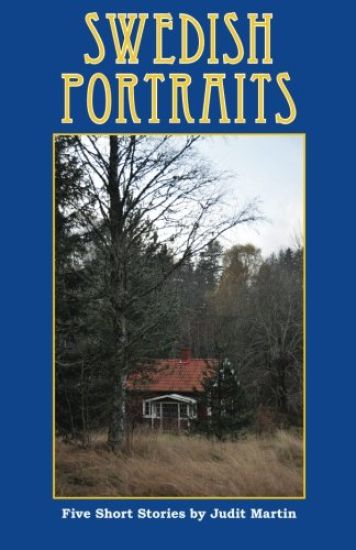
Judit Martin’s novel Augusta’s Daughter tells the powerful and fascinating story of nineteenth century Swedish peasant life. The novel is based on historical fact and illuminates a bygone era where the lives of the people were dictated by the church, societal expectations, and their superiors. The story explores many challenges faced by the peasantry of the era, such as starvation, religious demands, and hypocrisy within the church, societal rankings, and illegitimacy. Elsa -Carolina is the star of the novel, and through her, readers can connect with the hardships of the times, particularly the struggles faced by women, then considered to be the inferior sex. Elsa -Carolina is forced to deal with the consequences of having been born a bastard child, thrown to the mercy of her parish for an offense for which she is not at fault. Following the disappearance of her mother, Augusta, Elsa spends several years in varying foster homes, employed as a measly housemaid and shunned for being a "parish urchin", an orphan auctioned off by the church to whomever is willing to take her in. After some time in the horrid poorhouse, Elsa begins to study at the rectory in preparation for her confirmation. When Elsa is raped at the age of fifteen by a Reverend of the church, she is forced to pay the price of her impending illegitimate child, despite the conditions of the child’s conception. Like so many victims before her, Elsa-Carolina, an unwed mother, is deemed to be a whore, bowing her head to her peers who spit on the ground in her presence, while her assailant lives without guilt or accusation, free to victimize others as he wishes. Augusta’s Daughter reveals the hypocrisy and unfairness of the all-powerful church as its holy servants lived grandly while their parishioners starved. After a long winter of near starvation and some time living in the crowded city of Stockholm, Elsa- is finally able to immigrate to America in search of a new and better life. Her story and struggle, preserved by her great granddaughter, touches the hearts of Swedes with similar backgrounds. Elsa-Carolina and her great-granddaughter visit Sweden and reconnect with the daughter Elsa-Carolina bore and the daughter’s 20th century family. In addition to the compelling story written by Judit Martin, a photograph of a historical Swedish peasant cottage is included in the book, adding further authenticity to the story and its historical relevance.