Kirjojen hintavertailu. Mukana 11 244 527 kirjaa ja 12 kauppaa.

Kirjahaku

Etsi kirjoja tekijän nimen, kirjan nimen tai ISBN:n perusteella.

9 kirjaa tekijältä Judith A. Green

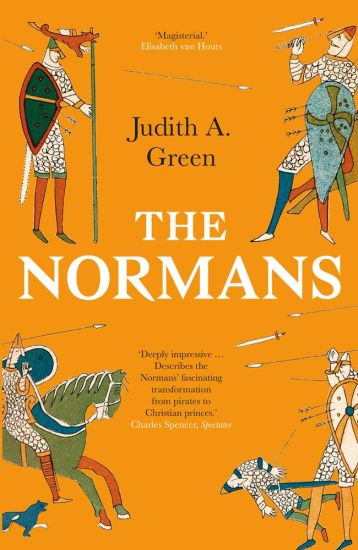
The Normans

The Normans

Judith A. Green

YALE UNIVERSITY PRESS
2023
pokkari
A bold new history of the rise and expansion of the Norman Dynasty across Europe from Byzantium to England In the eleventh century the climate was improving, population was growing, and people were on the move. The Norman dynasty ranged across Europe, led by men who achieved lasting fame, such as William the Conqueror and Robert Guiscard. These figures cultivated an image of unstoppable Norman success, and their victories make for a great story. But how much of it is true? In this insightful history, Judith Green challenges old certainties and explores the reality of Norman life across the continent. There were many soldiers of fortune, but their successes were down to timing, good luck, and ruthless leadership. Green shows the Normans’ profound impact, from drastic change in England to laying the foundations for unification in Sicily to their contribution to the First Crusade. Going beyond the familiar, she looks at personal dynastic relationships and the important part women played in what at first sight seems a resolutely masculine world.
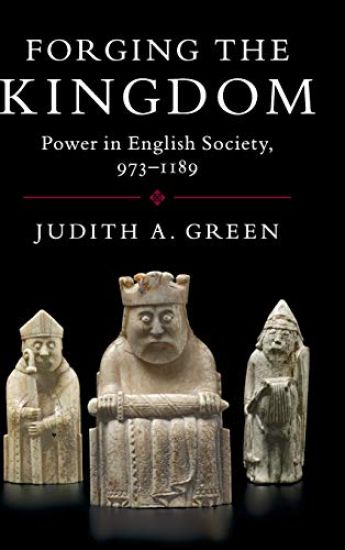
Forging the Kingdom

Forging the Kingdom

Judith A. Green

Cambridge University Press
2017
pokkari
Between the imperial coronation of Edgar in 973 and the death of Henry II in 1189, English society was transformed. This lively and wide-ranging study explores social and political change in England across this period, and examines the reasons for such developments, as well as the many continuities. By putting the events of 1066 firmly in the middle of her account, Judith Green casts new light on the significance of the Norman Conquest. She analyses the changing ways that kings, lords and churchmen exercised power, especially through the building of massive stone cathedrals and numerous castles, and highlights the importance of London as the capital city. The book also explores themes such as changes in warfare, the decline of slavery and the integration of the North and South West, as well as concepts such as state, nationalism and patriarchy.
Forging the Kingdom

Forging the Kingdom

Judith A. Green

Cambridge University Press
2017
sidottu
Between the imperial coronation of Edgar in 973 and the death of Henry II in 1189, English society was transformed. This lively and wide-ranging study explores social and political change in England across this period, and examines the reasons for such developments, as well as the many continuities. By putting the events of 1066 firmly in the middle of her account, Judith Green casts new light on the significance of the Norman Conquest. She analyses the changing ways that kings, lords and churchmen exercised power, especially through the building of massive stone cathedrals and numerous castles, and highlights the importance of London as the capital city. The book also explores themes such as changes in warfare, the decline of slavery and the integration of the North and South West, as well as concepts such as state, nationalism and patriarchy.
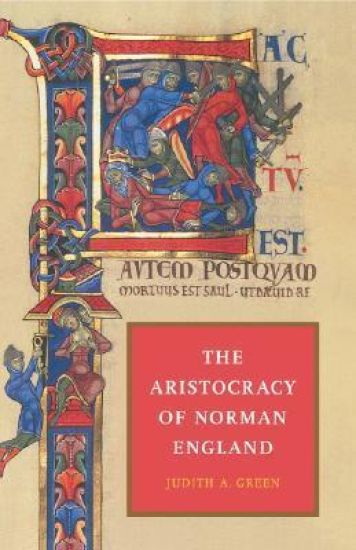
The Aristocracy of Norman England

The Aristocracy of Norman England

Judith A. Green

Cambridge University Press
1997
sidottu
This book provides the first rounded account of the new ruling elite of England in the century after 1066. It deals with the revolution in landholding by which the old English aristocracy was swept aside, and the nature of aristocratic power, as demonstrated by the control of castles and knights, and lordship over men and land. The book stresses the vitality of aristocratic power throughout the period, particularly during the civil war under King Stephen. The part played by kinship and family in building up and extending influence are emphasised, and a separate chapter is devoted to the crucial role played by women in the transmission of land. The role of aristocratic benefactors in the wave of generosity which brought great wealth to the church is also examined and, finally, the extent to which the newcomers identified themselves with the country they had conquered.
The Government of England under Henry I

The Government of England under Henry I

Judith A. Green

Cambridge University Press
1989
pokkari
This is the first full-length analysis of the machinery and men of government under Henry I, which looks in much greater detail than is possible for other contemporary states at the way government worked and at the careers of royal servants. The early twelfth century was a major period of growth in English government apart from the royal household. Royal justice was vigorously administered, setting precedents for the later development of common law. At the local level the powerful sheriffs were kept under control, though aristocratic influence over the office survived. Government provided new opportunities in administration, and it is possible to identify a number of men who were effectively professional administrators. The book will therefore become essential reading on the reign of Henry I and on the general development of English government in the twelfth century.
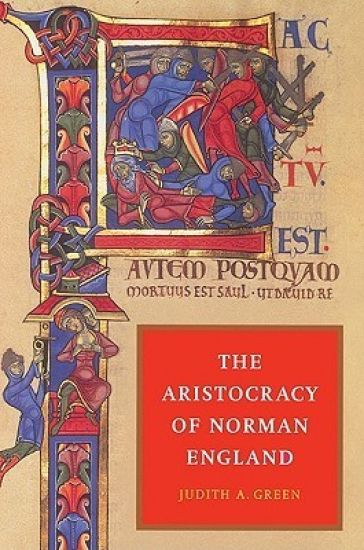
The Aristocracy of Norman England

The Aristocracy of Norman England

Judith A. Green

Cambridge University Press
2002
pokkari
This book provides the first rounded account of the new ruling elite of England in the century after 1066. It deals with the revolution in landholding by which the old English aristocracy was swept aside, and the nature of aristocratic power, as demonstrated by the control of castles and knights, and lordship over men and land. The book stresses the vitality of aristocratic power throughout the period, particularly during the civil war under King Stephen. The part played by kinship and family in building up and extending influence are emphasised, and a separate chapter is devoted to the crucial role played by women in the transmission of land. The role of aristocratic benefactors in the wave of generosity which brought great wealth to the church is also examined and, finally, the extent to which the newcomers identified themselves with the country they had conquered.
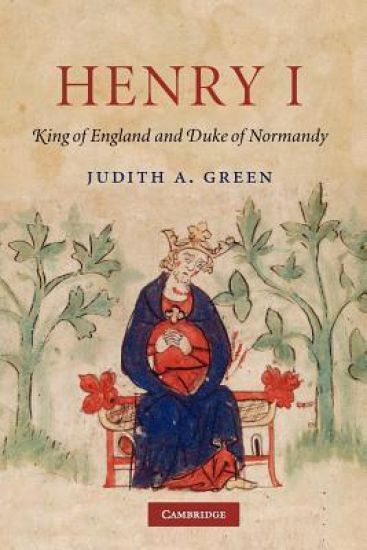
Henry I

Henry I

Judith A. Green

Cambridge University Press
2006
sidottu
This first comprehensive biography of Henry I, the youngest son of William the Conqueror and an elusive figure for historians, offers a rich and compelling account of his tumultuous life and reign. Judith Green argues that although Henry's primary concern was defence of his inheritance this did not preclude expansion where circumstances were propitious, notably into Welsh territory. His skilful dealings with the Scots permitted consolidation of Norman rule in the northern counties of England, while in Normandy every sinew was strained to defend frontiers through political alliances and stone castles. Green argues that although Henry's own outlook was essentially traditional, the legacy of this fascinating and ruthless personality included some fundamentally important developments in governance. She also sheds light on Henry's court, suggesting that it made an important contribution to the flowering of court culture throughout twelfth-century Europe.
Henry I

Henry I

Judith A. Green

Cambridge University Press
2009
pokkari
This first comprehensive biography of Henry I, the youngest son of William the Conqueror and an elusive figure for historians, offers a rich and compelling account of his tumultuous life and reign. Judith Green argues that although Henry's primary concern was defence of his inheritance this did not preclude expansion where circumstances were propitious, notably into Welsh territory. His skilful dealings with the Scots permitted consolidation of Norman rule in the northern counties of England, while in Normandy every sinew was strained to defend frontiers through political alliances and stone castles. Green argues that although Henry's own outlook was essentially traditional, the legacy of this fascinating and ruthless personality included some fundamentally important developments in governance. She also sheds light on Henry's court, suggesting that it made an important contribution to the flowering of court culture throughout twelfth-century Europe.
Creating the Therapeutic Relationship in Counselling and Psychotherapy
At the centre of good counselling and psychotherapy practice is the relationship between therapist and client. This book is an essential guide for counselling and psychotherapy students who want to explore the personal qualities and attitudes of the therapist, and to allow the client to engage in the therapeutic process with trust. The book will consider how students of counselling can develop these qualities and enhance their awareness of their attitudes, to enable them to be fully present and emotionally available in their encounters with clients.